India Fortifies Exam Integrity Amidst "Cockroach" Uprising, Passing Landmark Anti-Leak Bill
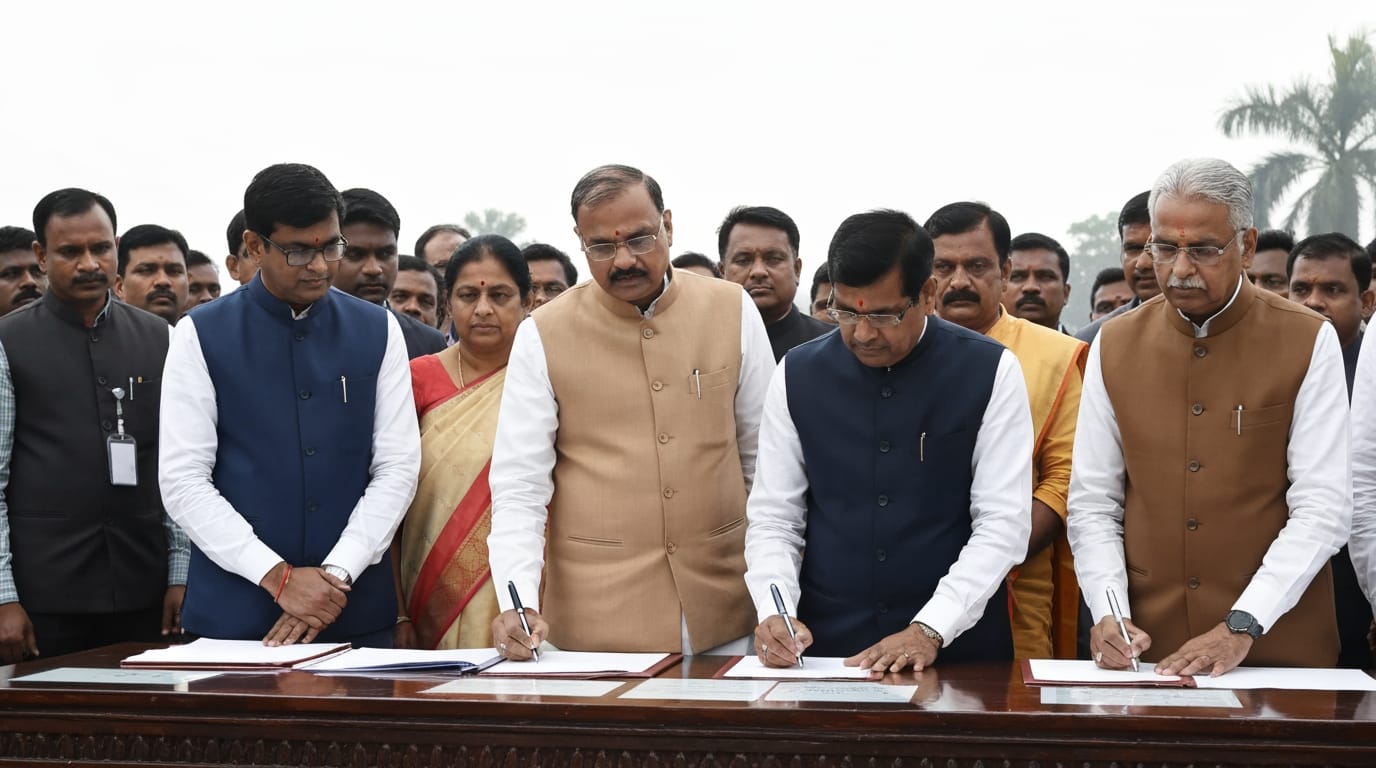
NEW DELHI, India — In a direct response to widespread national outrage and unprecedented youth-led protests, India's Parliament has overwhelmingly endorsed a fortified anti-exam leak law, seeking to stamp out the pervasive corruption that has plagued the nation's competitive examination system for years. The Public Examinations (Prevention of Unfair Means) Amendment Bill, 2026, passed by both the Lok Sabha and Rajya Sabha this week, significantly toughens penalties for those involved in paper leaks and other malpractices, a move that comes on the heels of intense "Cockroach" protests demanding accountability and systemic reform. The legislative action underscores a governmental acknowledgment of the deep-seated crisis threatening the academic and career aspirations of millions of Indian youth, many of whom have felt their futures jeopardized by a cycle of repeated examination compromises.
The Crisis of Integrity: India's Persistent Exam Leaks
For years, India has grappled with a persistent and deeply damaging problem of examination paper leaks, a phenomenon that has consistently undermined the integrity of its highly competitive public and entrance examinations. This issue, often driven by organized criminal networks and corrupt officials, has transformed the crucial gateway to higher education and government jobs into a breeding ground for illicit activities. The stakes are extraordinarily high in India, where millions of students vie for a limited number of coveted positions, making competitive exams the primary, and often sole, path to upward social mobility. When these papers are leaked, it not only creates an unfair advantage for a select few but also devastates the morale and mental well-being of diligent students who prepare for years.
The financial and psychological toll of these leaks is immense. Families often spend significant portions of their savings on coaching and study materials, only for exams to be cancelled or invalidated due to leaks. This leads to profound stress, anxiety, and depression among students, with activists linking such incidents to an increase in student suicides. Economically, re-examinations drain public funds and delay academic timelines, further exacerbating the problem. The recurrent nature of these incidents, with over 90 documented instances of leaks and irregularities in the past two decades, including at least 15 involving central agencies, has severely eroded public trust in the education system and fostered a pervasive sense of cynicism towards merit-based opportunities. A recent and significant flashpoint was the National Eligibility cum Entrance Test (NEET) 2026 undergraduate medical entrance examination, held on May 3, 2026, for over 2.27 million candidates. Allegations of a paper leak led to its cancellation on May 12, sparking national outrage and igniting the latest wave of protests.
The Roar of the "Cockroaches": A Youth Movement Takes Stand
The widespread indignation over the NEET 2026 leak, coupled with a history of similar incidents, served as the primary catalyst for an unprecedented youth-led protest movement. This movement gained its distinctive name, "Cockroaches," after India's chief justice reportedly compared unemployed young people to "cockroaches" during a court hearing. Far from being insulted, students defiantly adopted the label, turning a derogatory remark into a symbol of collective resistance and solidarity.
Spearheaded by the rapidly growing online movement known as the "Cockroach Janata Party" (CJP), these protests quickly transcended online platforms to manifest in massive street demonstrations across major cities like Delhi, Mumbai, Jodhpur, Bhopal, and Kolkata. The CJP, a satirical take on the ruling BJP, amassed millions of followers on social media, becoming a potent voice for disillusioned youth. Protesters demanded immediate action, including the resignation of then-Education Minister Dharmendra Pradhan, increased penalties for those involved in leaks, and comprehensive systemic reforms. The sheer scale and intensity of these demonstrations, widely regarded as the most significant youth-led challenge to Prime Minister Narendra Modi's government since 2014, eventually led to Minister Pradhan's resignation on July 25, 2026. Despite initial offers of "fast-track courts" from the Prime Minister, which were rejected by protesters as insufficient, the sustained pressure from the "Cockroach" movement played a critical role in pushing for more stringent legislative measures.
Legislative Response: The Public Examinations (Prevention of Unfair Means) Act and its Amendment
In the wake of the "Cockroach" protests and the resignation of the Education Minister, the Indian government moved swiftly to strengthen its legal framework against examination malpractices. The Public Examinations (Prevention of Unfair Means) Act, 2024, which had come into force on June 21, 2024, already stipulated severe penalties for various forms of unfair means. This included imprisonment ranging from three to ten years for individuals and fines up to ₹1 crore for organized crimes, with service providers also facing significant penalties and a four-year ban from conducting exams.
However, the recent public outcry prompted the introduction of the Public Examinations (Prevention of Unfair Means) Amendment Bill, 2026. Introduced in the Lok Sabha on July 27, 2026, and subsequently passed by both houses of Parliament by July 30, 2026, this amendment significantly enhances the provisions of the existing law. The amended legislation doubles the maximum jail term for those involved in leaking exam papers to ten years and raises the maximum fine for individuals to ₹50 lakh. For organized crime, which involves an unlawful act committed by a group for wrongful gain, the punishment now includes imprisonment between seven and ten years, with a minimum fine of ₹10 crore. Service providers implicated in such malpractices face fines of up to ₹5 crore and can be barred from conducting public examinations for eight years. The new law also mandates the establishment of Special Fast Track Courts in every state and union territory to ensure expeditious disposal of cases, with investigations to be completed within two months and trials within three months of chargesheet filing. These stringent measures aim to deter potential offenders and restore faith in the sanctity of public examinations.
Navigating the Future: Challenges and Expectations
The passage of the Public Examinations (Prevention of Unfair Means) Amendment Bill, 2026, marks a significant legislative step by the Indian government in its fight against exam fraud. Proponents argue that the enhanced penalties and expedited legal processes will serve as a strong deterrent against paper leak syndicates and their facilitators. Prime Minister Modi has publicly stated his commitment to not sparing those who "play with the future of children," emphasizing a zero-tolerance approach.
However, the effectiveness of stricter legislation alone remains a subject of debate among experts and within the protesting student community. Many voices express skepticism, highlighting that the 2024 Act, despite its provisions, did not prevent recent high-profile leaks like NEET 2026, and no convictions have been reported under its previous framework. Critics argue that while penalties are necessary, they do not address the fundamental systemic weaknesses that allow leaks to occur in the first place, such as vulnerabilities in the examination supply chain, limited institutional capacity, and the powerful incentives for corruption. The "Cockroach" movement, for instance, had largely rejected the government's initial fast-track court proposal, demanding comprehensive educational reform and accountability from higher levels of government. Opposition leaders have also questioned the government's handling of the crisis, pointing to the repeated disruptions and the mental anguish caused to students.
Moving forward, the government is reportedly exploring broader reforms, including potentially expanding the law to cover state-level examinations and considering a shift to computer-based testing, which could reduce physical vulnerabilities to leaks. The establishment of a high-powered task force, headed by Infosys co-founder Nandan Nilekani, to address gaps in the education system signals a recognition that a multi-faceted approach extending beyond punitive measures may be required.
Conclusion
The enactment of the Public Examinations (Prevention of Unfair Means) Amendment Bill, 2026, represents a pivotal moment for India's education system. Driven by the resonant voices of the "Cockroach" protests and the undeniable urgency of the situation, lawmakers have taken decisive action to combat a crisis that has undermined trust and shattered dreams. While the enhanced legal framework provides a stronger punitive arm, the true test will lie in its rigorous and impartial implementation, coupled with a concerted effort to address the underlying systemic frailties that have allowed exam leaks to flourish. The aspiration of ensuring a fair, transparent, and credible examination system for every student will require not just stricter laws, but a sustained commitment to reform and a restoration of faith in the promise of merit.