India's "Cockroach" Protests Intensify as Opposition Demands Accountability Amidst Crackdown
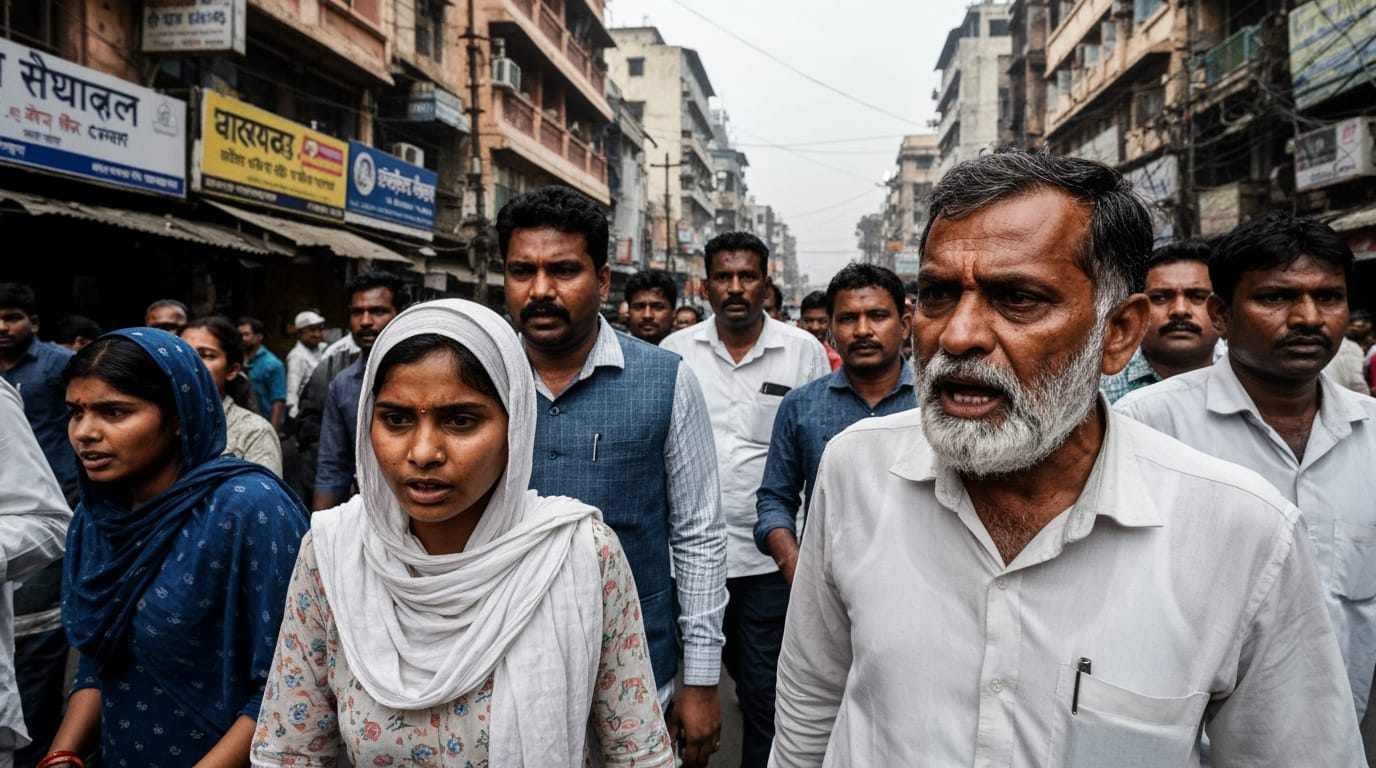
NEW DELHI – A youth-led movement, born from an insult and galvanized by allegations of systemic corruption in India's education sector, has escalated into a significant nationwide challenge for Prime Minister Narendra Modi's government, drawing strong condemnation and direct involvement from the political opposition. Tens of thousands of protesters, identifying as the "Cockroach Janta Party" (CJP), have clashed with police in the capital, New Delhi, demanding the resignation of Education Minister Dharmendra Pradhan and sweeping reforms, prompting opposition leaders to join the fray and accuse the government of suppressing dissent.
The Unlikely Birth of a Movement
The "Cockroach Janta Party" (CJP) emerged unexpectedly in May 2026, sparked by controversial remarks from Chief Justice Surya Kant, who reportedly characterized unemployed young people and activists as "cockroaches" and "parasites" during a Supreme Court hearing. This derogatory comparison ignited outrage among India's vast youth population. Seizing the moment, political communications strategist Abhijeet Dipke founded the CJP online on May 16, 2026, transforming the insult into a badge of satirical defiance. The movement's online presence exploded, quickly amassing millions of followers on platforms like Instagram, even surpassing the official accounts of the ruling Bharatiya Janata Party (BJP) and the opposition Indian National Congress within weeks.
Initially a satirical online phenomenon, the CJP swiftly transitioned into a powerful on-the-ground force, channeling deep-seated frustrations over alleged examination paper leaks and perceived governmental failures. The primary catalyst for the protests has been the repeated allegations of irregularities in high-stakes entrance exams, notably the National Eligibility cum Entrance Test (NEET) for medical colleges and issues with CBSE On-Screen Marking. These exams are critical gateways to higher education and employment, and their compromise has shattered the aspirations of countless students. Protesters demand not only the resignation of Education Minister Dharmendra Pradhan but also comprehensive reforms to the examination system and financial compensation for the families of students who, reportedly, have died by suicide due to the immense pressure and disappointment linked to these alleged leaks. Beyond examination integrity, the CJP has become a broader voice for youth discontent, addressing issues like pervasive unemployment, corruption, and a perceived lack of accountability within government institutions.
Escalation and Confrontation on the Streets of Delhi
The movement's transition from online satire to tangible street protests began in June 2026, with demonstrations occurring in various cities. The situation dramatically intensified on Monday, July 20, 2026, when tens of thousands of CJP supporters attempted to march towards India's Parliament in New Delhi. Despite police bans on public gatherings, extensive barricading, and localized internet shutdowns, protesters converged in large numbers, eager to make their voices heard.
The peaceful demonstration quickly devolved into chaotic scenes as police, under central government control, used batons and tear gas to disperse the crowds attempting to breach security barricades. Reports indicate that dozens of protesters and even some security personnel sustained injuries during the clashes. Footage circulating on social media showed police beating demonstrators and dragging them away, further fueling public outrage. Eyewitnesses described unprovoked attacks, with some reporting injuries to women and children. Amidst the crackdown, many protesters, demonstrating remarkable resolve, continued their march in smaller groups towards Parliament. The historical site of Jantar Mantar has emerged as a focal point for the protests, with hundreds remaining camped there in defiance.
A key figure in galvanizing the protests has been activist Sonam Wangchuk, who undertook a three-week hunger strike in solidarity with the students. His forced hospitalization by police over the weekend prior to the major Monday protest added significant momentum and public sympathy to the CJP's cause.
Opposition Seizes Momentum
The government's heavy-handed response to the CJP protests has drawn sharp criticism and provided a significant opportunity for India's political opposition to intensify pressure on the ruling BJP. On Tuesday, July 21, 2026, a day after the major clashes, opposition leader Rahul Gandhi of the Congress party, along with dozens of his lawmakers, staged a sit-in protest outside Prime Minister Modi's residence. Gandhi was briefly detained by police, with footage showing him being forcefully removed and placed in a bus. His sister and senior party strategist, Priyanka Gandhi, was also briefly detained.
The Congress party has explicitly condemned the government's actions, with leaders like Priyanka Gandhi questioning the use of tear gas and batons against students. Rahul Gandhi accused the Prime Minister of "destroying the future of India's youth" and called on "every patriotic Indian" to join the movement for justice. This direct involvement marks a dramatic escalation, transforming the youth-led protest into a broader political confrontation. The opposition is strategically leveraging the CJP's popular appeal to highlight issues of governance, accountability, and the perceived suppression of democratic rights under the Modi administration.
Initially, the government had largely dismissed the CJP protests, with Education Minister Dharmendra Pradhan controversially labeling the demonstrators as the "b-team of terrorists". However, the overwhelming turnout and the intensity of the July 20th clashes appear to have prompted a shift in approach. A senior government minister reportedly held talks with CJP spokespeople, though movement leaders expressed dissatisfaction, demanding action over mere assurances, including Pradhan's immediate resignation. The Modi government had also previously attempted to block the CJP's social media accounts on national security grounds, a move that proved unsuccessful and only amplified the movement's visibility. Prime Minister Modi himself has yet to comment directly on the protests.
A Generation's Frustration and Broader Implications
The "Cockroach" movement represents more than just a protest against exam irregularities; it is a powerful articulation of a generation's accumulated frustrations with a system perceived as failing them. India, with its massive youth demographic, faces persistent challenges of unemployment and underemployment, even amidst economic growth. The alleged corruption within the examination system strikes at the heart of social mobility and meritocracy, eroding trust in government institutions and fueling widespread discontent. The movement's ability to mobilize such large numbers, especially young people, poses a unique challenge to Prime Minister Modi's government, which has been in power for 12 years and often faces criticism for its handling of dissent.
The international community is also closely observing the developments. Global media outlets have provided extensive coverage, raising questions about India's democratic governance, human rights, and internal stability. The forceful suppression of protests and the detention of activists, including Sonam Wangchuk and opposition leaders, risk impacting India's carefully cultivated image as a stable democratic power on the world stage. The protests highlight a growing chasm between the aspirations of India's youth and the realities they face, suggesting a deeper societal and political crisis that the government will struggle to ignore.
As the CJP protesters vow to continue their sit-in at Jantar Mantar and opposition parties pledge sustained pressure, the "Cockroach" movement stands as a stark reminder of the potent force of youth activism and the enduring quest for accountability and justice. How the Modi government navigates this escalating challenge will undoubtedly shape India's political landscape for years to come, determining whether the voices of its "cockroaches" are ultimately heard or further suppressed.