International Health Agencies Mobilize to Contain Hantavirus Outbreak Following Cruise Ship Incident
An unprecedented international public health operation is underway as global health authorities coordinate the repatriation and isolation of passengers and crew from a cruise ship affected by a deadly Hantavirus outbreak. The incident, centered on the MV Hondius, has prompted swift action from organizations including the World Health Organization (WHO), the European Centre for Disease Prevention and Control (ECDC), and the U.S. Centers for Disease Control and Prevention (CDC), highlighting the complexities of managing infectious disease risks in an interconnected world. The focus remains on containing the Andes virus, a specific strain of Hantavirus capable of human-to-human transmission, as individuals return to their home countries.
The Outbreak Unfolds at Sea
The alarm was first raised on May 2, 2026, when a cluster of passengers aboard the Dutch-flagged MV Hondius was reported to the WHO, presenting with severe respiratory illness. By May 4, seven cases had been identified, including two laboratory-confirmed Hantavirus infections and five suspected cases. Tragically, the outbreak has claimed three lives, with one patient remaining critically ill and three others experiencing milder symptoms. The onset of illness among those affected ranged from April 6 to April 28, 2026, characterized by fever, gastrointestinal issues, and a rapid progression to pneumonia, acute respiratory distress syndrome, and shock. This rapid and severe presentation underscored the urgent need for a coordinated international response to prevent further spread as the vessel made its way towards port.
Andes Virus: A Unique and Critical Threat
Hantaviruses are typically known as zoonotic pathogens, meaning they are primarily transmitted to humans from animals, most commonly rodents, through contact with their urine, feces, or saliva. However, the Hantavirus implicated in the MV Hondius outbreak is the Andes virus, a strain predominantly found in South America that presents a unique challenge: it is the only Hantavirus known to be capable of human-to-human transmission. While this form of transmission is considered rare and typically requires close or prolonged contact—such as direct physical contact, sharing utensils, or spending extended time in enclosed spaces—its potential implications for public health are significant.
The disease caused by the Andes virus is Hantavirus Pulmonary Syndrome (HPS), a severe and potentially deadly respiratory illness. HPS can have a high mortality rate, with some strains causing death in up to 50% of cases. The current outbreak has exhibited a fatality rate of 38% among individuals who developed respiratory symptoms. Despite the concern over human-to-human transmission, public health experts emphasize that the Andes virus does not spread easily between people, unlike more ubiquitous respiratory viruses such as COVID-19. Furthermore, the specific rodent hosts that carry the Andes virus are native to South America and are not found in Europe, minimizing the risk of the virus establishing a presence in local rodent populations outside its endemic region.
Global Coordination for Containment
In response to the outbreak, an intricate web of international and national health agencies has mobilized to implement robust containment strategies. The ECDC, WHO, and involved countries have collaborated to establish scientific guidance for managing returning passengers, which is being adapted and implemented based on each nation's specific public health needs. The CDC is working in concert with the U.S. State Department and international partners to ensure the safe repatriation of American citizens onboard.
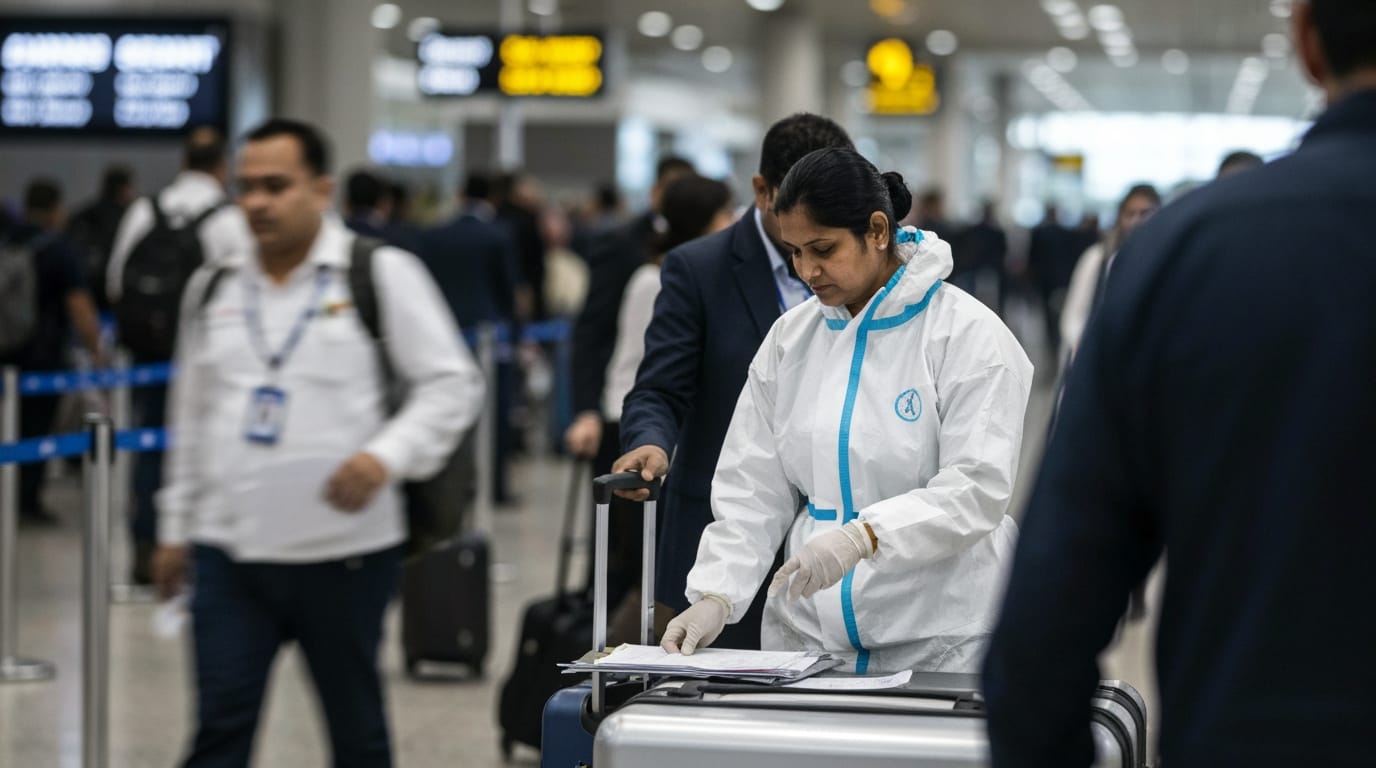
Repatriation efforts are meticulously planned to minimize any risk of wider transmission. Passengers are being transferred from the ship to airports via specific routes and dedicated vehicles, operating under strict infection prevention and control measures to ensure no contact with the general population during transit. Commercial flights are being avoided, with specially arranged transport facilitating their return for self-quarantine or medical assessment in their home countries. For symptomatic passengers, medical assessment and testing are prioritized upon arrival, with options for isolation in Tenerife or medical repatriation. Even if initial tests are negative, quarantine and monitoring measures may extend for up to six weeks as a precautionary measure.
Upon arrival in their home countries, returning passengers are subject to varying, yet stringent, isolation protocols. The WHO recommends a 42-day quarantine period with active follow-up, including daily symptom checks. This extended isolation can be conducted in a staffed facility or through home isolation. The United Kingdom's Health Security Agency (UKHSA) has stated that British nationals without symptoms will be repatriated and provided support for isolation with regular testing and healthcare contact. Australia and France have also outlined robust plans, with Australia transporting passengers to facilities designed for high-consequence infectious diseases, and France immediately placing evacuees in strict isolation. Contact tracing is an ongoing effort to identify and monitor anyone who may have been exposed.
Beyond passenger management, measures are also being implemented on the MV Hondius itself. The ship is slated for inspection for rodents, thorough disinfection, and the application of appropriate rodent control measures. Crew members are mandated to ensure adequate environmental cleaning, explicitly avoiding dry sweeping, and maintaining proper ventilation throughout the vessel.
Protecting Public Health: Assessment and Vigilance
Despite the severity of the illness for those infected, public health authorities maintain that the overall risk to the general public and routine travelers remains extremely low. This assessment is based on the limited nature of human-to-human transmission for the Andes virus, which requires close and prolonged contact, and the absence of its natural rodent reservoir in many parts of the world where passengers are returning. The CDC has confirmed that, as of now, no cases of Andes virus resulting from this outbreak have been reported in the United States, and routine travel can continue as normal.
There is currently no specific treatment for Hantavirus infection; therefore, medical management focuses on supportive care, including rest, hydration, and symptom management. Early medical intervention is crucial, as patients often require breathing support, such as intubation, if severe respiratory distress develops. Public health awareness campaigns are emphasizing the importance of early detection and timely treatment, alongside preventative measures such as rodent control and vigilance, especially in areas where Hantavirus is endemic.
The careful, multi-national approach to managing the MV Hondius Hantavirus outbreak serves as a critical example of international cooperation in public health. While the situation is serious for those directly affected, the concerted efforts to implement strict containment protocols, monitor returning individuals, and educate the public aim to ensure that this isolated incident does not pose a broader threat, reinforcing the importance of preparedness in an era of global travel.