Iran Navigates Fragile Peace on the Brink of Economic Collapse
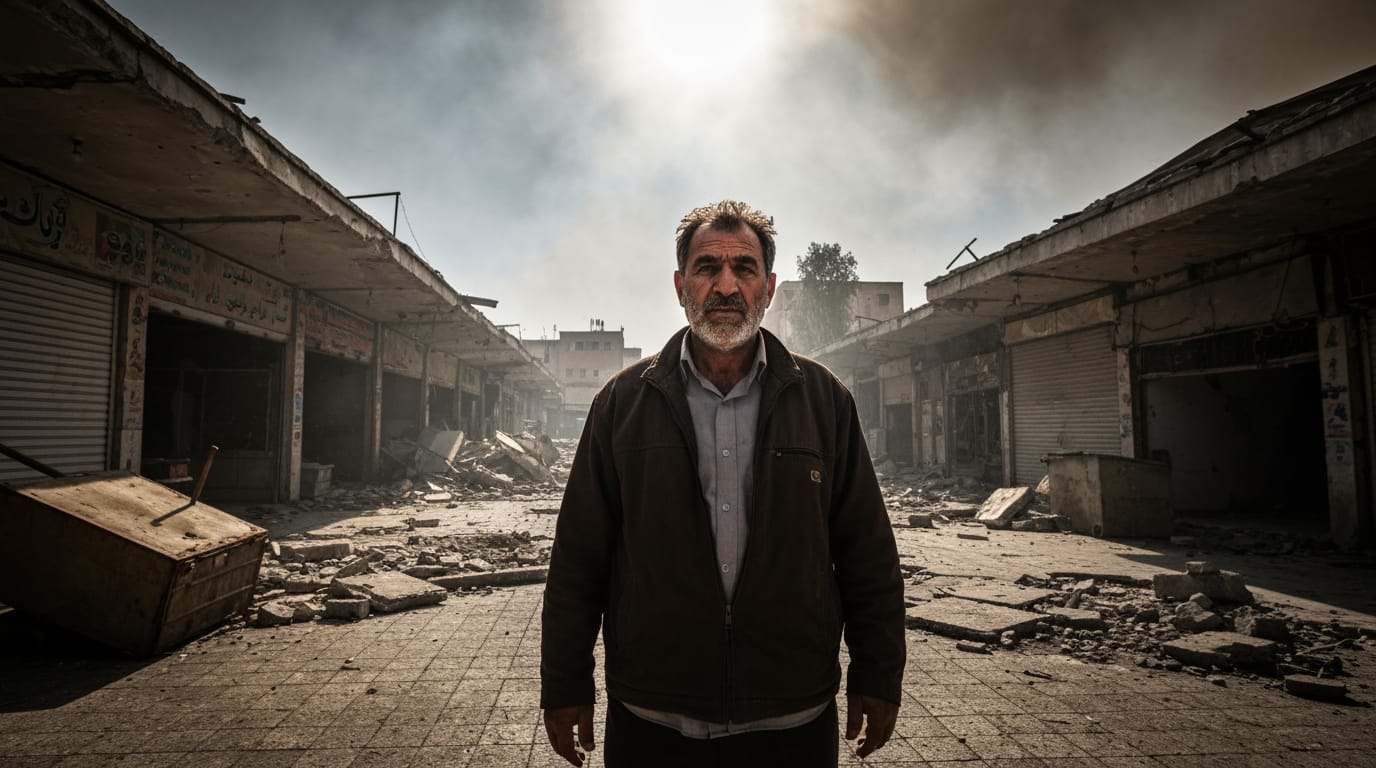
Tehran, Iran – June 24, 2026 – Iran finds itself precariously poised between a nascent, fragile peace and an economy teetering on the precipice of collapse. Despite recent diplomatic breakthroughs, including a new memorandum of understanding to de-escalate tensions with the United States following a brief but impactful conflict, the nation's severe economic crisis continues to grip its populace, raising profound questions about the long-term stability of both its domestic landscape and its regional standing. This period of uncertain détente arrives as hyperinflation, a devalued currency, and pervasive unemployment have pushed millions of Iranians into poverty, illustrating a stark dichotomy between external political maneuvering and internal economic hardship.
The Economic Abyss: A Nation Under Strain
Iran's economy has been in a severe downturn for several years, a condition exacerbated by international sanctions and, more recently, the destructive impact of a "Twelve-Day War" in June 2025. Reports indicate a persistent state of hyperinflation, with rates exceeding 40% through 2023 and reaching 32.46% in 2024. By October and December 2025, inflation reportedly surged to 48.6% and 42.2% respectively, with projections suggesting it could hit 55% by the close of the third quarter of 2026. Such figures translate directly into a catastrophic loss of purchasing power for ordinary citizens, for whom basic necessities have become increasingly unaffordable.
The national currency, the Iranian Rial, has undergone a drastic devaluation, plummeting to unprecedented lows against the U.S. dollar. From approximately 42,000 rials per dollar, it reportedly breached the 1.45 million mark by December 31, 2025, signifying a loss of over 90% of its value since 2018. This currency freefall has profoundly impacted household budgets and business operations, creating an environment of extreme economic uncertainty.
Unemployment figures, while officially stated at 8.15% in 2024 and projected to reach 8.30% in 2025, are widely believed to underestimate the true scope of joblessness. Critics point to flaws in data collection methodologies, suggesting that the actual rates, particularly among university graduates (who comprise over 40% of the unemployed), are significantly higher. This pervasive lack of employment opportunities, especially for educated youth, fuels widespread discontent and limits prospects for future economic recovery.
The human cost of this economic contraction is severe. More than 40% of the Iranian population is estimated to live below the absolute poverty line, a figure that escalates to over 50% in the capital and could potentially exceed 60% nationwide. In 2024, a staggering 57% of Iranians reportedly experienced some level of malnourishment, and staples like meat have become luxury items, inaccessible to many. This dire situation underscores the profound social and economic pressures facing the nation.
The Stranglehold of Sanctions and Internal Fault Lines
A primary driver of Iran's economic woes remains the intricate web of international sanctions, predominantly imposed by the United States. Following the U.S. withdrawal from the Joint Comprehensive Plan of Action (JCPOA) in 2018, sanctions crippled Iran's oil exports, which saw a drop of over 60% and resulted in billions of dollars in lost annual revenue. These measures effectively isolated Iran from the global financial system, significantly curtailing foreign investment and hindering its ability to engage in international trade. While sanctions have not led to a total collapse, they have fostered a "shadow economy" largely reliant on smuggling, with China emerging as a critical partner for oil trade outside conventional channels. The "snapback" mechanism, which reimposed pre-2015 nuclear sanctions in September 2025, further compounded this isolation.
Beyond external pressures, domestic mismanagement, rampant corruption, and the pervasive influence of military organizations within economic sectors have further exacerbated the crisis. The government's reliance on printing money to finance its budget deficits directly fuels the hyperinflation that erodes citizens' savings. Economists point to a lack of meaningful reforms and a deeply entrenched system that stifles private sector growth and deters much-needed investment, leading to significant capital flight.
Diplomatic Shifts Amidst Regional Turmoil
Against this backdrop of economic fragility, Iran has engaged in significant diplomatic maneuvers. A landmark development was the China-brokered peace accord in March 2023, which restored diplomatic relations between Iran and Saudi Arabia after years of intense rivalry. This rapprochement signaled a potential shift towards regional stability and economic cooperation, with Saudi Arabia even expressing readiness to invest in Iran. For China, this détente offers benefits such as securing oil imports and fostering stable environments for its investments in the region. However, this reconciliation remains fragile, with underlying tensions and conflicting objectives still prevalent.
More recently, a "Twelve-Day War" with Israel in June 2025 inflicted substantial damage on Iran's energy infrastructure and depleted its foreign exchange reserves. This conflict also saw the closure of the strategically vital Strait of Hormuz, causing massive disruptions to global oil and gas supplies. The ensuing global economic fallout, including soaring energy prices and disrupted supply chains, underscored the critical need for de-escalation.
In an effort to halt the conflict and reopen the Strait of Hormuz, a memorandum of understanding (MOU) was signed between the U.S. and Iran, mediated by Pakistan, last week. As part of this initial agreement, the U.S. agreed to temporarily waive sanctions on Iran for 60 days, allowing for renewed oil sales. Ongoing talks between U.S. and Iranian officials in Switzerland this week aim to formalize this interim peace. While this recent diplomatic step offers a glimmer of hope, particularly for stabilizing global energy markets and easing inflationary pressures, its long-term impact hinges on consistent policy follow-through and stable diplomatic conditions. The status of Iran's nuclear program remains a key contentious issue, especially following the expiration of the JCPOA in October 2025 and recent damages to Iranian nuclear facilities.
An Uncertain Path Forward
Iran’s path forward is fraught with challenges. The interplay between its deeply distressed economy, the enduring impact of international sanctions, and the precariousness of its recent diplomatic overtures creates a complex and uncertain outlook. The Central Bank of Iran has estimated that a full economic rehabilitation could take at least 12 years, assuming an end to hostilities. However, the ongoing domestic discontent fueled by economic hardship, coupled with the unpredictable dynamics of regional and international relations, suggests that a rapid or easy recovery is unlikely.
The current "fragile peace" represents a temporary reprieve rather than a definitive resolution. While a de-escalation of conflict offers a crucial opportunity, it does not, by itself, address the systemic economic issues that have brought Iran to its current breaking point. The ability of the Iranian leadership to navigate these multifaceted crises, balance internal pressures with external demands, and deliver tangible improvements in living standards for its citizens will determine the nation's trajectory in the coming years.


