Iranian Court Affirms Prison Sentence for Acclaimed Filmmaker Jafar Panahi
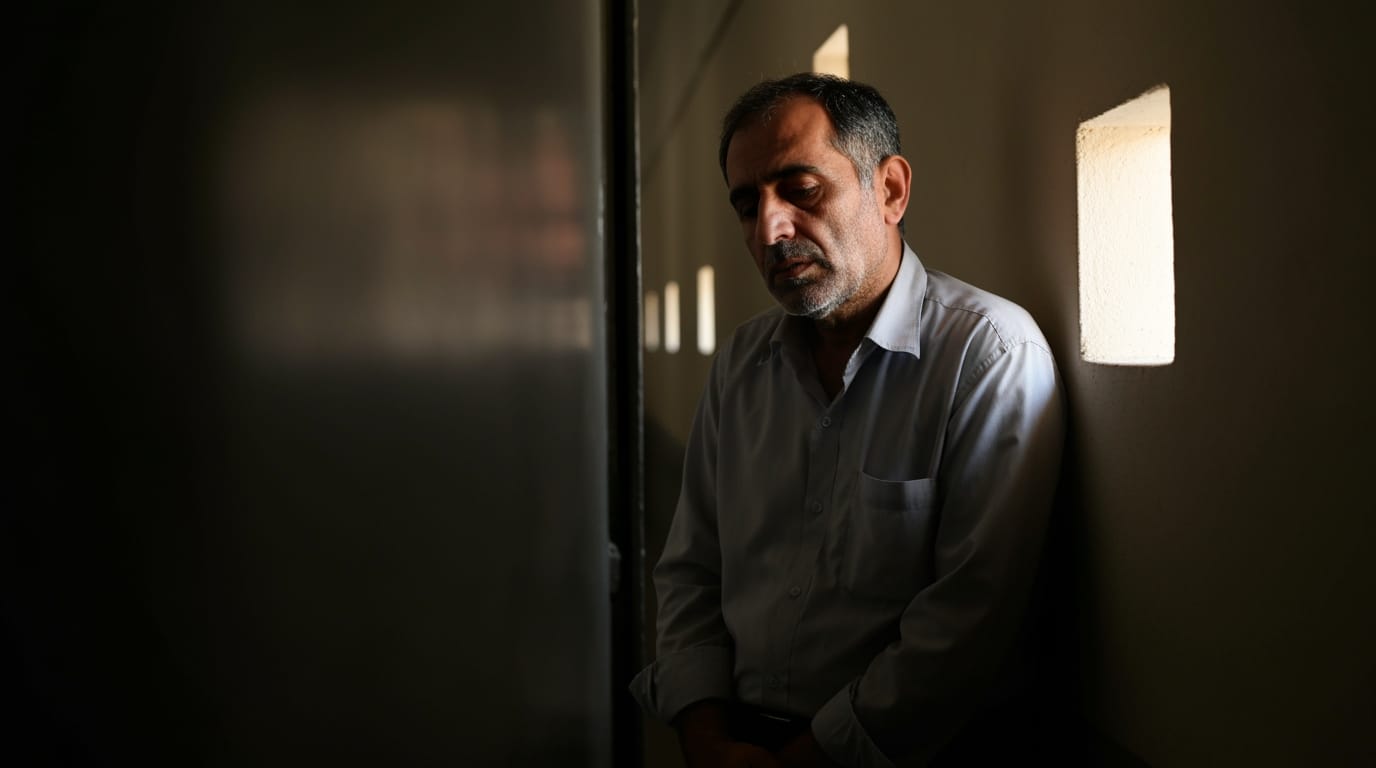
TEHRAN — An Iranian Revolutionary Court has upheld a one-year prison sentence against internationally acclaimed filmmaker Jafar Panahi, marking the latest chapter in the director's decades-long struggle with authorities over his cinematic work. The ruling, announced June 7, 2026, by Tehran's Revolutionary Court, rejected Panahi's appeal against a prior conviction, signaling a deepening crackdown on artistic expression within the country. The verdict also includes a two-year ban on travel and prohibits Panahi from engaging with any political or social groups, according to his lawyer, Mostafa Nili.
The confirmation of the sentence arrives amidst a period of significant international recognition for Panahi, whose latest film, "It Was Just an Accident," garnered the prestigious Palme d'Or at the Cannes Film Festival in May 2025 and subsequently received two Academy Award nominations. Panahi's legal team has indicated that they have 20 days to file a fresh appeal with the Tehran Provincial Court of Appeal. The charges against the Oscar-nominated director stem from "propaganda activities against the system" and his alleged support for protests, particularly the 2022 feminist movement, with the initial verdict having been issued in absentia while he was abroad promoting his film.
A History of Artistic Defiance and State Repression
Jafar Panahi's career has been intrinsically linked to a persistent conflict with Iranian authorities, who view his critical portrayal of Iranian society as subversive. His legal troubles began formally in 2010 when he was sentenced to six years in prison and a sweeping 20-year ban on filmmaking, scriptwriting, travel outside Iran, and speaking with the media. The charges at that time included "propaganda against the Islamic Republic" and "colluding against national security." Panahi served three months of that sentence before being released on bail.
Despite these severe restrictions, Panahi continued to create films, often resorting to semi-clandestine production methods that ingeniously navigated the bans. Works like "This Is Not a Film" (2011), "Closed Curtain" (2013), and "Taxi" (2015) were critically acclaimed internationally, frequently reflecting metacinematically on his limitations as an artist under state surveillance. His resilience earned him numerous accolades, including the Sakharov Prize for Freedom of Thought by the European Parliament in 2012, and top prizes at the Venice and Berlin film festivals, solidifying his status as a global cinematic icon.
The ban on his travel was partially lifted in April 2023, allowing him to attend the Cannes Film Festival. However, his legal entanglements intensified again in July 2022, when he was arrested after visiting Tehran's Evin prison to inquire about the detention of fellow filmmakers Mohammad Rasoulof and Mostafa Al-Ahmad. Shortly after this arrest, Iranian authorities reactivated his original 2010 six-year sentence, leading him to spend seven months in Evin prison before his release on bail in early 2023, partly following a hunger strike.
"It Was Just an Accident": Art as an Act of Resistance
The film at the heart of Panahi's latest conviction, "It Was Just an Accident," has become a symbol of his unwavering artistic spirit in the face of state censorship. The political thriller, which he shot secretly within Iran without official government permission, depicts five former political prisoners contemplating revenge against a man they believe to be their past torturer.
"It Was Just an Accident" premiered to international acclaim, winning the Palme d'Or at Cannes in May 2025. Its subsequent nomination for two Academy Awards — Best International Feature and Best Original Screenplay — further elevated its profile and, by extension, brought renewed attention to Panahi's plight. French Foreign Minister Jean-Noel Barrot notably called the film a "gesture of resistance against the Iranian regime's oppression." Despite the looming legal risks, Panahi chose to return to Iran after his promotional activities abroad, a decision his lawyer indicated reflected his enduring commitment to his homeland.
Broader Implications for Artistic Freedom in Iran
Panahi's case is not an isolated incident but rather indicative of a broader and sustained campaign by Iranian authorities to suppress independent artistic expression and dissent. The Iranian government has a long history of employing censorship, surveillance, work bans, and punitive measures, including arrests and prosecutions, against artists, writers, and journalists.
In late 2025 and early 2026, a severe crackdown on nationwide protests led to the arrests and reported killings of numerous artists and cultural workers, highlighting the perilous environment for creatives in Iran. Organizations like the Artists at Risk Connection (ARC) have condemned these actions, noting that the regime employs "systematic attacks" on artists who are seen as instrumental in turning social movements into "cultural uprisings." The Ministry of Culture and Islamic Guidance has been particularly effective in silencing artists through various bureaucratic means and physical surveillance. Panahi himself has long been a vocal critic of the Islamic Republic's human rights record, a stance that authorities interpret as portraying a "distorted and negative image" of Iranian society.
An Uncertain Future Amidst International Scrutiny
The confirmation of Jafar Panahi's prison sentence has reignited international concerns regarding human rights and freedom of expression in Iran. Human rights organizations and film communities worldwide have consistently condemned the persecution of Panahi and other artists, viewing such actions as an attempt to stifle critical voices and creative thought.
While Panahi's legal team prepares for another appeal, the ruling underscores the precarious position of artists who dare to challenge the state's narrative in Iran. His continued defiance, despite repeated imprisonment and prohibitions, serves as a powerful testament to the enduring spirit of artistic resistance. The international community watches closely, advocating for the release of Panahi and for greater respect for fundamental freedoms within Iran. The outcome of his final appeal will undoubtedly send a strong message regarding the future of independent artistic expression in the Islamic Republic.