Iranian Nobel Laureate Sentenced to Over Seven More Years in Prison Amid Escalating Crackdown
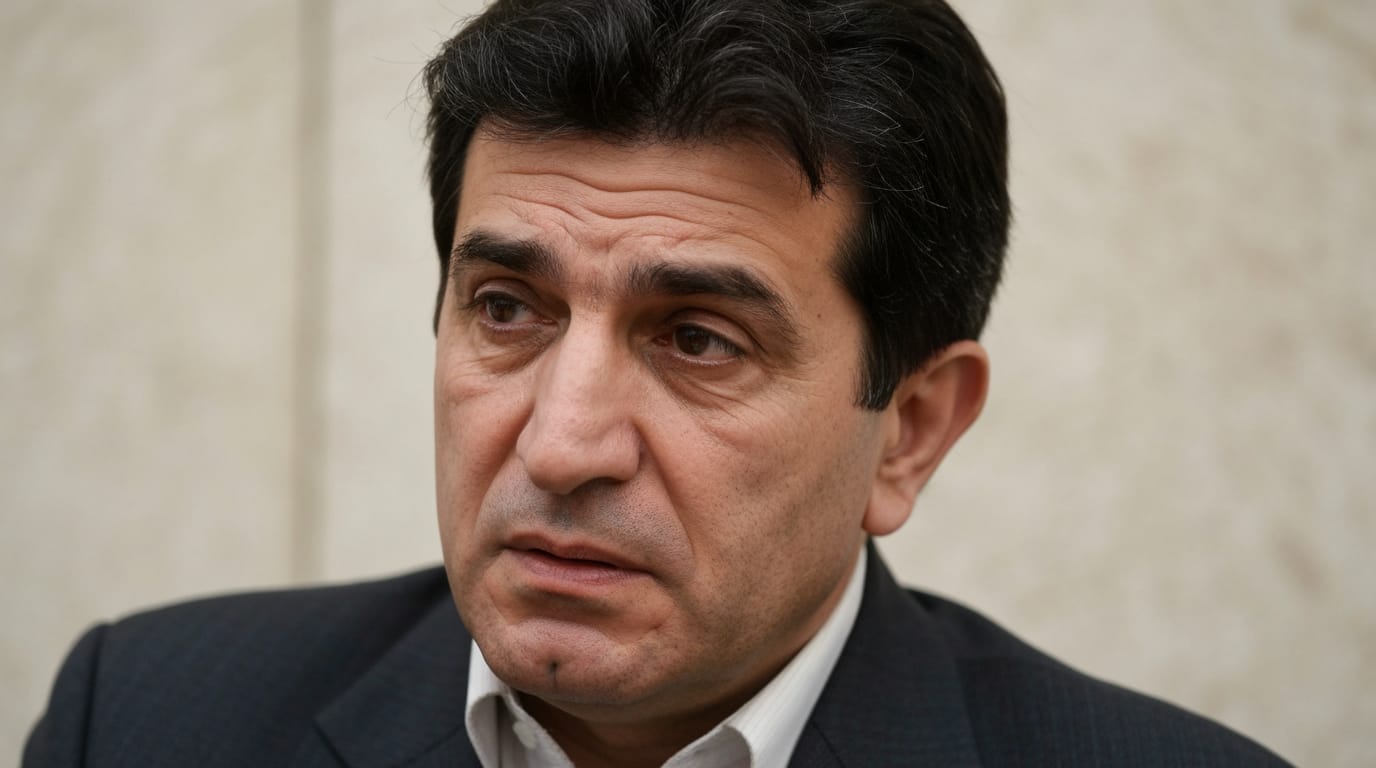
TEHRAN, Iran – Narges Mohammadi, the revered Iranian human rights advocate and recipient of the 2023 Nobel Peace Prize, has been sentenced to an additional seven years and six months in prison, along with a two-year travel ban and two years of internal exile. The new convictions, handed down by a Revolutionary Court in the city of Mashhad, deepen the plight of the imprisoned activist who has spent decades challenging the Iranian government's human rights record, particularly its oppression of women and its use of the death penalty. The sentencing comes as Mohammadi's supporters report she has been on a hunger strike since early February, drawing renewed international attention to the Islamic Republic's intensified crackdown on dissent.
This latest judicial action against Mohammadi, 53, arrives at a sensitive moment for Iran, which continues to face international scrutiny over its human rights practices and its ongoing nuclear program negotiations with the United States. While Iran has not officially acknowledged the new sentence, Mohammadi's lawyer, Mostafa Nili, confirmed the verdict via social media, detailing the charges as "gathering and collusion" and "propaganda against the system." Her unwavering commitment to advocacy, even from behind prison walls, has made her a potent symbol for activists both within Iran and globally, further highlighting the severe personal costs borne by those who challenge the state.
The Latest Verdict: Intensified Punishments for a Persistent Voice
The new sentence, reportedly issued on Saturday, February 7, 2026, by a Revolutionary Court in Mashhad, adds significantly to Mohammadi's already extensive prison terms. She was convicted on charges of "gathering and collusion," which resulted in a six-year prison sentence, and "propaganda against the system," incurring an additional one and a half years. Beyond the increased incarceration, the court imposed a two-year travel ban and a two-year internal exile to Khosf, a city approximately 740 kilometers (460 miles) southeast of Tehran. This measure of internal exile is often used by Iranian authorities to further isolate dissidents from their support networks and communities. Mohammadi's supporters say she commenced a hunger strike on February 2, preceding the announcement of this latest sentencing. Her recent arrest in December occurred at a ceremony honoring Khosrow Alikordi, a 46-year-old Iranian lawyer and human rights advocate based in Mashhad.
This latest judicial blow follows a pattern of escalating penalties for Mohammadi, whose activism has consistently drawn the ire of the Iranian authorities. She is currently held in Tehran's notorious Evin Prison, serving a prior 30-month sentence related to similar charges of spreading propaganda against the ruling system, disobedience in prison, and defamation of authorities. The successive rulings against her underscore a judiciary intent on silencing one of the country's most prominent dissenting voices, even as her international recognition grows.
A Nobel Laureate's Decades-Long Struggle for Human Rights
Narges Mohammadi's life has been defined by an unyielding dedication to human rights in Iran. For nearly two decades, she has been a leading figure in the struggle for women's rights, advocating against the mandatory hijab, campaigning for the abolition of the death penalty, and exposing the mistreatment of prisoners. Her tireless efforts earned her the 2023 Nobel Peace Prize, awarded "for her fight against the oppression of women in Iran and for her fight to promote human rights and freedom for all." The Norwegian Nobel Committee specifically highlighted her "brave struggle [that] has come with tremendous personal costs," a statement that resonates deeply with her repeated imprisonments.
Mohammadi's activism began in the late 1990s, and she quickly became a prominent voice for justice. She serves as the Vice President of the Defenders of Human Rights Center (DHRC), an organization co-founded by fellow Nobel Peace Prize laureate Shirin Ebadi. Throughout her career, Mohammadi has been arrested 13 times and convicted five times, accruing a total of 31 years in jail prior to this most recent sentence. Notable past sentences include a 16-year term in 2016 for "gathering and collusion against national security," "spreading propaganda against the system," and "membership of an illegal organization" – referring to Legam (a group campaigning against the death penalty). Despite brief periods of release, often for medical reasons, she has consistently been re-arrested and handed new charges, demonstrating the authorities' determination to quell her advocacy. In December 2024, she received a temporary medical furlough but was controversially returned to prison against medical advice in November 2024, following surgery to remove a suspected cancerous tumor.
A Broader Crackdown: Silencing Dissent in Iran
The repeated persecution of Narges Mohammadi is not an isolated incident but rather indicative of a wider, intensified crackdown on dissent and civil society in Iran. The Islamic Republic has demonstrated a low tolerance for any form of opposition, particularly in the aftermath of widespread protests that have swept the nation in recent years. These protests, often led by women, have been fueled by grievances over mandatory hijab laws, economic hardship, and a general demand for greater freedoms. Mohammadi herself has been a vocal proponent of mass feminist civil disobedience against the mandatory hijab and a critic of the "hijab and chastity program" of 2023.
The government's actions against Mohammadi and other activists reflect its determination to maintain control and suppress any challenge to its authority. This hard-line stance is frequently showcased even amidst delicate geopolitical negotiations. The news of Mohammadi's sentence emerged as Iran engaged in discussions with the United States regarding its nuclear program. Iran's top diplomat reportedly emphasized the country's strength stemming from its ability to "say no to the great powers," striking a maximalist position just after negotiations in Oman with the U.S. Such declarations, juxtaposed with the harsh treatment of domestic critics, highlight the complex interplay of internal and external pressures on the Iranian government.
International Outcry and the Enduring Fight for Freedom
The sentencing of Narges Mohammadi has drawn immediate and widespread condemnation from the international community. Governments, human rights organizations, and international bodies have consistently called for her unconditional release, viewing her imprisonment as a flagrant violation of fundamental human rights, particularly freedom of expression. The European Union and the Office of the U.S. Special Envoy for Iran are among those who have denounced her sentences and urged her release, often citing her deteriorating health condition as a serious concern.
Mohammadi's Nobel Peace Prize was a powerful global affirmation of her work and a stark reminder of the repressive conditions under which Iranian activists operate. The award brought unprecedented international attention to human rights violations in Iran, especially concerning the discriminatory treatment of women. Her acceptance speech, delivered by her children at the Oslo ceremony as she remained incarcerated in Evin, echoed the "Woman, Life, Freedom" slogan that has become emblematic of the protest movement. This continuous international focus exerts pressure on the Iranian government, even if it has yet to result in her release. Human rights organizations, including Amnesty International, continue to highlight Iran's concerning human rights record, including its high rates of executions.
Despite enduring relentless persecution, Narges Mohammadi remains a beacon of resistance. Her latest sentence serves as a stark illustration of the extreme measures Iranian authorities are willing to take to silence critical voices. Yet, her unwavering resolve, symbolized by her hunger strike and her continued advocacy from prison, ensures that the fight for human rights and freedom in Iran persists, resonating far beyond the confines of her cell. Her struggle continues to inspire hope and draw the world's attention to the plight of countless others facing similar repression within the Islamic Republic.


