Iran's Athletes Trade Silent Protest for Stiff Salute Amidst Intensifying National Pressure
GOLD COAST, Australia – A dramatic shift in the demeanor of Iran's women's national football team has cast a stark spotlight on the escalating political pressures facing the nation's athletes on the international stage. After an initial silent protest that resonated with global audiences, the team pivoted to a military-style salute, a move widely interpreted as a response to compelling directives from home and the volatile domestic climate. This sequence of events underscores the fraught position of Iranian sports figures, caught between expressions of solidarity with their compatriots and the formidable demands of the state.
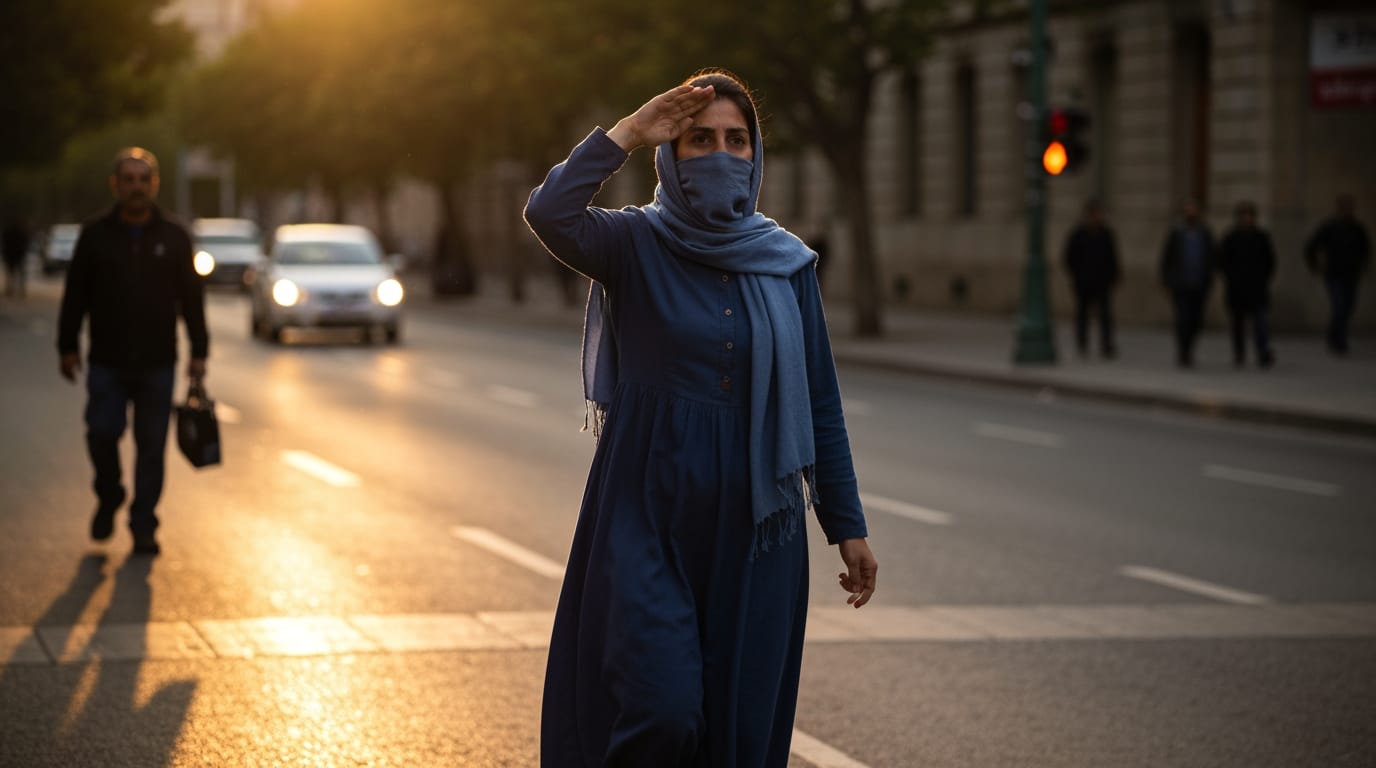
The immediate catalyst for this visible change occurred during the Women's Asian Cup. On March 3, 2026, prior to their opening match against South Korea, the Iranian women's team stood solemn and silent as their national anthem played, their faces reflecting a widely perceived act of protest or mourning. Just two days later, on March 5, before facing host nation Australia, the same players sang the anthem and performed a military salute, a stark and sudden reversal that drew immediate attention and sparked intense debate. This abrupt change in behavior is indicative of the intricate web of geopolitical tensions and internal struggles that dictate public expression for Iranians both at home and abroad.
The Echoes of Past Defiance
The women's team's initial silence was not an isolated incident but rather echoed a growing tradition of subtle yet powerful dissent among Iranian athletes. At the 2022 World Cup in Qatar, Iran's men's national football team garnered global headlines when they conspicuously refrained from singing their national anthem before their opening match against England. This act was widely understood as a show of solidarity with the widespread protests gripping Iran at the time, ignited by the death of Mahsa Amini while in police custody. The men's team, too, later sang the anthem in subsequent matches, suggesting a similar pattern of external pressure and enforced compliance.
These silent protests became one of the most visible forms of athlete defiance against the Islamic Republic in recent years, drawing international attention to the plight of Iranian citizens and the government's crackdowns on dissent. The actions of these athletes, while seemingly small gestures, carried significant symbolic weight, communicating a powerful message to a global audience and, crucially, to those within Iran struggling for greater freedoms.
The Unseen Hand: A "Message From Home"
The rapid transition from silence to salute by the women's team strongly suggests the influence of a "message from home"—a likely euphemism for intense pressure or direct directives from Iranian authorities. Anti-regime protesters in the diaspora openly speculated that the athletes were being held "hostage of the current autocracy," implying that their actions were no longer voluntary expressions but rather forced displays of loyalty. This perspective is amplified by reports suggesting that state security officials often travel with Iranian national teams, exerting a pervasive influence that can shape public behavior.
The shift also aligns with a broader push by the Iranian state to project an image of national unity and allegiance, particularly in the wake of recent geopolitical events. Following a 12-day conflict with Israel in June (2025), Iranian athletes across various sports, including volleyball, began performing military-style salutes during national anthems at international competitions. State media, including Press TV, actively promotes these salutes as demonstrations of loyalty to the armed forces and solidarity with war victims, aiming to rally a public weary from ongoing conflicts and internal strife. This concerted effort highlights the state's strategic use of sports as a platform to showcase allegiance and counter perceptions of internal division.
Athletes Caught in a Geopolitical Crossfire
The current context surrounding the women's team's actions is particularly charged. Their initial silent protest on March 3 followed recent US-Israeli strikes on Iran, which reportedly resulted in the death of Supreme Leader Ayatollah Ali Khamenei and other high-ranking officials. The Middle East remains in a state of heightened tension, with ongoing conflicts and a significant death toll within Iran reported by officials. Against this backdrop, Iranian athletes find themselves in an increasingly precarious position, navigating conflicting demands from a state that expects public displays of loyalty and an opposition that anticipates defiance.
The human element of this predicament was poignantly captured when Iranian striker Sara Didar reportedly struggled to hold back tears during a press conference, expressing collective concerns for the safety of her family amidst the turbulent Middle East landscape. Such moments reveal the profound personal cost of political maneuvering on the global sports stage, where athletes are not merely competitors but symbolic figures whose actions are scrutinized and interpreted through the lens of international and domestic politics. The potential for severe repercussions for athletes who deviate from state-approved conduct, including reports of some being placed under house arrest for past acts of defiance, adds a layer of palpable fear to their every public gesture.
Sports as a Battleground for National Identity
The saga of the Iranian athletes' anthem gestures vividly illustrates how sports have become a significant battleground in Iran's ongoing culture war. For the Iranian state, these international competitions offer a valuable opportunity to project an image of national strength and unified resolve to both internal and external audiences. The promotion of military salutes, in particular, is a clear message designed to assert control and garner support amid domestic unrest and foreign policy challenges.
Conversely, for the opposition and many Iranian diaspora communities, the actions of these athletes are viewed through a different prism. The initial silence was celebrated as a courageous act of solidarity, a subtle yet potent rejection of the current regime. The subsequent salutes, however, have been met with condemnation, with some dissident Iranians booing during the anthem at matches and expressing disappointment online, labeling the teams as "the regime's team" rather than truly national representatives. This divergence in interpretation highlights the deep societal fissures within Iran and among its expatriate communities, where symbols of national pride have become inextricably linked to political ideology.
Conclusion
The journey of Iran's women's national football team from silent protest to unified salute encapsulates the immense pressures bearing down on Iranian athletes. Their actions are not merely gestures of sportsmanship but potent political statements, carefully observed and interpreted by a nation in turmoil and a global community grappling with geopolitical complexities. Caught between the expectations of their nation's people and the coercive power of the state, these athletes embody the broader struggle for expression and identity in a country navigating profound internal and external challenges. Their salutes, therefore, are more than just formalities; they are a visible manifestation of the intricate and often painful dynamics at play when "messages from home" carry the weight of an entire nation's political fate.