Iran's New President Seeks End to War from 'Position of Strength' Amidst Unprecedented Turmoil
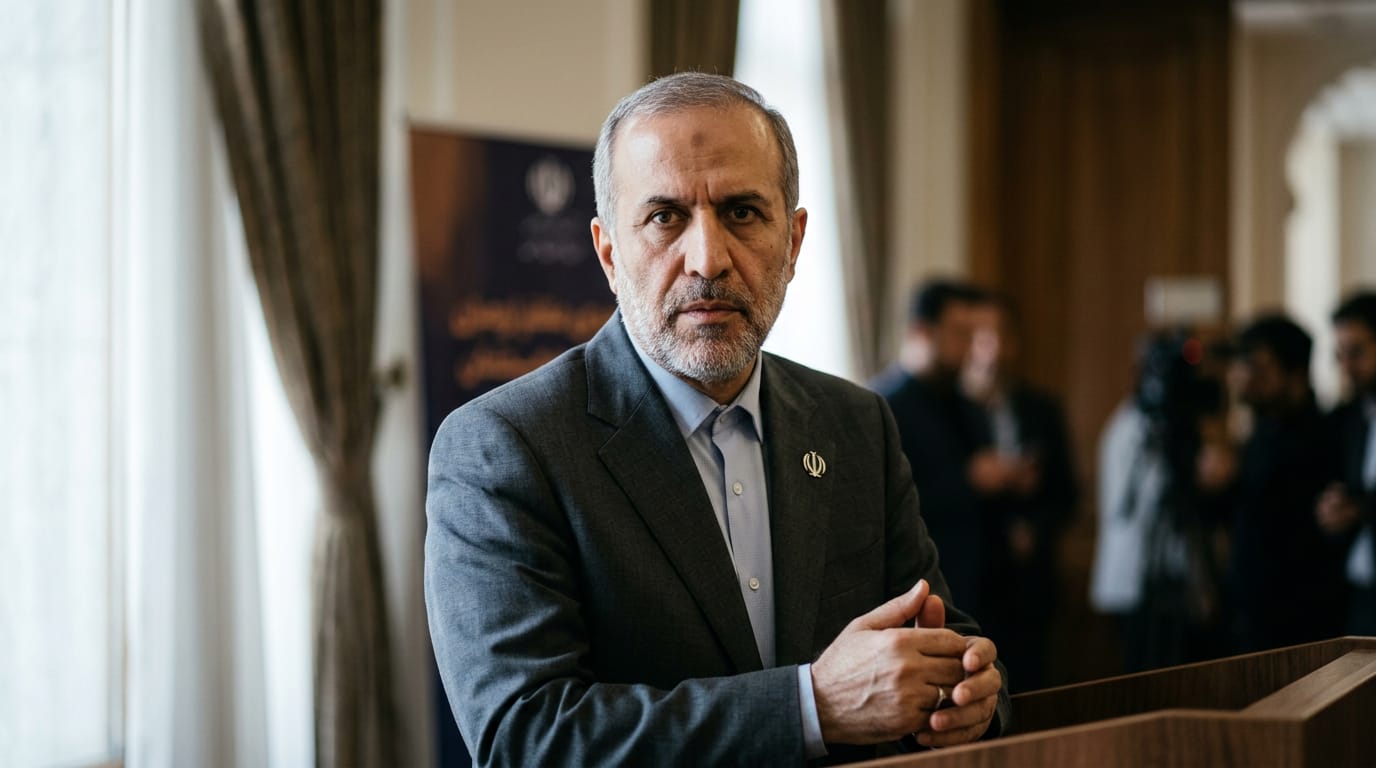
TEHRAN — As Iran grapples with an ongoing war, a severe economic crisis, and profound leadership changes, newly elected President Masoud Pezeshkian's administration has voiced its preference for a negotiated end to the conflict, emphasizing the need to do so from a "position of strength." This stance emerges at a pivotal moment, with the nation locked in military engagement with the United States and Israel since late February 2026, and reeling from the recent deaths of its Supreme Leader and former president. The call to end hostilities, while offering a glimmer of hope for de-escalation, is underscored by Iran's enduring military capabilities and its defiant posture against crippling international pressures.
A Nation at War and in Transition
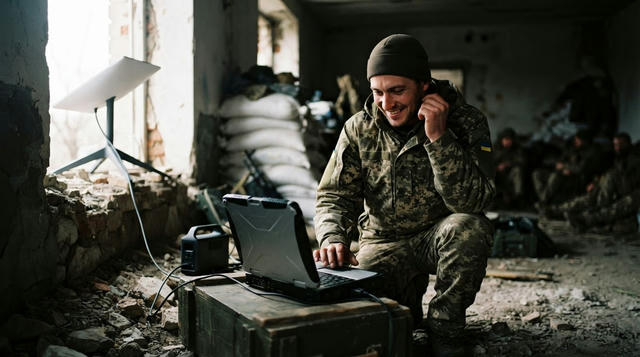
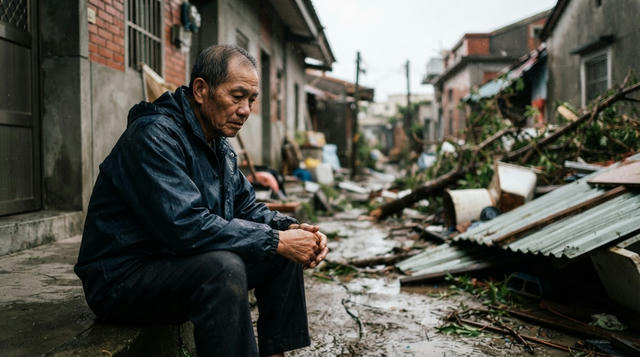
The Islamic Republic finds itself navigating an intensely volatile period. An active war with the United States and Israel commenced on February 28, 2026, leading to a U.S. naval blockade that has severely restricted Iran's access to global markets and its vital oil exports. This military confrontation has taken a heavy toll, with factories and critical infrastructure reportedly destroyed by U.S.-Israel attacks.
Compounding the external conflict are significant internal political shifts. Ayatollah Ali Khamenei, Iran's long-serving Supreme Leader, was killed in U.S.-Israel strikes on February 28, 2026, marking an unprecedented vacuum at the pinnacle of the nation's political and religious authority. This follows the death of former President Ebrahim Raisi in May 2024. Into this tumultuous landscape, Masoud Pezeshkian has assumed the presidency, inheriting a nation under immense stress. His government's declared inclination towards a "negotiated end to the war" signals a potential diplomatic avenue, but one that Iran insists must stem from a position of leverage.
The Economic Gauntlet
Iran's call for an end to war comes against a backdrop of severe economic distress. The nation has been in a serious economic crisis since January 2026, with conditions nearing collapse by December 2025. International sanctions, alongside the U.S. naval blockade, have choked Iran's economy, leading to skyrocketing inflation rates that reached over 48.6% in October 2025 and 42.2% in December 2025. Projections indicate inflation could climb to nearly 70% by the end of 2026.
The economic hardship has translated into a profound human cost. As of March 2025, between 22% and 50% of Iranians were estimated to be living below the poverty line, a significant increase from previous years. Reports from 2024 indicated that 57% of Iranians were experiencing some level of malnourishment, and approximately 50% of males between the ages of 25 and 40 are reportedly unemployed. Severe food shortages triggered nationwide protests in May 2025, followed by larger anti-regime demonstrations later in the year, highlighting acute social discontent. The Iranian rial has plummeted to historic lows, trading at approximately 1.85 to 1.92 million rials per U.S. dollar on the open market as of August 2026, further eroding purchasing power and stability. Experts note that sanctions have drastically reduced Iran's per capita income, trade, and investment, crippling businesses and hindering growth.
Military Resilience and Strategic Leverage
Despite its economic woes and the intensity of the ongoing conflict, Iran's assertion of negotiating from a "position of strength" is rooted in its formidable military capabilities and strategic assets. The nation is recognized as a significant military power, ranking as high as 16th globally in 2026 by some assessments and 30th by others. With 610,000 active troops, Iran commands one of the largest armed forces in the Middle East, boasting over a million active and reserve personnel.
Central to Iran's perceived strength is its advanced and diverse arsenal of cruise missiles, ballistic missiles, and drones, holding the largest ballistic missile inventory in the Middle East. This capability has been demonstrated through actions like attacking oil-rich neighbors and U.S. bases in the region, as well as disrupting shipping in the strategically critical Strait of Hormuz. Despite U.S. efforts, a significant portion of Iran's military infrastructure remains intact; approximately half of its ballistic missile stockpile and associated launch systems, and about 60% of the naval arm of the Islamic Revolutionary Guard Corps, were still operational as of April 2026. The country's nuclear program also remains a source of international concern, with undeclared activities reported and previous strikes on its facilities by the U.S. in June 2025, underscoring its potential to destabilize the region.
The Path Forward: Negotiation or Defiance?
President Pezeshkian's call for a negotiated end to the war highlights a complex balancing act for Iran. On one hand, the immense economic and social pressures, exacerbated by a naval blockade and intensified sanctions, create a strong imperative to de-escalate the conflict. On the other, the demand for an end from a "position of strength" suggests Iran is not prepared to concede on core security or strategic interests. The Iranian government has consistently condemned new U.S. sanctions as "economic terrorism" and a violation of international law, maintaining a defiant stance against external pressure.
Experts suggest that Iran's "resistance capacity" allows it to absorb significant economic pain without necessarily translating into the political concessions the U.S. might expect. The future trajectory of the conflict and Iran's role in the region will likely depend on the interpretation and achievement of this "position of strength"—whether it is defined by military endurance, diplomatic leverage, or a combination of both—amidst a profoundly altered domestic and geopolitical landscape.
Conclusion
The current pronouncements from Tehran signify a nation striving to navigate an extraordinary convergence of challenges. With a new president at the helm following the demise of both the Supreme Leader and his predecessor, and an economy teetering on the brink amidst an active war, Iran's strategic calculus is under intense scrutiny. The desire to conclude hostilities from a "position of strength" underscores a determination to maintain influence and security, even as its people endure severe hardships. The coming months will reveal how this complex interplay of internal pressures, military resilience, and calls for negotiation will shape Iran's destiny and the broader stability of the Middle East.