Israeli Weapons Exhibits Blocked Off at Paris Air Show Amidst Tensions
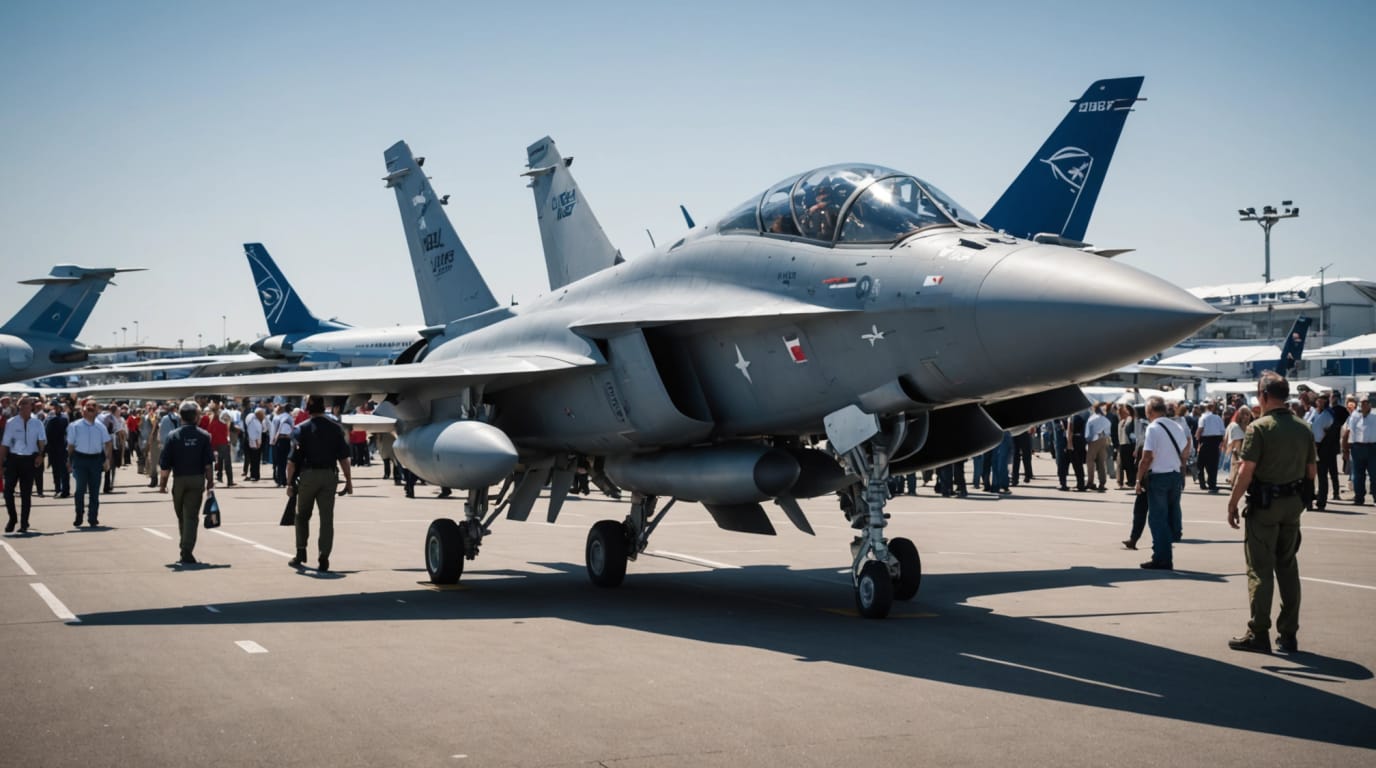
The Paris Air Show, a prestigious event in the aerospace and defense industry, became the center of a diplomatic row this week after French authorities blocked off exhibits of Israeli companies displaying what they termed "offensive weapons." The move, which took place hours before the show opened on Monday, has drawn strong condemnation from Israel, which views it as discriminatory and commercially motivated. The French government defended its decision by citing concerns over the ongoing conflict in Gaza and adherence to its policy against showcasing offensive weaponry.
Overnight Action Sparks Outrage
According to the Israeli Defense Ministry, the event organizers, acting on behalf of the French government, erected black partition walls around the Israeli company exhibits overnight Sunday at Le Bourget Airport. This action occurred after Israeli defense officials had completed setting up their booths. The ministry characterized the move as a breach of standard global practices, alleging that it was implemented after Israel refused to comply with a demand to remove certain systems from display.
Boaz Levy, the president and CEO of Israeli Aerospace Industries (IAI), expressed shock upon discovering the blocked booths Monday morning. He stated that the company had attempted to negotiate with the organizers, but the orders appeared to originate from the highest levels in Paris. Levy likened the black walls to "the dark days when Jews were segmented from European society," a statement that underscores the sensitivity and historical weight of the situation.
Conflicting Justifications Emerge
French Prime Minister Francois Bayrou addressed the controversy during a press conference at the air show, stating that the government's position was "very simple: no offensive weapons at the arms exposition." He emphasized that defensive weapons were "perfectly acceptable" and cited the ongoing conflict in Gaza as the primary reason for the ban. A French government source told AFP that the booths displayed "offensive weapons" that could be used in Gaza, which would violate agreements with Israeli authorities.
However, the Israeli Defense Ministry has presented a different perspective, accusing France of hiding behind political considerations to exclude Israeli offensive weapons that compete with French industries. The ministry called the action "ugly and improper," suggesting that commercial interests played a significant role in the decision.
Legal Challenges and Repercussions
Israel's Defense Ministry Director-General Maj.-Gen. (res.) Amir Baram called on France to retract the black walls, arguing that Israel was being singled out for discriminatory treatment, while countries like China and Turkey faced no such restrictions. He also accused France of blocking weapons that directly compete with French-made arms.
On Tuesday, a French court rejected Israel's appeal to force the French government to grant full exposure at the Paris Air Show. The court stated it lacked the authority to overturn the government's decision. This ruling further solidified the ban and heightened tensions between the two nations.
Industry Impact and International Reactions
The blocked stands included displays by major Israeli missile manufacturers such as Elbit Systems, Rafael, IAI, and drone producer Uvision. Despite the official restrictions, reports indicate that many international visitors, including heads of state and military leaders, visited the "hidden" Israeli booth to express their support and interest in Israeli defense systems.
Industry sources revealed that the sudden move disrupted eight separate contracts, involving significant logistical and financial investments in transporting teams, equipment, and constructing the booth. The announcement of the booth closures was reportedly delivered via a brief WhatsApp message to Israel's military attaché in Paris, just a day before the air show opened.
Historical Context and Future Implications
This is not the first time that tensions have arisen between France and Israel regarding defense exhibitions. In 2023, French authorities initially banned Israeli participation in the Euronaval arms show, a decision that was later overturned by a court. However, due to time constraints, Israeli firms did not exhibit at that event.
The current situation reflects a broader strain in relations between the two countries, particularly concerning the ongoing Israeli-Palestinian conflict. French President Emmanuel Macron has previously called for a halt to weapons exports to Israel over the war against Hamas in Gaza.
The incident at the Paris Air Show underscores the complex interplay of politics, security, and economics in the international arms trade. It remains to be seen how this dispute will affect future collaborations and partnerships between France and Israel in the defense sector. The decision by France has not only sparked outrage in Israel but also raised questions about the fairness and transparency of international defense exhibitions.


