Israel's Antisemitism Conference Plunged into Controversy Amidst Far-Right Invitations
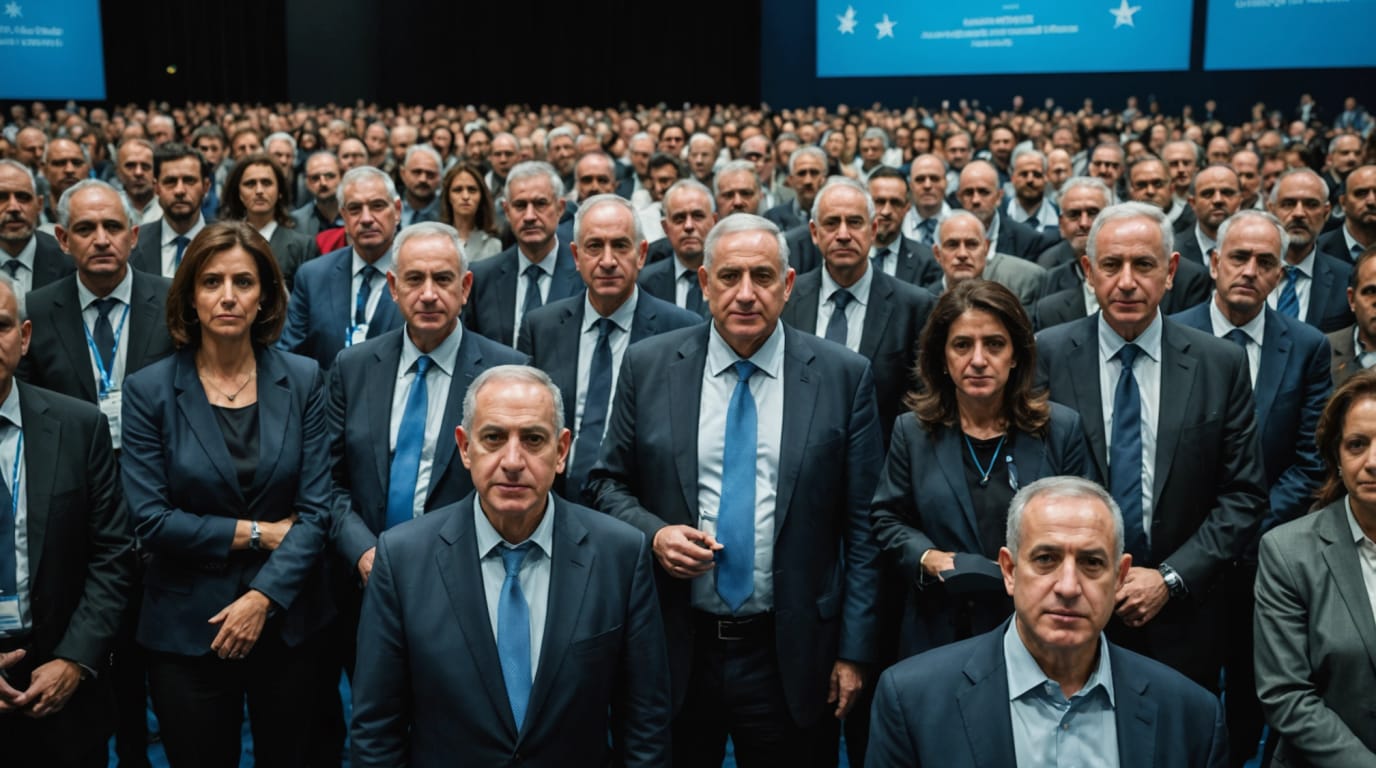
An international conference hosted by Israel to combat antisemitism has been marred by controversy after the inclusion of far-right European politicians with histories of anti-Jewish racism sparked widespread condemnation and boycotts. The "International Conference on Combating Antisemitism," organized by Israel's Diaspora Affairs Ministry, has seen numerous high-profile figures withdraw in protest, casting a shadow over the event intended to foster global unity against antisemitism.
Backlash Over Guest List
The controversy erupted following the revelation of the conference's guest list, which included prominent figures from far-right European parties. Among those invited were Jordan Bardella, president of the French National Rally party; Marion Marechal, a far-right French member of the European Parliament and granddaughter of Jean-Marie Le Pen; Hermann Tertsch, a far-right Spanish member of the European Parliament; Charlie Weimers of the Sweden Democrats party; and Kinga Gál, of Hungary's Fidesz party. These invitations drew immediate criticism due to the politicians' past associations with anti-immigrant rhetoric, Islamophobia, and, in some cases, outright antisemitism and Holocaust denial.
Critics argue that inviting these figures undermines the very purpose of the conference and provides them with a platform to legitimize their views. The inclusion of these politicians also gives them a defense against future claims of antisemitism. Some observers suggest that the invitations reflect a broader strategy by the Israeli government to court support from right-wing parties in Europe, viewing them as allies in countering Muslim fundamentalism and antisemitism on the continent.
Prominent Figures Withdraw in Protest
The backlash against the guest list led to a wave of withdrawals from the conference. Israeli President Isaac Herzog reportedly backed out of hosting the opening night, opting instead to host a separate meeting for Jewish leaders without the controversial far-right figures. British Chief Rabbi Ephraim Mirvis, French philosopher Bernard-Henri Lévy, and Germany's antisemitism czar, Felix Klein, were among the prominent figures who canceled their appearances.
Lord John Mann, the UK government's adviser on antisemitism, and British pro-Israeli activist David Hirsh also announced their withdrawal, fearing that hosting right-wing party members would give them a "Jewish stamp of approval." The Anti-Defamation League (ADL) initially planned to participate, but CEO Jonathan Greenblatt ultimately withdrew following internal pressure and widespread criticism.
Defending the Invitations
Despite the outcry, the Israeli Diaspora Affairs Ministry defended the invitations, arguing that the goal was to invite friends of Israel from across the political spectrum. Amichai Chikli, the head of the ministry, has previously defended controversial figures like Elon Musk against accusations of antisemitism. He views Europe's far-right parties as allies in countering the rise of Muslim fundamentalism and antisemitism.
Some supporters of the conference argue that individuals who claim to have changed their views on Jews deserve to be heard. Natan Sharansky, a former Israeli government minister and chair of the Jewish Agency, stated that while those who hold antisemitic views have no place at the conference, those who claim to have changed their views deserve a chance to speak.
Politicization of Antisemitism?
Critics argue that the controversy surrounding the conference highlights the growing politicization of antisemitism. They suggest that the Israeli government's embrace of far-right European parties risks undermining the fight against antisemitism by associating it with specific political agendas. Some fear that this approach could provide ammunition to those who claim that the fight against antisemitism has been politicized and used to whitewash the problematic histories and ideologies of certain political groups.
David Hirsh, academic director of the London Centre for the Study of Contemporary Antisemitism, argued that Israel should listen more attentively to the advice of local Jewish communities and avoid offering the populist right an official "Jewish stamp of approval." He warned that the controversy over the inclusion of far-right politicians has served as a distraction from the stated focus of the conference: combating antisemitism.
Implications for the Fight Against Antisemitism
The controversy surrounding Israel's antisemitism conference raises important questions about the strategies and alliances in the fight against antisemitism. The event underscores the complexities of navigating political landscapes and the potential pitfalls of aligning with groups that may harbor problematic views, even if they express support for Israel.
The incident serves as a reminder that combating antisemitism requires a nuanced approach that prioritizes genuine commitment to inclusivity and respect for all communities. It also highlights the importance of engaging in open dialogue and consultation with diverse voices, including those within Jewish communities, to ensure that efforts to combat antisemitism are effective and do not inadvertently legitimize or empower those who promote hate and discrimination.
Conclusion
The "International Conference on Combating Antisemitism" in Israel, intended to be a united front against anti-Jewish hatred, has instead become a focal point of division and controversy. The inclusion of far-right European politicians with questionable records on antisemitism has triggered widespread condemnation, leading to boycotts and raising concerns about the politicization of the fight against antisemitism. As the conference proceeds, its impact on the global effort to combat antisemitism remains uncertain, but the controversy serves as a stark reminder of the challenges and complexities involved in building broad coalitions against hate and discrimination.