Jürgen Klopp’s Germany Era Begins With Shaky 1-1 Draw Against Netherlands
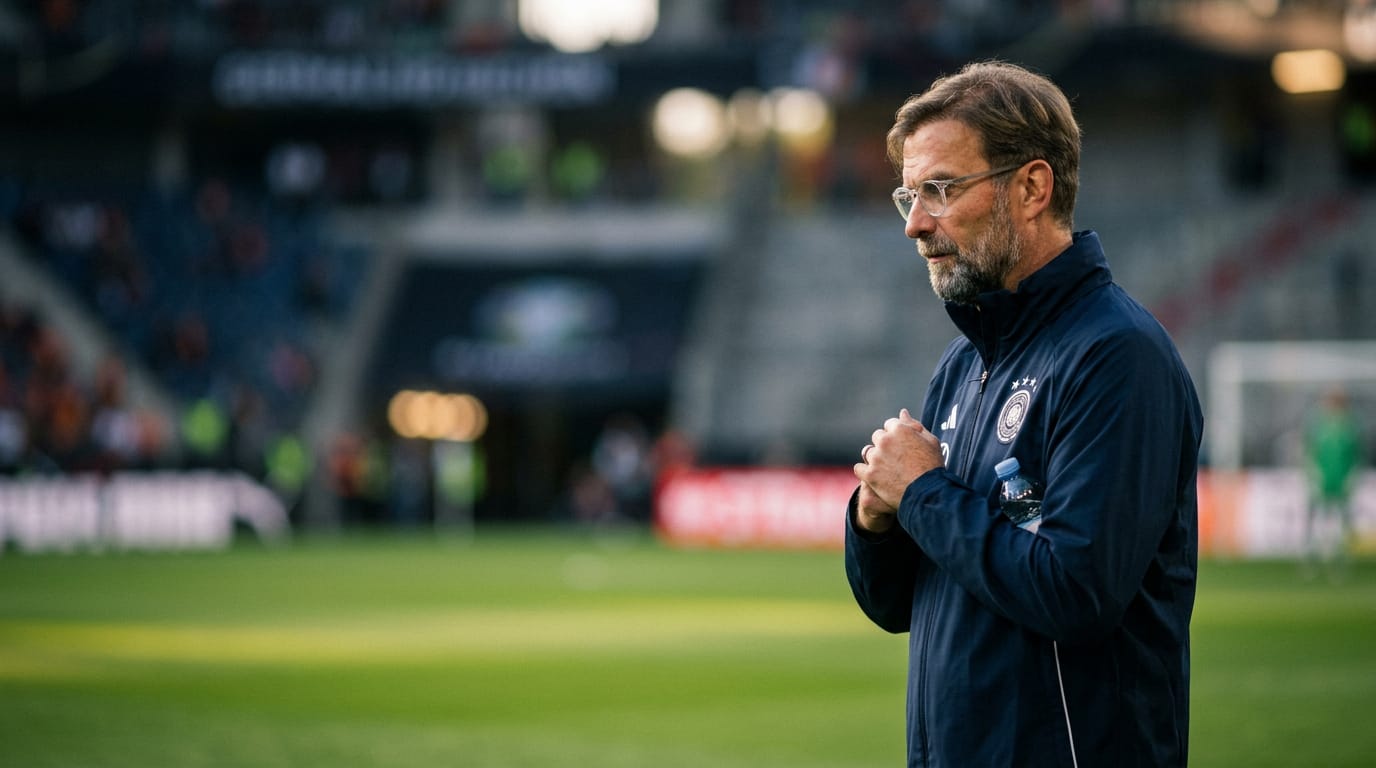
AMSTERDAM — Jürgen Klopp’s highly anticipated debut as Germany head coach began in turbulent fashion as a stoppage-time equalizer from Cody Gakpo forced a 1-1 draw against the Netherlands in the UEFA Nations League.
The opening fixture at the Johan Cruyff Arena pitted two traditional continental rivals against one another under new technical leadership. While Germany snatched the lead through Felix Nmecha in the first half, the German squad spent prolonged stretches absorbing waves of Dutch pressure before ultimately surrendering two points in the 92nd minute. The result offered early flashes of Klopp’s trademark high-pressing approach alongside clear evidence that significant rebuilding work lies ahead.
A Dramatic Encounter in Amsterdam
Germany entered the match seeking stability following an inconsistent run in major international tournaments. Under Klopp, who replaced Julian Nagelsmann after an unceremonious World Cup exit, the national side unveiled an aggressive 4-2-3-1 setup that aimed to press high up the pitch from the opening whistle.
The early phase of the match saw both sides test tactical boundaries under physical conditions. Netherlands captain Virgil van Dijk thought he had broken the deadlock in the 12th minute when he headed the ball into the net from a corner, but the goal was disallowed following a video assistant referee review that detected a foul during the buildup.
Germany’s initial game plan suffered an early setback around the half-hour mark when starting forward Kai Havertz was forced off the pitch with an injury. Yet the disruption yielded immediate dividends for the visitors. Moments after substitute Younes Ebnoutalib tested Dutch goalkeeper Bart Verbruggen, Germany capitalized on a rapid transition in the 32nd minute. Operating through dynamic flank play, Karim Adeyemi delivered an incisive ball that Nmecha clinically converted from close range to give Germany a 1-0 advantage.
The sequence generated controversy among the Dutch ranks, as defender Brian Brobbey had gone down injured at the other end just moments before the German attack unfolded. Play continued without a referee stoppage, allowing Germany to strike the opening blow and take a slender lead into the interval.
Under Siege in the Second Half
The dynamic shifted drastically after the restart, revealing substantial vulnerabilities in Germany's defensive organization. Led by their own debutant manager, former Barcelona midfielder Xavi, the Netherlands seized control of the midfield and penned the German side inside their own half.
Statistically, the contrast between the two periods proved staggering. The Netherlands generated 2.61 expected goals in the second half alone, compared to just 0.24 for Germany. Across the entire 90 minutes, the Dutch posted 22 total shot attempts with an overall expected goals figure of 3.12, crafting four clear-cut scoring opportunities. Germany managed only 10 attempts and 1.5 expected goals throughout the evening.
The Dutch dominance marked the highest expected goals tally produced against an opponent inside the top 30 of the FIFA world rankings by an Oranje side since June 2019. German goalkeeper Marc-André ter Stegen and a central defensive pairing of Jonathan Tah and Nico Schlotterbeck repelled multiple incursions, while the hosts saw an additional strike ruled out during an increasingly ill-tempered contest.
Germany struggled to generate sustained counterattacks, frequently turning over possession under heavy midfield duress. The sustained pressure finally took its toll two minutes into added time. Substitute Ruben van Bommel curled a precise delivery into the penalty box, where Gakpo met the ball with a clean volley to level the match. The goal carried a layer of personal familiarity, as Gakpo had made nearly 80 appearances and scored 23 goals under Klopp's guidance during their shared time in English club football.
Tactical Realities and Tactical Growing Pains
Klopp's arrival on the international touchline marks his first formal management role since stepping away from club management in 2024. While the former Borussia Dortmund and Liverpool boss brought an unmistakable sense of urgency to the touchline, the squad's performance demonstrated that executing a demanding pressing scheme requires conditioning and repetition that brief international windows rarely provide.
Physical wingers Kevin Schade and Adeyemi provided the pace and verticality that had been visibly lacking in Germany’s prior outings. However, the physical toll of executing coordinated pressing patterns without extensive training sessions together proved costly as the match wore on. Once Germany lost the physical edge in midfield duels, the Dutch exploited the space between the midfield and the defensive line with regularity.
The physical toll of the fixture also presented an immediate logistical headache for the coaching staff. Beyond the early withdrawal of Havertz, Germany suffered injuries to key creative personnel, complicating the lineup options as the group stage continues.
A Foundation Requiring Work
A point earned away from home against an elite European rival represents a respectable scoreline on paper. Yet the manner of the performance indicated that the gulf between Germany's current form and tournament-winning caliber remains wide.
The match highlighted structural flaws in ball retention and defensive resilience that had plagued previous regimes. For Germany to transform into genuine contenders, the national team must discover a balance between intense physical pressing and the ability to dictate tempo with possession against world-class opposition.
With additional group stage matches approaching, the inaugural draw provides a baseline assessment of the national team's capabilities and limitations. The Klopp era is officially underway, defined in its earliest hours by undeniable effort, unresolved tactical questions, and a reminder of the relentless demands of international soccer.