Japan's Takaichi Secures Historic Mandate, Poised to Reshape Foreign Policy
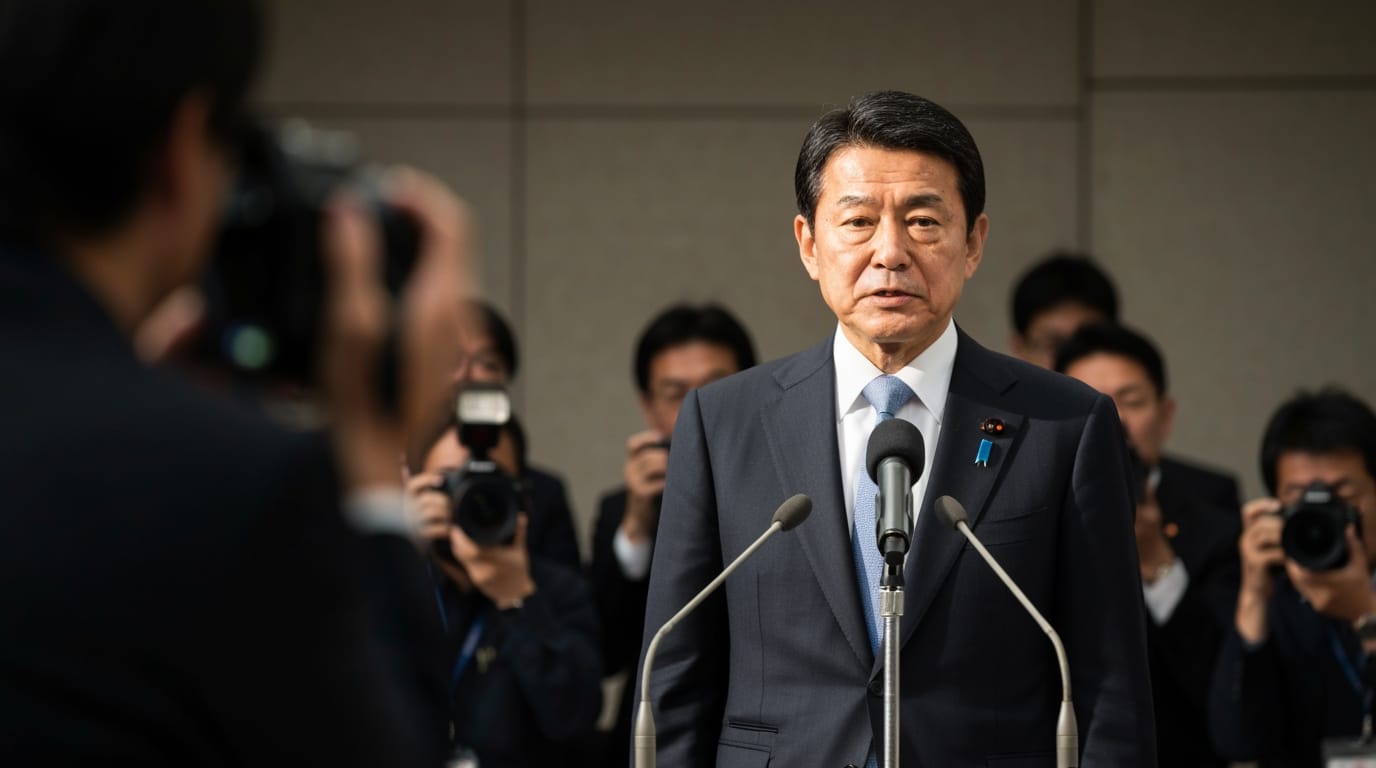
TOKYO – Japanese Prime Minister Sanae Takaichi and her Liberal Democratic Party (LDP) have achieved a historic landslide victory in the snap general election held on February 8, 2026, solidifying her position as Japan's first female leader and granting her an unprecedented mandate to pursue a robust conservative agenda. This decisive win, which saw the LDP-led coalition secure a two-thirds supermajority in the powerful Lower House, empowers Takaichi to accelerate significant shifts in Japan's economic, social, and, crucially, foreign policy, promising a more assertive and strategically focused Japan on the global stage.
A Resounding Affirmation for a New Era
The recent election results represent a profound endorsement of Prime Minister Takaichi's leadership and her "Japan First" approach, just months after she assumed the premiership in October 2025. The LDP alone clinched 316 of the 465 seats in the Lower House, comfortably surpassing the 233 seats required for an absolute majority and even the 261 needed for a simple majority. When combined with her coalition partner, the Japan Innovation Party (Ishin), the alliance garnered a commanding 352 seats, achieving a two-thirds supermajority that enables Takaichi to override potential vetoes from the Upper Chamber, which she does not control. This triumph marks the LDP's most significant electoral success since its establishment in 1955, underscoring a strong public appetite for her conservative platform. Takaichi's decision to call a snap election, capitalizing on high public approval ratings during her early tenure, proved to be a strategic masterstroke, providing her administration with the legislative strength to implement her sweeping policy initiatives without the immediate pressure of another election until 2028. Her personal popularity, particularly among younger voters, played a crucial role in transforming the LDP's fortunes, which had seen waning support and lost majorities under her predecessor amidst funding scandals and rising living costs.
Revisiting Pacifism: A Hardline Stance on Defense
At the core of Prime Minister Takaichi's agenda, significantly bolstered by this electoral victory, is a fundamental reimagining of Japan's defense and security posture. A protégé of the late Shinzo Abe, Takaichi is widely characterized as a conservative or ultraconservative leader, often drawing comparisons to Britain's "Iron Lady," Margaret Thatcher. Her administration is expected to accelerate efforts to revise Article 9 of Japan's pacifist constitution, a cornerstone of the nation's post-World War II identity that renounces the use of military force. Takaichi has explicitly pledged to revise security and defense policies by December, aiming to bolster Japan's offensive military capabilities and lift the existing ban on weapons exports. This move signals a significant departure from Japan's long-standing post-war pacifist principles, reflecting a belief that the nation has sufficiently atoned for its past and must now reclaim a more assertive global role. The government has already doubled its security spending, with Prime Minister Takaichi hastening to complete a five-year plan to increase defense expenditure to 2% of GDP by fiscal year 2027, partly in response to pressure from the United States. Furthermore, a revision of Japan's national security strategy is slated for completion by year-end, which will undoubtedly reflect Takaichi's "realism-based view of international politics and national security."
Navigating the Geopolitical Tightrope: China, Taiwan, and the US Alliance
Takaichi's strengthened foreign policy hand is expected to manifest most notably in Japan's engagement with regional powers, particularly China, and in its enduring alliance with the United States. Her administration has signaled a more hawkish approach toward China, aligning with her pro-Taiwanese foreign policy. The Prime Minister previously stirred diplomatic tensions with Beijing by suggesting that a Chinese military attack on Taiwan could constitute a "survival-threatening situation" for Tokyo. This statement marked a notable shift from Japan's previous stance of maintaining "strategic ambiguity" on the issue, and the recent election outcome grants Takaichi the political capital to further pursue such assertive diplomacy. Her victory is anticipated to significantly alter the dynamic of Japan's relationship with China.
Simultaneously, Takaichi is committed to strengthening the US-Japan alliance, seeing deep alignment with Washington, especially given the potential for a conservative US administration. Her first foreign policy priority is reported to be stabilizing relations with the United States. The prospect of a US administration that views China as a strategic adversary aligns with Takaichi's perspective, likely leading to increased cooperation on regional security and a greater Japanese responsibility for deterrence against Beijing and Pyongyang. This strategic alignment underscores Japan's evolving role from a reactive foreign policy actor to a more proactive and influential player in East Asian security.
Immigration Policy: A Domestic Imperative with International Resonance
While primarily a domestic policy issue, Prime Minister Takaichi's stringent stance on immigration carries significant foreign policy implications, reflecting her broader conservative and nationalist ideology. Her LDP leadership victory in October 2025 already signaled a harder line on foreign resident policy, emphasizing cultural protectionism. Takaichi has consistently called for more restrictive immigration measures, criticizing existing frameworks as overly lenient and advocating for a comprehensive revision of visa and residency systems. Her public statements stress the need for "orderly coexistence" and mutual respect for Japan's social norms, proposing quantitative and sector-specific quotas to control the inflow of foreign workers, alongside enhanced monitoring and stricter enforcement.
This approach raises concerns given Japan's critical reliance on foreign workers to address its declining population and shrinking labor force. While Takaichi's policies resonate with a segment of the conservative electorate anxious about national identity, they present a delicate balancing act for a nation increasingly dependent on external labor for its economic and social stability. The tension between preserving cultural identity and addressing demographic realities will be a defining challenge for her administration, with potential impacts on Japan's international image and its ability to attract necessary human capital.
A More Assertive Japan on the Global Stage
The landslide election victory has provided Prime Minister Sanae Takaichi with an undeniable mandate to pursue her vision of a more assertive, strategically conservative Japan. From a profound shift in defense policy and a hawkish stance towards China, to a tightened immigration regime and a strengthened alliance with the United States, Takaichi's foreign policy hand has been significantly bolstered. Her administration is now uniquely positioned to implement policies that will redefine Japan's role in the Indo-Pacific and beyond, ushering in an era of enhanced national security, economic resilience, and a recalibrated international presence. The coming years will undoubtedly witness a more confident and proactive Japan engaging with the complex challenges of the 21st century, guided by its first female leader's determined conservative vision.


