Jordan Outlaws Muslim Brotherhood, Confiscates Assets
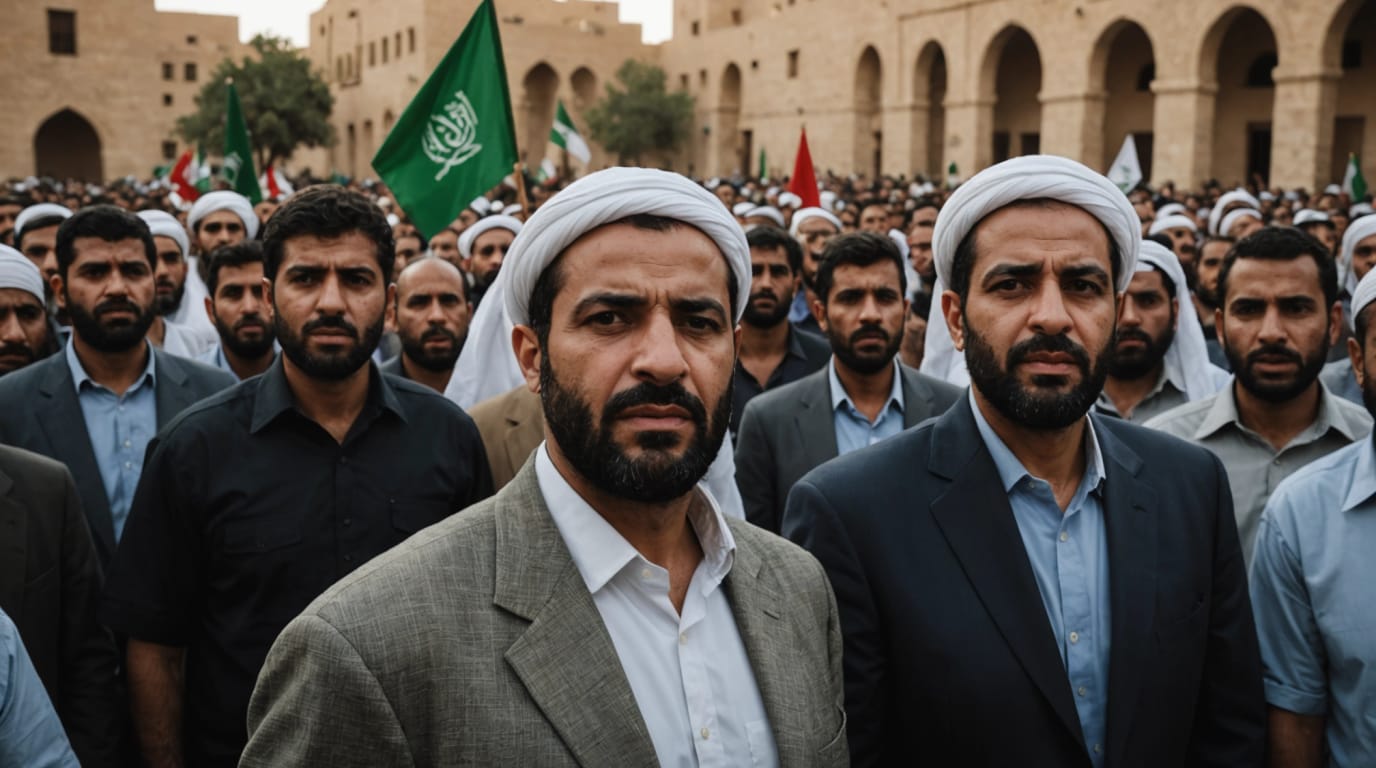
AMMAN – Jordanian authorities outlawed the Muslim Brotherhood, the country's largest opposition group, Wednesday, citing links to a sabotage plot. The government has also ordered the confiscation of all assets and offices belonging to the organization. The decision, announced by Interior Minister Mazen Fraya, is effective immediately.
The move marks a significant escalation in the government's long-standing tensions with the Islamist group, which has operated in Jordan for decades. While the Muslim Brotherhood has historically been a prominent political force, its influence has waned in recent years amid internal divisions and government restrictions.
According to Jordanian officials, the decision to outlaw the group was prompted by the discovery of a plot involving members of the Muslim Brotherhood who allegedly received training and funding in Lebanon. These individuals, 16 of whom were arrested last week, were reportedly planning attacks on targets within the kingdom using rockets and drones.
The government's action has drawn swift reactions, with some praising it as a necessary step to safeguard national security, while others have condemned it as a suppression of political dissent. The Muslim Brotherhood has yet to issue an official statement, but the move is expected to further inflame political tensions in the country.
Background of the Muslim Brotherhood in Jordan
The Muslim Brotherhood established a presence in Jordan in 1946 and officially registered as a charity in 1953. It later formed its political arm, the Islamic Action Front (IAF), which became a key opposition force in parliament.
Despite periods of cooperation with the government, the relationship between the Muslim Brotherhood and Jordanian authorities has been fraught with challenges. The government has often viewed the group with suspicion, particularly due to its transnational ties and its Islamist ideology.
In recent years, the Jordanian government has taken several steps to curb the Muslim Brotherhood's influence. In 2015, authorities licensed a breakaway faction, effectively creating a parallel organization and weakening the original group. The IAF has also faced increasing restrictions, with some of its activities being curtailed.
Allegations of Sabotage Plot
The Jordanian government's decision to outlaw the Muslim Brotherhood was triggered by the alleged discovery of a sabotage plot. According to Interior Minister Fraya, the individuals involved received training and funding in Lebanon and were planning attacks on targets within Jordan.
Details about the alleged plot remain scarce, and the government has yet to release specific evidence to support its claims. However, officials have asserted that the arrests made last week were directly linked to the planned attacks.
The Muslim Brotherhood has faced similar accusations in the past, often linked to regional conflicts and political instability. The group has consistently denied any involvement in violence or acts of sabotage, maintaining that it is committed to peaceful political activism.
Implications for Jordanian Politics
The outlawing of the Muslim Brotherhood is likely to have far-reaching implications for Jordanian politics. The move effectively eliminates the country's largest opposition group, potentially silencing dissenting voices and further consolidating power in the hands of the government.
The decision could also lead to increased political polarization and instability. Supporters of the Muslim Brotherhood may feel disenfranchised and resort to other means of expressing their grievances. The government's crackdown could also embolden other authoritarian tendencies, further eroding democratic norms and practices.
The move may also impact Jordan's relationship with other countries in the region. Some nations may view the decision as a sign of Jordan's commitment to combating extremism, while others may criticize it as a violation of human rights and political freedoms.
Confiscation of Assets and Offices
In addition to outlawing the Muslim Brotherhood, the Jordanian government has ordered the confiscation of all assets and offices belonging to the organization. This includes real estate, financial holdings, and other properties owned or controlled by the group.
The confiscation of assets is likely to cripple the Muslim Brotherhood's ability to operate and maintain its activities. Without access to financial resources, the group will struggle to organize events, publish materials, and support its members.
The government's move could also set a precedent for similar actions against other opposition groups or civil society organizations. The confiscation of assets raises concerns about due process and the protection of property rights.
Reactions and Future Outlook
The Jordanian government's decision to outlaw the Muslim Brotherhood has elicited mixed reactions. Supporters of the government have praised the move as a necessary step to protect national security and combat extremism. Critics, on the other hand, have condemned it as a suppression of political dissent and a violation of human rights.
The Muslim Brotherhood has yet to issue an official statement, but the group is expected to challenge the government's decision through legal and political means. The move could also lead to increased protests and demonstrations, further destabilizing the country.
The future of the Muslim Brotherhood in Jordan remains uncertain. The group may be forced to operate underground or in exile, making it more difficult to monitor and control. The government's crackdown could also radicalize some members, leading to increased violence and extremism.
The outlawing of the Muslim Brotherhood marks a significant turning point in Jordanian politics. The move is likely to have far-reaching implications for the country's political landscape, its relationship with other nations, and its overall stability. The coming weeks and months will be crucial in determining the long-term consequences of this decision.