Jury Finds Elon Musk Misled Twitter Shareholders in Landmark Ruling
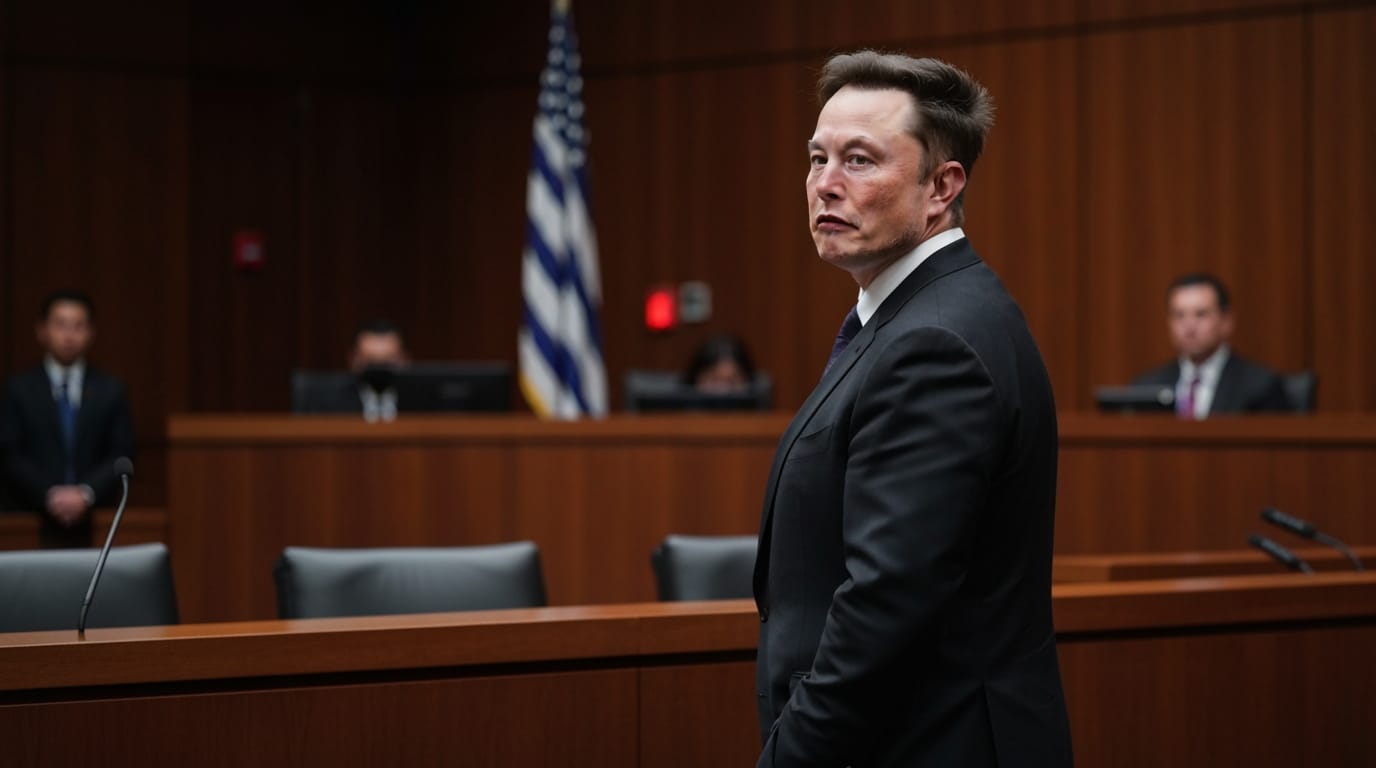
San Francisco, CA – A federal jury in San Francisco has found Elon Musk liable for misleading investors by deliberately driving down Twitter's stock price in the tumultuous months leading up to his $44 billion acquisition of the social media company in 2022. The verdict, delivered after a nearly three-week trial, marks a significant legal setback for the prominent tech magnate and sends a clear message about the accountability of public figures whose statements can sway market values. While absolving Musk of allegations that he engaged in a broader "scheme" to defraud, the nine-person jury concluded that two of his tweets contained false statements that caused financial harm to shareholders who sold their stock during the period of uncertainty.
The class-action lawsuit, filed on behalf of Twitter shareholders, centered on Musk's public statements, particularly two tweets made in May 2022, which plaintiffs argued were designed to depress the company's share value. The jury's decision could result in billions of dollars in damages, with plaintiffs' lawyers estimating the sum between $2.1 billion and $2.6 billion, to be finalized after affected shareholders submit their claims.
The Heart of the Allegations: Bot Counts and Stock Fluctuations
Central to the lawsuit were Musk's assertions regarding the prevalence of fake or "bot" accounts on the Twitter platform. Following his initial agreement to purchase Twitter for $54.20 per share in April 2022, Musk began to publicly question Twitter's reported figure of less than 5% of accounts being bots. One specific tweet on May 13, 2022, stated that the Twitter deal was "temporarily on hold" pending details supporting Twitter's calculation of spam/fake accounts. Another tweet in May further implied that the deal "cannot go forward" until the bot percentage was proven to be under 5%.
Shareholders contended that these statements were intentionally misleading, alleging that the deal was not genuinely "on hold" and that Musk lacked the unilateral ability to delay the acquisition at that stage. They argued that as Tesla's stock price, which largely comprised Musk's personal wealth, declined, and the cost of the Twitter acquisition became more burdensome, he sought to renegotiate a lower purchase price or withdraw from the deal entirely by leveraging concerns about bot accounts. This public criticism, according to the plaintiffs, caused a significant drop in Twitter's stock price, leading to substantial losses for investors who sold their shares during that period. For example, Twitter's stock price reportedly fell over 9% after one of Musk's key tweets and eventually dropped to 32% below his original offer price.
Musk, who testified during the trial, maintained that his concerns about the bot numbers were genuine and that Twitter had misrepresented the true percentage of fake accounts on its platform. His legal team argued that he was merely voicing legitimate concerns and did not intend to manipulate the stock price. However, the jury ultimately sided with the investors on two of the four fraud claims presented, concluding that Musk's statements were indeed misleading and materially affected Twitter's stock value.
A Tumultuous Takeover Saga
The lawsuit provided a retrospective look at the dramatic six-month period surrounding Musk's acquisition of Twitter. The saga began in January 2022 when Musk started accumulating Twitter shares, eventually becoming the company's largest shareholder by April. After initially being offered a seat on Twitter's board, which he declined, Musk made an unsolicited offer to buy the company outright for $44 billion. Twitter's board initially adopted a "poison pill" defense but eventually accepted Musk's offer on April 25, 2022.
However, the deal quickly became contentious. By July 2022, Musk announced his intention to terminate the agreement, citing Twitter's alleged failure to provide accurate information on spambot accounts. Twitter promptly sued Musk in Delaware's Chancery Court to force him to uphold the deal, leading to a scheduled trial. Just weeks before the Delaware trial was set to commence, Musk reversed course again in October 2022, agreeing to proceed with the acquisition at the originally agreed-upon price. He officially closed the $44 billion deal on October 27, 2022, taking the company private and later rebranding it as X.
Broader Implications and Future Appeals
The verdict represents a notable legal defeat for Elon Musk, who has a history of prevailing in court challenges. His lawyers have already indicated their intention to appeal the decision, characterizing it as a "setback." This contrasts with earlier successes, such as a 2023 case in the same San Francisco federal court where a jury cleared him of similar charges brought by Tesla shareholders concerning his 2018 "funding secured" tweets.
Legal experts suggest that this ruling could have significant ramifications, particularly for high-profile individuals and corporate executives who use social media to communicate about business matters. The decision reinforces the principle that public statements, especially from influential figures, carry legal consequences if they are found to be misleading and impact stock values. Mark Molumphy, an attorney for the plaintiffs, underscored this sentiment, stating that the jury's verdict "sends a strong message that just because you're a rich and powerful person, you still have to obey the law, and no man is above the law."
The damages, once finalized, will compensate thousands of Twitter shareholders who sold their stock between mid-May and early October 2022. This case highlights the growing scrutiny placed on public statements made by corporate leaders on platforms like X, emphasizing the need for accuracy and transparency in communications that can influence market behavior.