Kenya Halts US-Backed Ebola Quarantine Center Amidst Legal Battle and Public Outcry
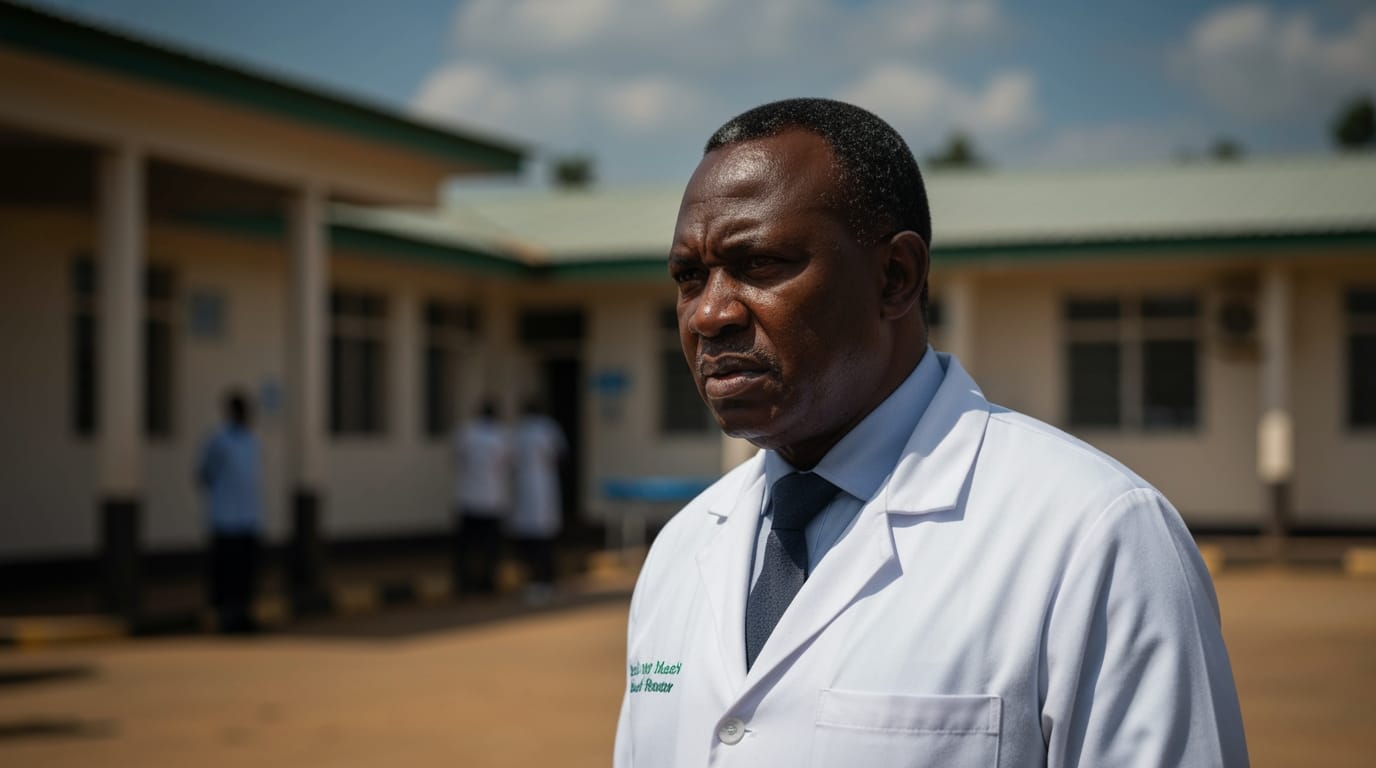
Nairobi, Kenya – Kenya's Health Minister, Aden Duale, has ordered an immediate cessation of all activities related to a controversial U.S.-backed Ebola quarantine facility at Laikipia Air Base, a decision announced in court on Tuesday, June 23, 2026. The directive comes after the minister was found in contempt of court for disregarding earlier orders to halt the project, which has ignited widespread public protests and concerns over national sovereignty and public health. The facility, intended to house U.S. citizens evacuated from the Democratic Republic of Congo (DRC) due to an ongoing Ebola outbreak, has been a flashpoint of contention since its announcement in May.
Judicial Intervention Halts Controversial Facility
Health Minister Aden Duale appeared before Justice Patricia Nyaundi Mande on Tuesday, June 23, 2026, where he apologized to the High Court and stated he had directed the "immediate and complete cessation of any intended construction, site preparation, or related activities" concerning the Laikipia air base facility. This public commitment followed a ruling on Monday that found Duale in contempt for failing to comply with multiple court orders issued in late May and early June to suspend the project. Rights groups, notably the Katiba Institute, had petitioned the court, arguing the facility was being developed secretly and without due consultation, prompting the initial stop-work orders. Despite these judicial directives, satellite imagery from June 22 indicated ongoing construction, including a build-up of tents and new structures, while flights carrying medical equipment and personnel reportedly continued to arrive at the air base.
The Genesis of the Laikipia Project
The U.S.-backed Ebola quarantine facility was conceived amidst a severe Ebola outbreak in the Democratic Republic of Congo, which has recorded over 1,000 cases. Situated at Laikipia Air Base, approximately 200 kilometers (125 miles) from the capital Nairobi, the facility was designed to include about 50 isolation beds and was slated to be managed by U.S. medical staff. The stated purpose was to provide a quarantine and treatment center for U.S. citizens potentially exposed to the highly contagious disease while working in the DRC. The United States had pledged $13.5 million to bolster Kenya's broader Ebola preparedness efforts, an incentive that some critics dismissed as an attempt to "whitewash" the controversial deal. Kenyan President William Ruto had publicly defended the initiative, framing it as part of Kenya's comprehensive disease preparedness strategy and a testament to a long-standing health partnership with the U.S., reportedly approved following a request from U.S. President Donald Trump.
Public Outcry and National Sovereignty Concerns
The announcement of the facility in May was met with immediate and fervent opposition from a significant portion of the Kenyan populace, escalating into deadly protests near the Laikipia Air Base and in Nairobi. Reports indicate at least three fatalities in unrest linked to the facility. A core concern among Kenyans was the perceived risk of importing the Ebola virus into a country that has never recorded a case, with many questioning the rationale of housing potential carriers on Kenyan soil. Public health experts and medical professionals within Kenya voiced anxieties that the project could unduly strain the nation's "already-fragile health system".
Critics also raised concerns about national sovereignty, perceiving "colonial overtones" in the arrangement where a foreign power would establish and manage a health facility on Kenyan territory for its citizens. Questions were also directed at the United States, with some lawmakers and activists questioning why American citizens exposed to Ebola were not being repatriated for treatment or quarantine within the U.S. itself. This perspective highlighted a perceived double standard, contrasting the current plan with past U.S. approaches to global health crises.
Navigating a Complex Public Health Landscape
The controversy surrounding the Laikipia facility unfolds against a backdrop of intensified national efforts by Kenya to bolster its preparedness against Ebola. The Ministry of Health, under Duale's leadership, has been actively engaged in strengthening surveillance, screening, laboratory capacities, and emergency response systems across the country, particularly in high-risk border areas, due to regional outbreaks in the DRC and Uganda. Over 48,000 people have been screened at entry points, and isolation and holding facilities have been activated in designated hospitals. The government has emphasized the critical role of such infrastructure in safeguarding public health, with Duale noting the risk posed by Kenyan peacekeepers in eastern Congo and other travelers.
While the government initially defended the U.S.-backed project as a strategic partnership and part of its broader preparedness, the sustained public backlash and judicial interventions underscore the complex balance between international cooperation, national public health concerns, and public sentiment. The court's ruling and the minister's subsequent compliance signal a significant victory for transparency and public engagement in critical health policy decisions, while also highlighting the challenges inherent in navigating global health emergencies when local trust is eroded.
The halt of the Laikipia facility marks a pivotal moment for Kenya's public health policy and its international collaborations. It underscores the imperative for governments to engage in transparent consultation processes, particularly on issues with profound public health and societal implications. While the immediate future of the U.S.-Kenya health partnership regarding this specific facility remains uncertain, the decision reaffirms the judiciary's role in upholding public interest and accountability. Moving forward, Kenya faces the ongoing challenge of reinforcing its national preparedness against Ebola and other infectious diseases, potentially requiring a re-evaluation of how such projects are conceived, communicated, and implemented to ensure both efficacy and public confidence.


