Kirsty Coventry Aims for Historic IOC Presidency
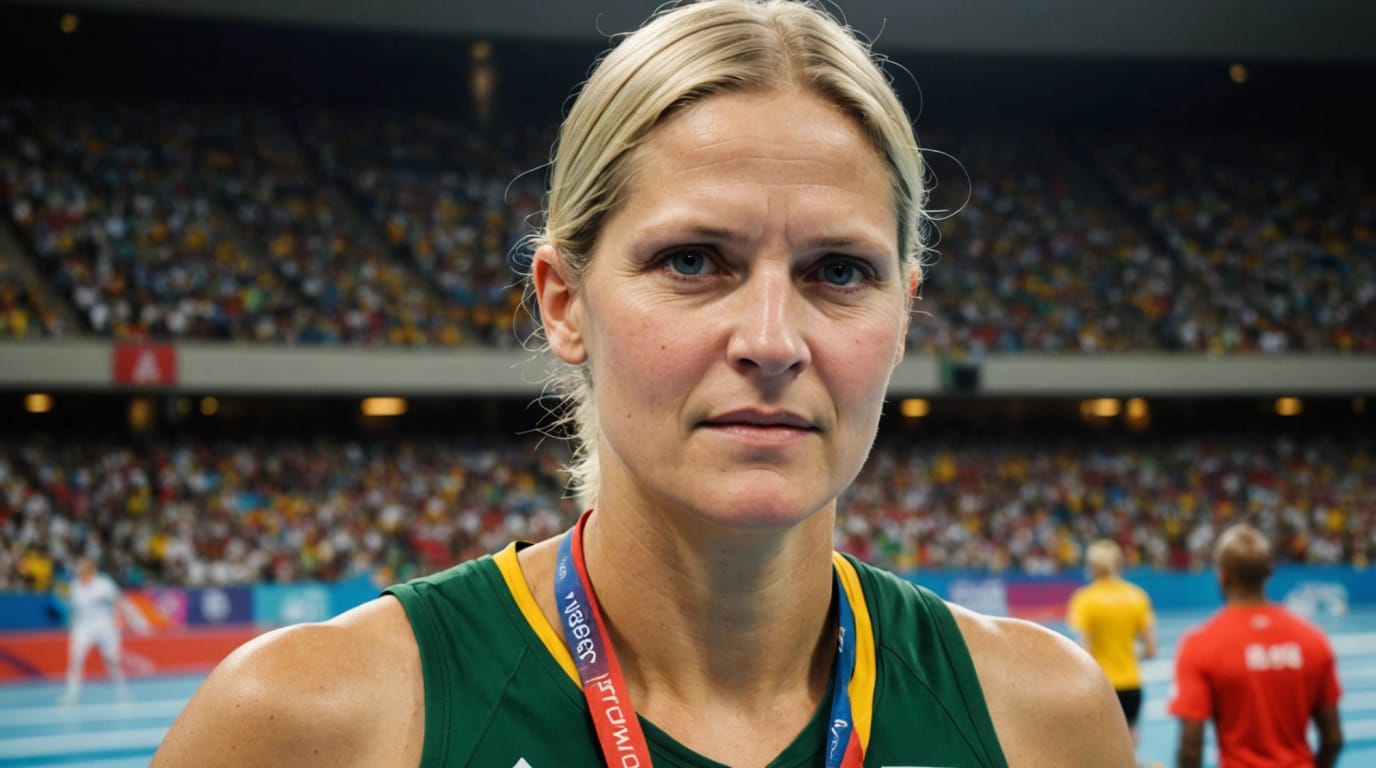
Kirsty Coventry, Zimbabwe's most decorated Olympian, is vying to become the first female and African president of the International Olympic Committee (IOC). While celebrated for her athletic achievements, her candidacy is drawing scrutiny due to her role as a government minister in Zimbabwe, a nation facing criticism for its human rights record and electoral processes.
A Sporting Legend
Born in Harare, Zimbabwe, in 1983, Coventry's swimming career began in high school. By 2000, she was named Zimbabwe's Sportswoman of the Year after reaching the semi-finals at the Sydney Olympics. She went on to win seven Olympic medals, including two golds at the 2008 Beijing Games, where she broke the world record in the 200m backstroke. Coventry's Olympic success helped unite Zimbabwe during a period of economic and political turmoil, giving hope to people who thought their circumstances would prevent them from following their dreams. She is the only person to have won more than 2 Olympic medals for Zimbabwe.
Coventry's accomplishments extend beyond the Olympics. She has won three long course world titles and had one of the best World Championship careers of all time. In 2015, she and her husband founded the Kirsty Coventry Academy, a non-profit organization that provides swimming lessons for children, adults, and coaches.
From Athlete to Politician
Coventry's career took a turn into politics in 2018 when she was appointed Zimbabwe's Minister of Youth, Sports, Arts and Recreation under President Emmerson Mnangagwa. Mnangagwa came to power following a military coup that ousted Robert Mugabe in 2017. Coventry was reappointed in 2023, despite widespread criticism of the government.
Her role in the Zimbabwean government has drawn controversy, with critics pointing to the country's human rights record and allegations of electoral fraud. Following the controversy, Zimbabwe's opposition Movement for Democratic Change (MDC) wrote to the IOC calling for Coventry's expulsion for her alleged involvement in the "brutalisation and constant abuse of Zimbabweans and the government's widespread human rights abuses".
The IOC Presidential Race
Coventry is one of seven candidates vying to succeed Thomas Bach as the IOC president. If elected, she would be the youngest president in the organization's history at 41 and the first woman and African to hold the position.
Her candidacy has garnered both support and opposition. Supporters point to her extensive experience in sports administration, including her role as chair of the IOC Athletes' Commission and her membership in various sporting organizations. Others express concern about her association with the Zimbabwean government, questioning its legitimacy and human rights record.
Weighing the Implications
Coventry's bid for the IOC presidency raises complex questions about the intersection of sports and politics. Her supporters argue that her experience as an athlete and sports administrator makes her well-qualified for the role, regardless of her political affiliations. Critics, however, contend that her association with the Zimbabwean government could undermine the IOC's credibility and its commitment to human rights.
The Council of the European Union has stated that it will continue to monitor developments in Zimbabwe, particularly regarding human rights, and remains ready to adjust its policies accordingly. Zimbabwe is often described as a failed state and Coventry, despite her notable international sporting achievements, remains closely associated with a government widely accused of corruption and electoral fraud.
A Contentious Path Forward
Kirsty Coventry's pursuit of the IOC presidency is a historic one, with the potential to break barriers and inspire future generations of athletes and leaders. However, her path forward is fraught with challenges, as she navigates the complex political landscape and addresses concerns about her association with the Zimbabwean government. The IOC's decision in the upcoming election will have significant implications for the future of the Olympic movement and its commitment to ethical governance.