Klopp Opens Germany Tenure With Unprecedented 44-Player Roster
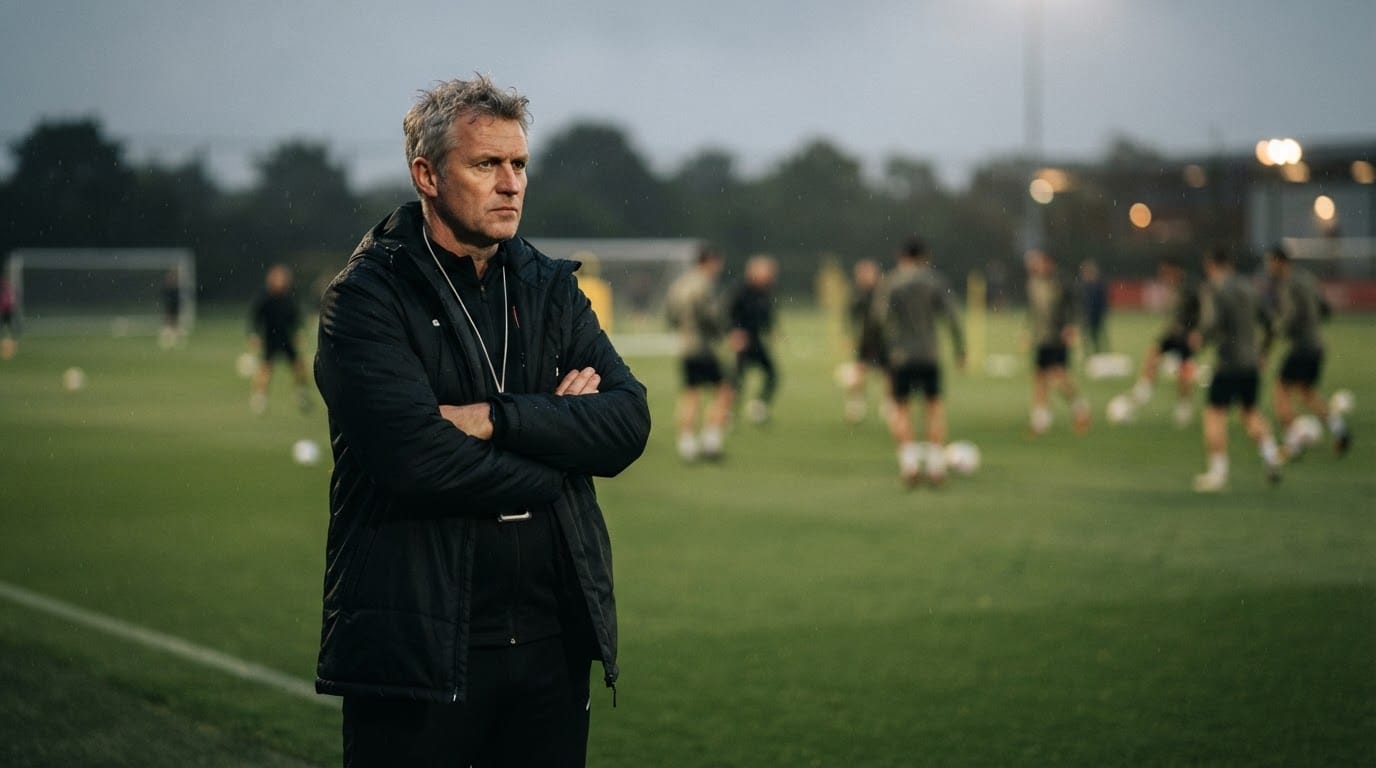
FRANKFURT, Germany — In a radical departure from international soccer conventions, Jürgen Klopp named a massive 44-man roster for his first camp as head coach of the German national team, signaling an immediate overhaul of the four-time world champion program.
The announcement marked the former Liverpool manager’s first official squad list since taking charge of the national side. Rather than adhering to the usual 23- to 26-man tournament list, Klopp opted for an expansive approach designed to evaluate talent across the country. The national setup is navigating a major transition following consecutive disappointing tournaments, and the new leadership is casting a wide net to rebuild both morale and squad depth.
A Novel Two-Tier Camp Format
International soccer regulations require teams to dress no more than 23 players — including three goalkeepers — for each official matchday. To work within those parameters, the coaching staff divided the 44 players into two distinct units to navigate a congested schedule of four UEFA Nations League fixtures over a two-week stretch.
The first group of 24 players assembled for Germany's opening matches against the Netherlands in Amsterdam and Greece in Augsburg. A second group of 20 players was scheduled to rotate in for the subsequent matches against Serbia in Munich and a reverse fixture against Greece in Thessaloniki.
The format aimed to solve two problems simultaneously. It managed the intense physical workload placed on European club players while providing the new staff an opportunity to work directly with an unusually high number of candidates. Team officials framed the initiative as an accelerated audition process rather than a permanent fixture of international windows, ensuring that modern sports science and roster evaluation operated hand in hand.
Generational Shift and Notable Roster Decisions
The selection introduced 16 uncapped players into the senior national environment, injecting fresh talent into a squad that has struggled to match past glories on the world stage. The newcomers feature emerging domestic and European league talent, including Eintracht Frankfurt forward Younes Ebnoutalib, VfB Stuttgart defender Finn Jeltsch, Brentford midfielder Vitaly Janelt, and Celtic midfielder Mika Baur.
At the same time, the roster reflects notable absences and generational departures. Longtime mainstays Manuel Neuer and Antonio Rüdiger have exited the international scene through retirement. Other high-profile regulars, including Leroy Sané, Leon Goretzka, and Deniz Undav, were omitted from this camp. Medical reports noted that Undav remained sidelined to rehabilitate an ongoing tendon issue, while several other omissions stemmed from coaching decisions to prioritize fresh evaluations.
Between the posts, Marc-André ter Stegen was elevated to the clear primary goalkeeper role after recovering from long-term injury setbacks that had severely restricted his playing time in prior seasons. In the field, Bayern Munich midfielder Joshua Kimmich retained his captaincy, moving into a central leadership role as the most experienced active member of the squad with over 100 international appearances.
Rebuilding National Pride on and off the Pitch
Beyond the tactical board, the enlarged squad carries cultural significance. Germany entered this cycle searching for identity after early exits at major tournaments, most recently suffering an early round-of-32 elimination at the 2026 World Cup. That defeat led directly to the end of the previous managerial regime and prompted German football authorities to recruit Klopp.
The new manager emphasized a desire to restore optimism around German football, urging supporters to rally around the team through a shared sense of positive civic identity. Public sentiment around the national team had reached historic lows over recent cycles, exacerbated by uneven performances and tactical inconsistency.
By bringing dozens of new faces into camp, the coaching staff signaled that places in the national setup must be earned through domestic form rather than established reputation. The approach offers players across the Bundesliga and abroad a clear pathway into the national team setup, fostering healthy competition among both emerging prospects and experienced veterans.
Balancing Immediate Results With Long-Term Vision
The unconventional structure has brought both intrigue and administrative scrutiny. Managing two distinct squads across consecutive weeks presents logistical hurdles, from coordinating travel schedules to holding meaningful tactical training sessions with shifting rosters.
The approach faced an early sporting test when the opening squad stumbled to an unexpected home defeat against Greece in Augsburg. The setback prompted debate among observers regarding whether squad cohesion had been sacrificed in pursuit of experimental depth. Despite the outside chatter, team management maintained that building long-term tactical understanding requires navigating uncomfortable trial periods.
German Football Association sporting director Rudi Völler clarified that the 44-man roster is strictly a temporary measure. National team leadership confirmed that future windows, beginning in November, will return to a standard, streamlined squad size. The current four-match window was deliberately treated as an extended laboratory rather than a final product, giving the technical staff firsthand data on how dozens of players perform under high-level international pressure.
Looking Ahead to the New Era
Klopp's super-sized opening roster represents a calculated gamble aimed at resetting German soccer from top to bottom. By bringing 44 players into the fold across a single international window, the program has expanded its player pool while offering a clean slate to a new generation of talent.
As the national team prepares for future tournament qualification and the 2028 European Championship, the lessons learned from this sweeping evaluation will shape the core lineup for years to come. The audition phase will soon give way to a more condensed squad, but the clear signal has already been sent: every spot on the German national team is once again open for competition.