Kremenchuk Plunged into Darkness as Russian Strikes Target Critical Infrastructure
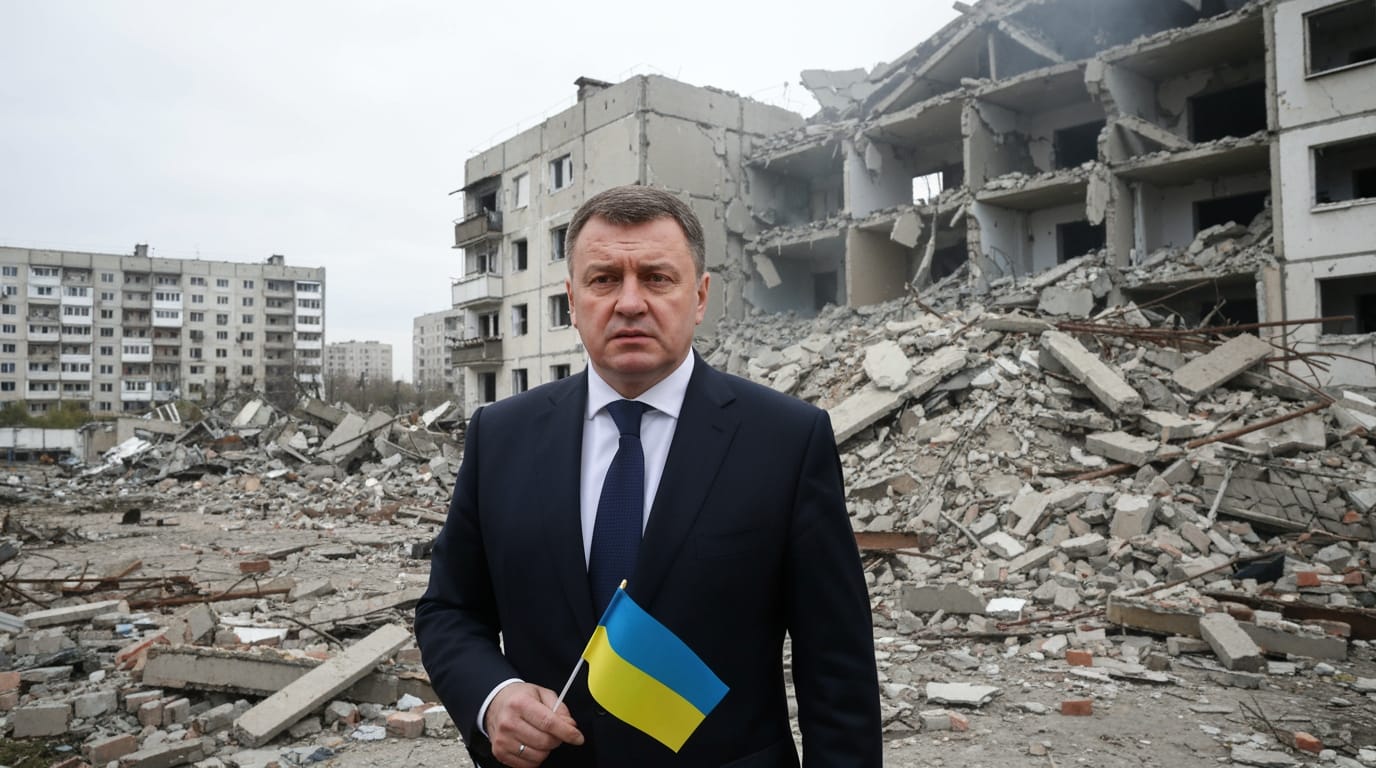
Kremenchuk, a vital industrial hub in central Ukraine, experienced widespread power, water, and heating outages on Sunday following a large-scale overnight Russian airstrike. Mayor Vitalii Maletskyi confirmed the disruptions, indicating a deliberate targeting of the city's essential services as winter temperatures begin to bite across the region. The assault marks another chapter in Russia's sustained campaign to destabilize Ukrainian infrastructure, a strategy that has repeatedly brought hardship to the city's residents.
The Latest Onslaught
The combined air attack unfolded overnight from Saturday into Sunday, with the Ukrainian Air Force issuing warnings of approaching missiles and drones, including reports of Kinzhal hypersonic missiles being launched towards the city. Residents reported explosions beginning around 1:30 a.m. local time, leading to significant damage that crippled vital utilities. Mayor Maletskyi quickly mobilized city services to restore electricity, water, and heating to affected districts, with preliminary damage assessments underway. A photo posted by the mayor depicted a large blaze engulfing industrial buildings during the night, underscoring the severity of the assault. This latest strike is consistent with a broader Russian strategy observed in recent months, focusing on long-range attacks against Ukraine's energy and water infrastructure in an apparent effort to sap public morale and disrupt industrial capabilities ahead of winter.
Kremenchuk: A City Under Siege
Located on the Dnipro River, Kremenchuk holds strategic importance as a major industrial center and is home to one of Ukraine's largest oil refineries. This economic significance has unfortunately rendered it a frequent target for Russian forces since the full-scale invasion began in February 2022. The city has endured multiple missile strikes, with significant consequences for both its industrial capacity and civilian population.
One of the most devastating attacks occurred on June 27, 2022, when two Kh-22 cruise missiles struck the Amstor shopping mall and the adjacent Kredmash road machinery plant. This horrific incident resulted in the deaths of at least 20 people and injured 59, with more than 1,000 individuals reportedly inside the mall at the time of the strike. Ukrainian President Volodymyr Zelenskyy denounced the attack as a "terrorist attack," while G7 leaders condemned it as an "abominable attack" and a "war crime." Despite conflicting narratives from Russian officials who initially denied hitting the mall or claimed a nearby arms depot was the target, CCTV footage later contradicted these assertions, showing a direct hit on the shopping center. The 2022 mall strike marked the highest casualty count from a single attack on Kremenchuk at that time, leaving a deep scar on the community.
Beyond civilian targets, Kremenchuk's oil refinery, Ukraine's only functioning facility of its kind at the start of the full-scale invasion, has also been repeatedly hit. Attacks in April, May, and June of 2022 led to extensive damage and the cessation of oil production, severely impacting Ukraine's domestic fuel supply. Russian defense ministries have claimed these strikes targeted facilities supplying fuel to Ukrainian forces, while Ukrainian officials reported direct hits on the refinery and surrounding infrastructure.
The Looming Winter Crisis
The recent strike on Kremenchuk is part of a broader pattern of intensified Russian attacks on Ukraine's energy infrastructure as the colder months approach. This strategy aims to create humanitarian crises, placing immense pressure on the Ukrainian population and its government. Prior winters have seen widespread power outages and emergency rationing across Ukraine due to such bombardments, and the current winter season is anticipated to pose even greater challenges.
The United Nations has warned of the severe and long-term harm caused by these attacks on electricity infrastructure, affecting not only power supply but also water distribution, sewage systems, heating, public health, education, and the overall economy. Between March and August 2024 alone, Russia launched nine waves of large-scale, coordinated attacks on Ukraine's electric power system, damaging or destroying numerous power generation, transmission, and distribution facilities. These assaults have reportedly destroyed approximately 9 gigawatts of electricity generation capacity, equivalent to half of Ukraine's winter demand, with 73 percent of thermal power generating units rendered inoperative by June 2024. The ongoing destruction compromises essential services and disproportionately affects vulnerable populations, including the elderly, disabled, internally displaced, and lower-income households. The potential for prolonged electricity blackouts has catastrophic consequences, especially with temperatures expected to drop significantly.
Resilience Amidst Adversity
Despite the recurring attacks and the severe disruptions to daily life, Kremenchuk's authorities and residents consistently demonstrate resilience. Mayor Maletskyi's prompt announcement of restoration efforts and his message, "We will restore everything," reflect the ongoing determination to overcome the challenges posed by the conflict. However, the sustained targeting of critical infrastructure places an immense burden on the city's resources and its inhabitants. The cumulative impact of destroyed power plants, damaged heating networks, and water supply interruptions threatens to leave millions without basic necessities as winter progresses. The international community continues to monitor the situation, with calls for support to help Ukraine repair and fortify its energy systems.
The latest airstrikes on Kremenchuk serve as a stark reminder of the humanitarian toll of the ongoing conflict, highlighting Russia's continued focus on civilian infrastructure as a weapon of war. As the city grapples with outages and the urgent need for repairs, the fortitude of its population remains a defining characteristic in the face of relentless aggression.


