Kyiv Battles Brutal Winter as Infrastructure Attacks Plunge City into Darkness and Cold
Kyiv, Ukraine – A relentless winter grips the Ukrainian capital, plunging millions into sub-zero temperatures with little to no heat, electricity, or running water, as sustained attacks on critical energy infrastructure by Russian forces continue to cripple the city. As temperatures plummet to as low as -24 degrees Celsius (-11 degrees Fahrenheit) in early February, residents endure a daily struggle for survival, turning to makeshift solutions and communal "Points of Invincibility" to find warmth and power. The current outages represent some of the most extensive and prolonged disruptions Kyiv has experienced since the full-scale invasion began nearly four years ago, exacerbating an already dire humanitarian situation.
The Daily Ordeal of a Frozen City
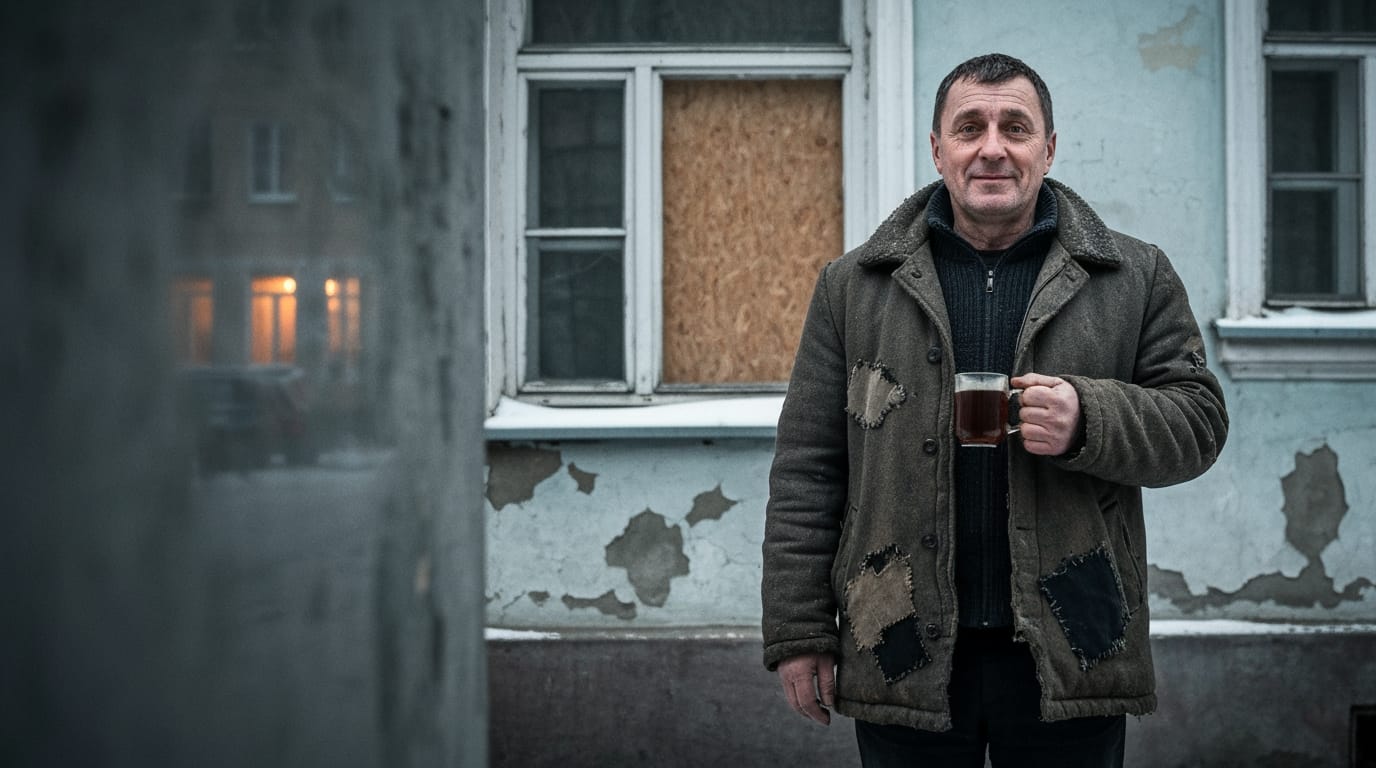
For many Kyiv residents, the simple comforts of modern life—a warm home, a hot meal, a lighted room—have become distant memories. With central heating systems offline for weeks in numerous areas, indoor temperatures can hover near freezing, sometimes dropping to a frigid -15 degrees Celsius (5 degrees Fahrenheit) inside apartments. The outages affect more than just warmth; they disrupt basic necessities like cooking and hygiene. Some elderly residents, like 85-year-old Seri, have resorted to melting snow for water, while others like Olia rely on hot water bottles and blankets to fend off the cold in their homes. The challenge extends to preparing food, with electric stoves rendered useless, forcing some to use gas canisters or even their gas stoves for heating, which carries risks such as mold formation due to condensation.
The scale of the crisis is profound. In January 2026 alone, thousands of apartment buildings lost heating, and approximately 1.2 million properties in Kyiv and the surrounding Chernihiv region were without electricity following concentrated strikes. Mayor Vitali Klitschko has described these as the longest and most widespread outages the city has faced. Even when power is temporarily restored, the grid faces an immediate challenge: people turn on all available electrical equipment to quickly complete tasks like washing, cooking, or charging devices, often leading to subsequent system collapses. This constant disruption makes routine tasks a monumental effort, with many older residents in high-rise buildings trapped in their apartments due to non-functional elevators.
A Deliberate Strategy: Targeting Civilian Infrastructure
The widespread absence of heat and power is a direct consequence of Russia's systematic and repeated attacks on Ukraine's energy infrastructure. Since the initial invasion in 2022, these strikes have intensified, particularly during the coldest months, aiming to inflict maximum civilian suffering and demoralize the population. From March through August 2024, nine major waves of coordinated attacks targeted critical power generation plants, substations, and transmission systems across Ukraine, damaging facilities in 20 of 24 regions under Ukrainian control.
Recent intensified bombardments in late 2025 and early 2026 have further devastated the energy grid. January saw significant attacks on the 9th, 20th, and 24th, sending the energy sector into a state of emergency. On February 2-3, a massive combined attack involving drones and over 70 missiles struck multiple cities, causing temperatures to plummet to -24 degrees Celsius in Kyiv, leaving hundreds of thousands without heating. These attacks have damaged or destroyed numerous thermal power plants, combined heating power plants, and boiler houses, with the direct economic cost to heating infrastructure alone estimated at USD 2.4 billion by May 2024. International bodies have condemned these actions, with the European Commission calling them "barbaric" and NATO Secretary General Jens Stoltenberg describing them as "horrific and indiscriminate," viewing them as potential war crimes aimed at "weaponizing winter."
The Invincible Spirit: Resilience and Humanitarian Response
Despite the immense hardships, Ukrainians in Kyiv continue to demonstrate extraordinary resilience. Communities have rallied together, forming intricate networks of mutual aid. Neighbors assist the elderly and mobility-impaired who cannot navigate dark, icy streets or multi-story buildings without working elevators. Citizens devise creative solutions for everyday problems, from charging phones using car batteries to gathering in cafes and businesses that operate on generators for a few hours of warmth and light.
A crucial lifeline for many has been the establishment of "Points of Invincibility" by the Ukrainian government. These temporary shelters, often set up in tents or public buildings, provide a refuge from the cold, offering warmth, hot food, charging stations for electronic devices, and access to basic services. Humanitarian organizations, including the Ukrainian Red Cross, Doctors Without Borders, and Food Without Borders, are working tirelessly alongside state emergency services to support these efforts. They distribute essential winter supplies, deliver emergency generators, and provide hot meals to those most in need. However, even with these efforts, the reluctance of some residents to leave their homes, coupled with the sheer scale of the damage, means that many still face isolation and profound discomfort.
Lingering Shadows and the Path Forward
The winter of 2025-2026 is widely regarded as one of the harshest for Ukraine since 2014, not only due to the extreme weather but also the concentrated targeting of civilian infrastructure. The psychological and physical toll on the population is significant, with many reporting exhaustion and weariness after years of conflict. The prolonged disruptions have also strained critical services, with hospitals forced to postpone surgeries and ration care, particularly in intensive care units and neonatal facilities.
The immediate outlook remains challenging. Experts warn that further attacks could lead to catastrophic situations, and the extensive damage to Ukraine's centralized, Soviet-era energy networks means that repairs are complex and time-consuming. While international partners have provided critical support, including emergency energy assistance and generators, the ongoing need for aid and improved air defense systems to protect infrastructure is paramount. The fortitude of Kyiv's residents, coupled with concerted domestic and international efforts, will continue to be tested as the city navigates the remaining weeks of this brutal winter and looks towards the immense task of rebuilding.