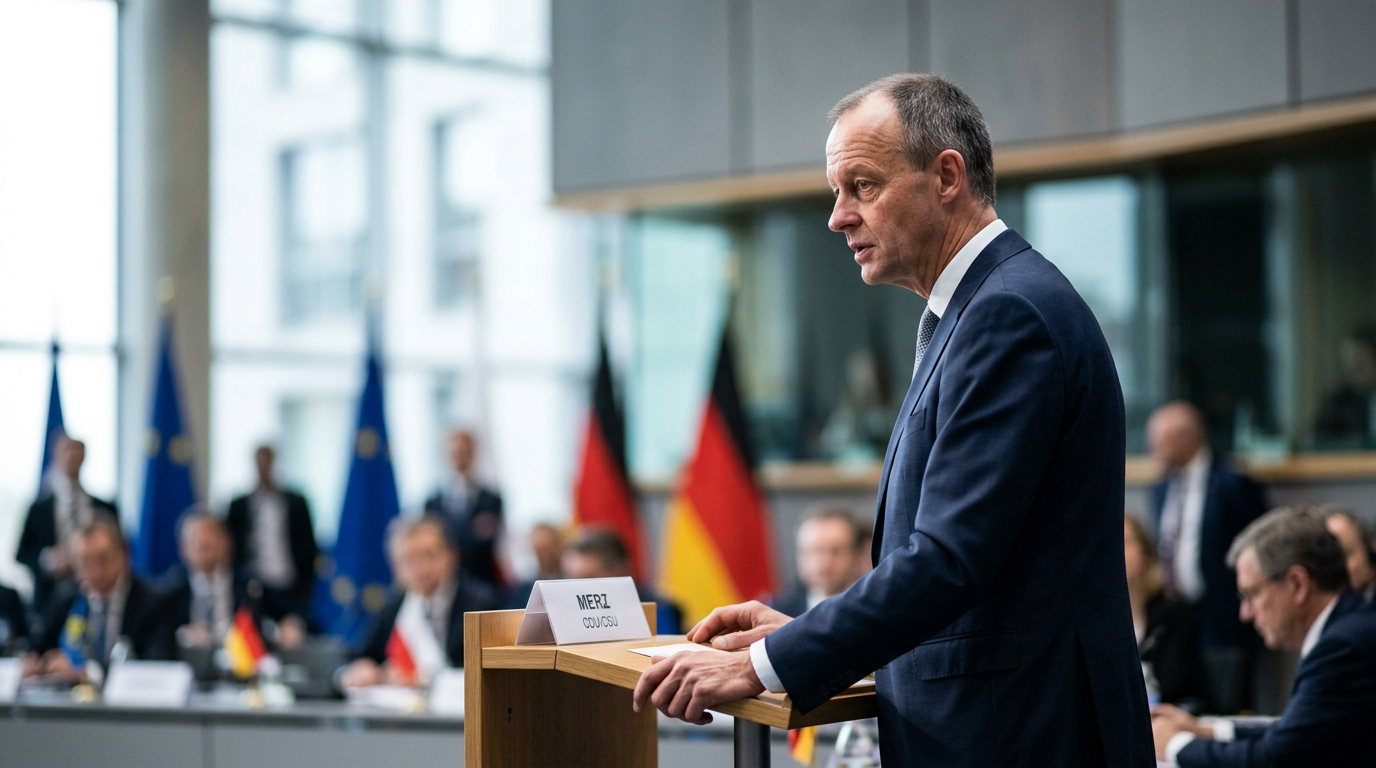
Liberal Judge Wins Wisconsin Supreme Court Race, Dealing Blow to Trump and Musk
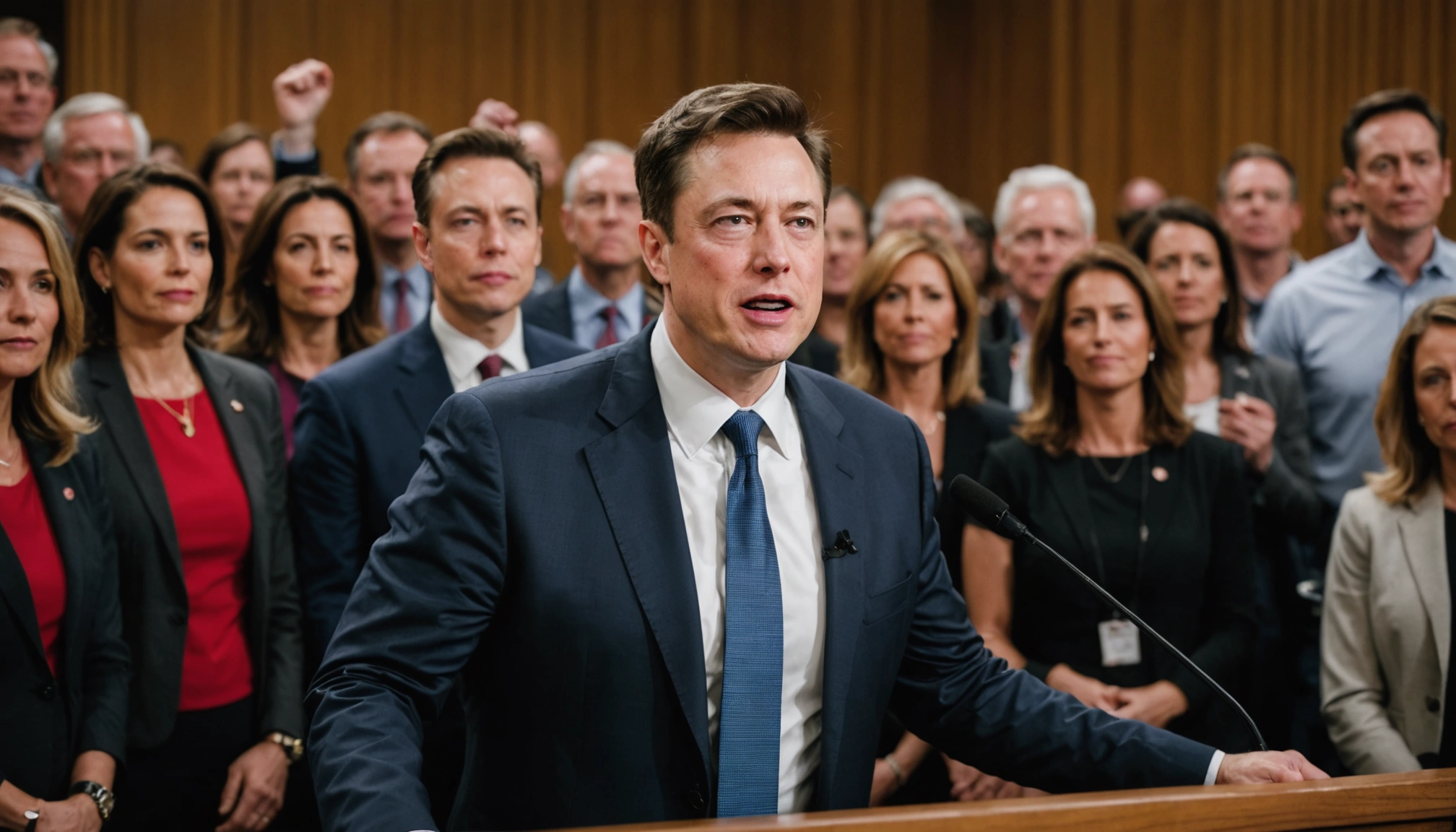
In a closely watched election that shattered spending records and drew national attention, liberal Judge Susan Crawford secured a seat on the Wisconsin Supreme Court, preserving the court's 4-3 liberal majority. The victory is a significant win for Democrats and a rebuke of former President Donald Trump and billionaire Elon Musk, who heavily supported Crawford's opponent, conservative Judge Brad Schimel. The outcome has far-reaching implications for the future of abortion rights, redistricting, and other key issues in the battleground state.
A Referendum on National Politics
The Wisconsin Supreme Court race became a proxy battle for national political divisions, with both sides pouring unprecedented amounts of money into the election. Total spending approached $100 million, making it the most expensive judicial race in U.S. history. The race was viewed by many as an early referendum on Trump and Musk, who became central figures in the campaign. Crawford and her Democratic allies accused Musk of trying to "buy" the Supreme Court seat, while Schimel embraced Trump's endorsement in the final days of the race.
Implications for Key Issues
Crawford's victory ensures that the Wisconsin Supreme Court will remain under liberal control until at least 2028. This has significant implications for several key issues facing the state, including:
Abortion Rights
The Wisconsin Supreme Court is currently considering a case challenging the state's 1849 law, which bans almost all abortions. Crawford's win increases the likelihood that the court will strike down the law, ensuring that abortion remains legal in Wisconsin. Crawford has a history of supporting abortion rights, having represented Planned Parenthood of Wisconsin in litigation related to abortion access.
Redistricting
The liberal majority on the court recently overturned the state's Republican-gerrymandered legislative maps, breaking a GOP lock on the state legislature. Crawford's victory opens the door for Democrats to challenge the state's congressional maps, potentially leading to a redrawing of district lines that could benefit Democrats.
Labor Rights
The Wisconsin Supreme Court is also expected to hear cases related to labor rights, including challenges to a GOP-backed state law that took away collective bargaining rights from most public workers. Crawford has a history of supporting union power, and her victory could lead to the overturning of this law.
Record Voter Turnout
The Wisconsin Supreme Court race saw record voter turnout, with election officials reporting brisk participation across the state. As of Monday, 644,800 absentee ballots had been returned, representing about a 40% increase over the advance total in Wisconsin's 2023 judicial race, which also set a turnout record. Milwaukee Elections Commission Executive Director Paulina Gutierrez said turnout in the state's largest city was "historic."
A Blow to Trump and Musk
Crawford's victory is a significant blow to Trump and Musk, who both invested heavily in Schimel's campaign. Musk, in particular, became a target of criticism for his unprecedented financial support of a judicial candidate. Musk spent more than $25 million supporting Schimel. Crawford's supporters framed the election as a referendum on Musk, accusing him of trying to buy the Supreme Court seat.
Looking Ahead
Crawford will begin her 10-year term on August 1, replacing retiring Justice Ann Walsh Bradley. With no liberal seats up for election until 2028, Crawford's victory ensures that the liberal majority on the Wisconsin Supreme Court will remain in place for the foreseeable future. The next two Wisconsin Supreme Court elections in 2026 and 2027 feature conservative justices defending their seats, meaning the liberal majority Crawford successfully defended could last until at least 2028 and possibly beyond.
The outcome of the Wisconsin Supreme Court race is a clear indication of the deep political divisions in the state and the nation. It also highlights the growing importance of state courts in deciding key issues that affect the lives of millions of Americans. Crawford's victory is a major win for Democrats and a setback for Republicans, but the battle over the direction of the Wisconsin Supreme Court is far from over.
Related Articles

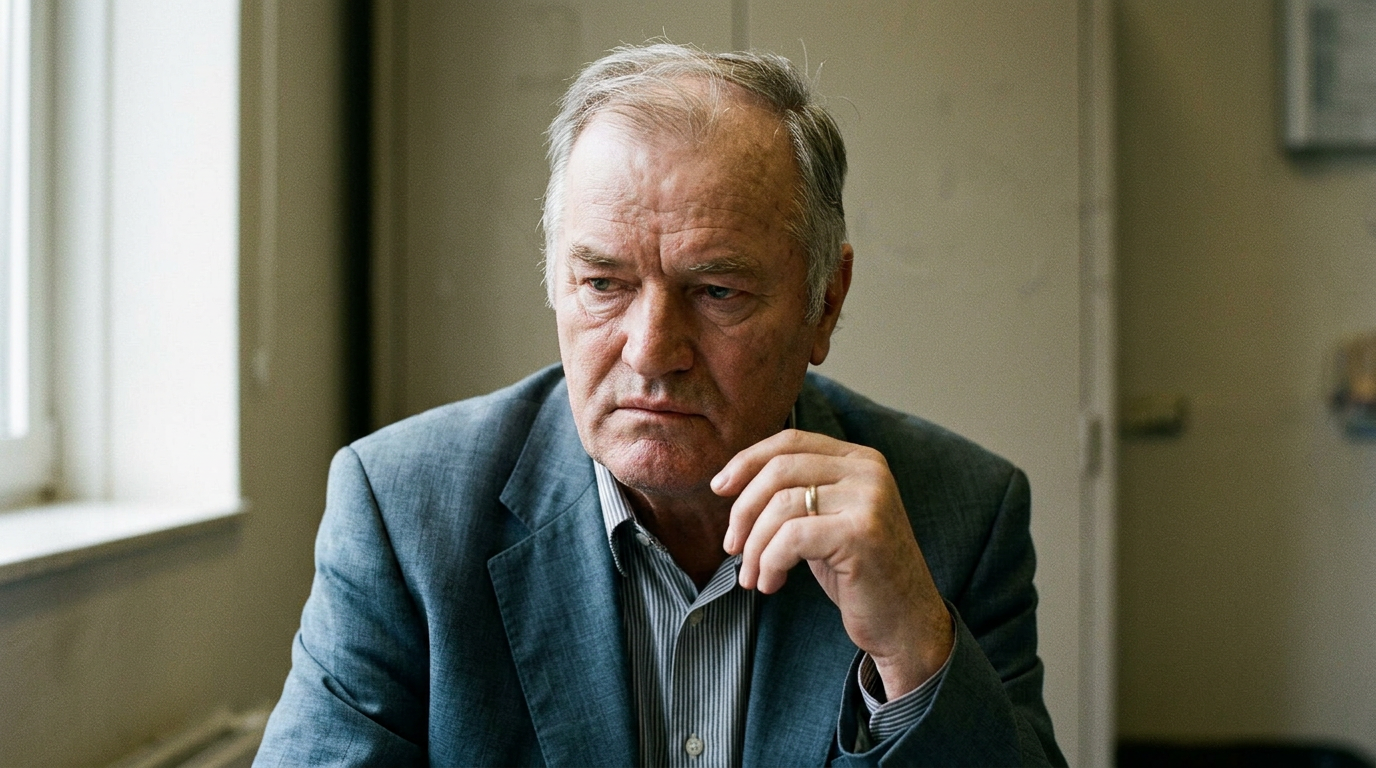
Ratko Mladić, "Butcher of Bosnia" and Convicted War Criminal, Dies at 84
THE HAGUE, Netherlands – Ratko Mladić, the former Bosnian Serb military commander known as the "Butcher of Bosnia" and convicted of genocide, war crimes, and crimes against humanity, has died at the age of 84. Serbian...

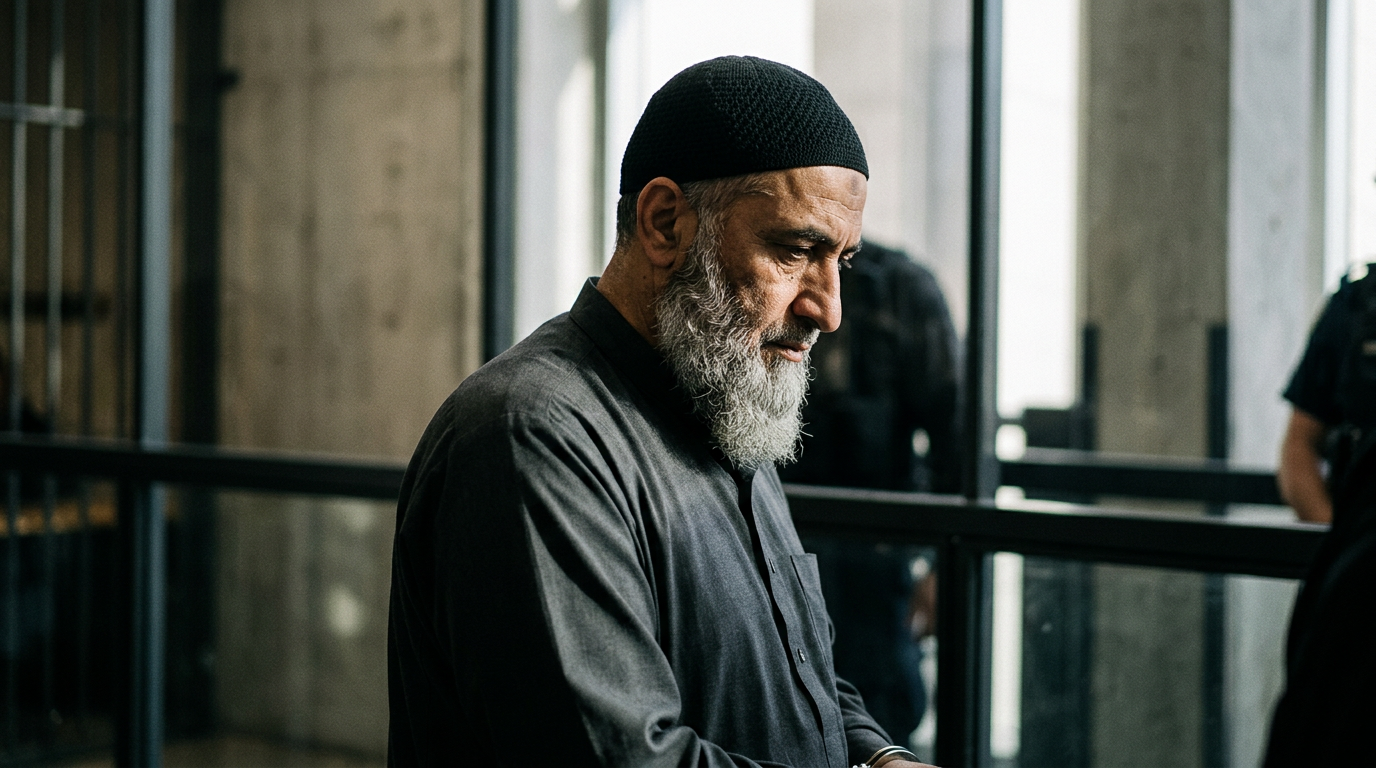
Long-Awaited 9/11 Mastermind Trial Set for 2028, Decades After Attacks
GUANTANAMO BAY, Cuba – Nearly a quarter-century after the devastating terror attacks of September 11, 2001, a military judge has finally set a trial date for Khalid Sheikh Mohammed, the alleged mastermind behind the...