Lions Roar Back: Iraq Qualifies for World Cup 2026 Amid Regional Tensions, Iran's Participation Confirmed Despite Doubts
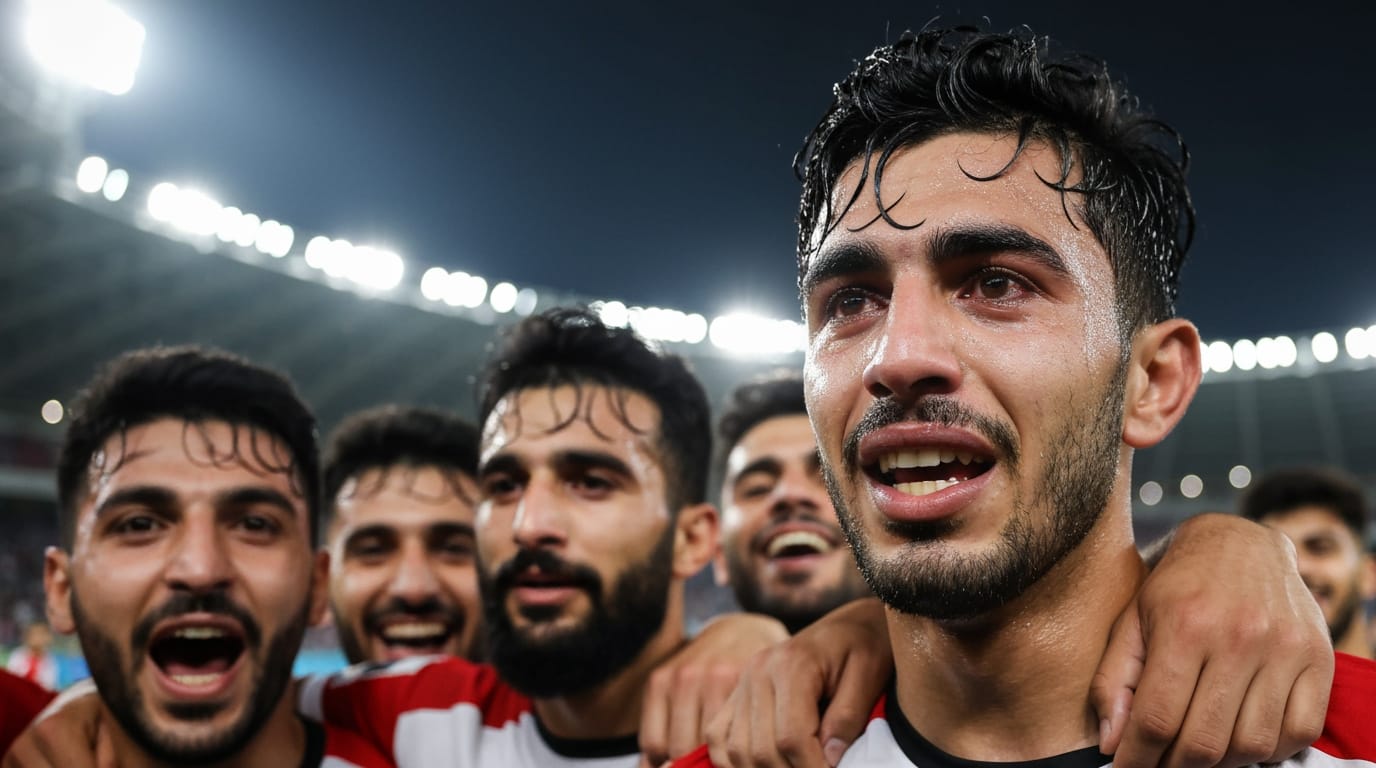
Baghdad erupted in jubilation this week as Iraq's national football team, the "Lions of Mesopotamia," secured their spot in the 2026 FIFA World Cup, ending a 40-year drought and bringing a rare moment of unity and celebration to a nation grappling with regional conflict. Their dramatic 2-1 victory over Bolivia in an intercontinental playoff sealed their place among the 48 teams heading to North America, an achievement that stands in stark contrast to the deepening uncertainty surrounding fellow Asian powerhouse Iran, whose participation had been clouded by geopolitical tensions before FIFA's recent affirmation.
Iraq's Historic Return to the Global Stage
The decisive moment came in a nail-biting intercontinental playoff held in Mexico, where Iraq triumphed over Bolivia with a 2-1 scoreline. Ali Al-Hamadi opened the scoring for the Lions of Mesopotamia, with captain Aymen Hussein netting the crucial winning goal that sent the nation into raptures. This victory marks Iraq's first appearance at the FIFA World Cup since the 1986 tournament, also held in Mexico, bridging a four-decade gap for the football-loving nation.
The team's journey to qualification was arduous, not only on the pitch but also off it. Preparations for the playoff were reportedly disrupted by ongoing conflict in the Middle East, forcing players to undertake a challenging three-day journey to Mexico, with some portions of travel overland due to suspended air travel. Despite these significant logistical hurdles, the squad, under the guidance of Australian coach Graham Arnold, displayed remarkable resilience and tactical discipline. Their successful campaign saw them win all six matches in the second round of Asian qualifiers before navigating the complex playoff stages. Iraq will now compete in Group I of the World Cup, facing formidable opponents France, Senegal, and Norway.
The qualification ignited an outpouring of national pride across Iraq. Fireworks, music, and celebratory gunfire filled the streets of Baghdad as thousands poured out to mark the historic achievement. Amidst a backdrop of recent regional hostilities, the triumph offered a poignant moment of collective joy. "This victory is incredibly precious to us, despite the war raging," one 22-year-old fan noted, highlighting how the win provided a much-needed distraction and sense of unity across diverse communities.
Iran's Geopolitical Gauntlet: Doubts and Confirmation
While Iraq savors its return, neighboring Iran has faced a dramatically different path to the 2026 World Cup, one fraught with geopolitical complications. Iran had already secured its qualification, marking what would be its fourth consecutive appearance in the global tournament. However, their participation was thrown into significant doubt following the escalation of a conflict in the Middle East involving the United States and Israel against Iran, which commenced in late February.
The crisis intensified when Iran's sports minister, Ahmad Donyamali, publicly stated that the country's national team would not participate in the World Cup, citing security concerns for athletes and the broader national situation, particularly in light of a US strike that killed Supreme Leader Ayatollah Ali Khamenei. This announcement sparked widespread speculation and concern, raising questions about the intersection of sport and international politics.
The Iranian Football Federation (FFIRI) subsequently sought to negotiate with FIFA, requesting that their group stage matches be relocated from the United States to Mexico, one of the tournament's co-hosts. Mexico's President, Claudia Sheinbaum, indicated her country's willingness to host these matches. However, FIFA President Gianni Infantino ultimately confirmed that Iran's matches would proceed as originally scheduled in the United States, specifically in Los Angeles and Seattle. Infantino reportedly received assurances from former US President Donald Trump regarding the team's welcome, despite Trump later suggesting it might not be "appropriate" for them to be there for their own safety.
FIFA's Stance and Potential Ramifications
FIFA has maintained a firm stance throughout the uncertainty, asserting its commitment to the original tournament schedule and the participation of all qualified nations. The organization indicated that logistical complexities would make relocating matches highly unlikely. FIFA regulations also stipulate potential financial penalties and bans for national teams that withdraw from tournaments, adding pressure on the Iranian federation.
The situation highlights the challenging position football's governing body finds itself in when geopolitical conflicts intersect with major sporting events. Critics have pointed to the inherent unfairness of punishing athletes for political decisions beyond their control, advocating for solutions that prioritize player participation. For now, Iran is set to play New Zealand, Belgium, and Egypt in Group G, with their opening match against New Zealand slated for June 15 in Los Angeles. Their domestic league remains suspended due to the ongoing conflict.
An Expanded Tournament and Asia's Growing Presence
The 2026 FIFA World Cup will be the largest in history, featuring 48 teams for the first time, hosted across the United States, Mexico, and Canada. This expansion has provided increased opportunities for nations from various confederations, including Asia, which now boasts eight direct qualifying slots and one inter-confederation playoff spot.
Iraq's qualification, overcoming significant odds, underscores the burgeoning strength and competitiveness within Asian football. Their achievement brings a much-needed positive narrative to a region often dominated by headlines of conflict. Meanwhile, Iran's confirmed, albeit contentious, participation ensures that another strong Asian contender will be present, albeit under extraordinary circumstances. The global football community will watch closely as these teams navigate both the competition and the intricate geopolitical landscape that has unexpectedly become part of their World Cup story.