Long-Awaited 9/11 Mastermind Trial Set for 2028, Decades After Attacks
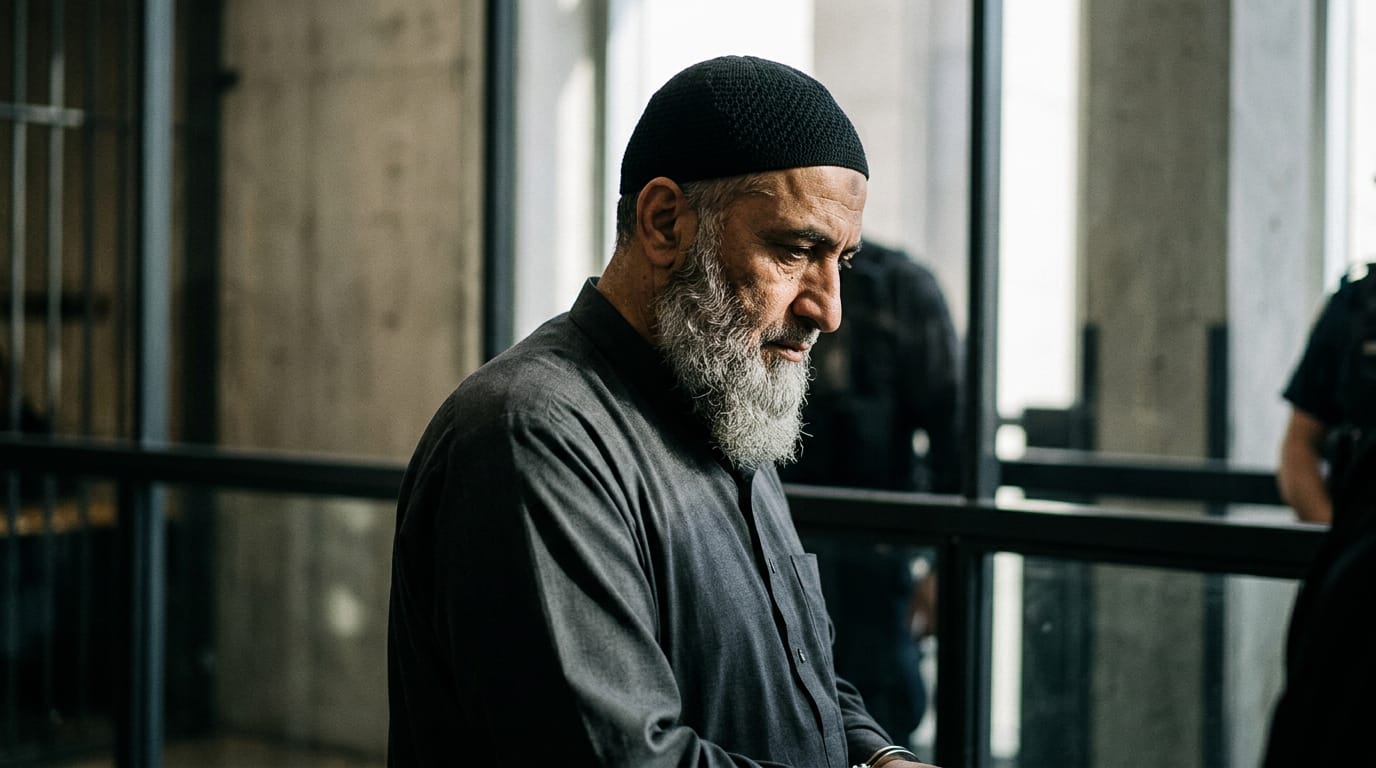
GUANTANAMO BAY, Cuba – Nearly a quarter-century after the devastating terror attacks of September 11, 2001, a military judge has finally set a trial date for Khalid Sheikh Mohammed, the alleged mastermind behind the plot, and three co-defendants. The landmark decision, issued this week, schedules proceedings to commence on June 5, 2028, at the U.S. naval base in Guantanamo Bay, Cuba, marking a pivotal, albeit protracted, step in the quest for justice for the nearly 3,000 victims.
This development arrives more than two decades after the men were initially detained and over 15 years since their arraignment in the controversial military commission system. Air Force Lt. Col. Michael Schrama, the fifth military judge to oversee this complex case, ordered the date, emphasizing the need for ample time to resolve intricate pre-trial evidentiary and compliance motions. The ruling denies prosecutors' request for an earlier trial in January 2027, acknowledging the profound legal challenges that have plagued the case since its inception.
A Tortuous Path to the Courtroom
The road to this trial date has been fraught with unprecedented legal and logistical hurdles, reflecting the unique and contentious nature of prosecuting alleged high-value terror suspects outside the traditional U.S. federal court system. Khalid Sheikh Mohammed, often referred to as KSM, was captured in Pakistan in March 2003 and subsequently transferred to the detention facility at Guantanamo Bay. He and his co-defendants – Walid bin Attash, Ammar al-Baluchi, and Mustafa Ahmad al-Hawsawi – have been held there since. A fifth defendant, Ramzi bin al-Shibh, was later deemed mentally incompetent to stand trial due to post-traumatic stress disorder attributed to "enhanced interrogations" he experienced.
The accused face charges that include war crimes, terrorism, and murder for their alleged roles in the 9/11 attacks, which resulted in the collapse of the World Trade Center towers in New York City, severe damage to the Pentagon in Virginia, and a plane crash in rural Pennsylvania. If convicted, they face the death penalty. However, the military commission system, established by President George W. Bush in the aftermath of 9/11, has been characterized by perpetual delays and legal battles, primarily centered on the admissibility of evidence obtained through harsh interrogation techniques.
The Shadow of "Enhanced Interrogation"
One of the most persistent and defining controversies shadowing the Guantanamo proceedings is the use of "enhanced interrogation techniques" by the CIA on Mohammed and other detainees. Mohammed himself was reportedly waterboarded 183 times. Defense attorneys argue that confessions extracted under such duress are inherently unreliable and inadmissible in court, a stance that has significantly complicated and prolonged pre-trial phases. The prosecution's reliance on national security privilege to withhold critical details from defense lawyers has further fueled debates over the fairness and transparency of the process.
These foundational disputes have led to a legal quagmire, stalling progress for years and contributing to the turnover of multiple judges. The current judge's decision to set the 2028 date explicitly acknowledges the need for extensive time to address these deep-seated evidentiary conflicts, suggesting a concerted effort to ensure that the eventual trial can withstand legal scrutiny.
The Evolution and Criticism of Military Commissions
The legal framework for military commissions itself has undergone significant transformations and faced enduring criticism. Initially, President Bush's executive order to establish these commissions was challenged and ultimately struck down by the Supreme Court in Hamdan v. Rumsfeld (2006), which ruled they were not properly authorized by Congress. Congress then passed the Military Commissions Act (MCA) in 2006, later amended in 2009, to provide the necessary legislative authorization.
Despite these legislative efforts, human rights organizations and legal experts have consistently argued that the military commission system falls short of established due process standards compared to federal courts. Critics point to issues such as the admissibility of secret evidence, hearsay, and evidence obtained through coercion, as well as obstructed access to counsel and censorship of testimony regarding torture. For example, the ACLU, an independent observer at nearly every commission hearing since 2004, has documented what it describes as unfair, unconstitutional, and overly secretive proceedings.
In contrast to the hundreds of terrorism cases successfully prosecuted in U.S. civilian courts since 9/11, the military commissions have a far less robust track record, with only a handful of convictions, many through plea agreements, and several overturned on appeal. This disparity has often led to calls for transferring the cases to federal courts, though such proposals have faced political opposition.
Plea Bargains and Victims' Families' Divisions
Adding another layer of complexity, military prosecutors and defense lawyers engaged in plea negotiations several years ago. In 2024, Mohammed and two co-defendants reportedly agreed to plead guilty in exchange for life imprisonment, avoiding a potential death sentence. This proposed deal, intended by some as a path to "finality and justice," would also have required the men to answer questions from 9/11 victims' relatives.
However, the agreement was controversial. While some victims' families viewed it as the best hope for closure, others, including Terry Strada of 9/11 Families United, vehemently opposed it, insisting on the death penalty as appropriate punishment. Ultimately, then-Defense Secretary Lloyd Austin rescinded the deal in 2024, stating that victims' relatives, U.S. troops, and the American public "deserve the opportunity" to see military commission trials play out. This decision, upheld by an appeals panel in July 2025, put the death penalty back on the table for the defendants and cleared the path for a full trial.
A Glimmer of Accountability
The setting of a definitive trial date, even one nearly two years away, represents a significant development for the survivors and families of the 9/11 attacks, who have endured an agonizingly long wait for legal accountability. The attacks, which claimed nearly 3,000 lives, fundamentally altered U.S. foreign and domestic policy and sparked a global "War on Terror."
Despite the ongoing controversies surrounding the military commission system and the inherent difficulties of prosecuting cases involving evidence obtained through questionable means, the 2028 trial date signals an earnest, if belated, effort to bring the proceedings to a conclusive phase. The coming years will be crucial for the resolution of remaining pre-trial motions, as legal teams prepare for what promises to be one of the most closely watched and historically significant trials in modern U.S. history. For many, it represents the potential for a final chapter in a nearly quarter-century-long struggle for justice and closure.