Los Angeles' Green Wave: Why Mexico Reigns as the City's Favorite World Cup Team
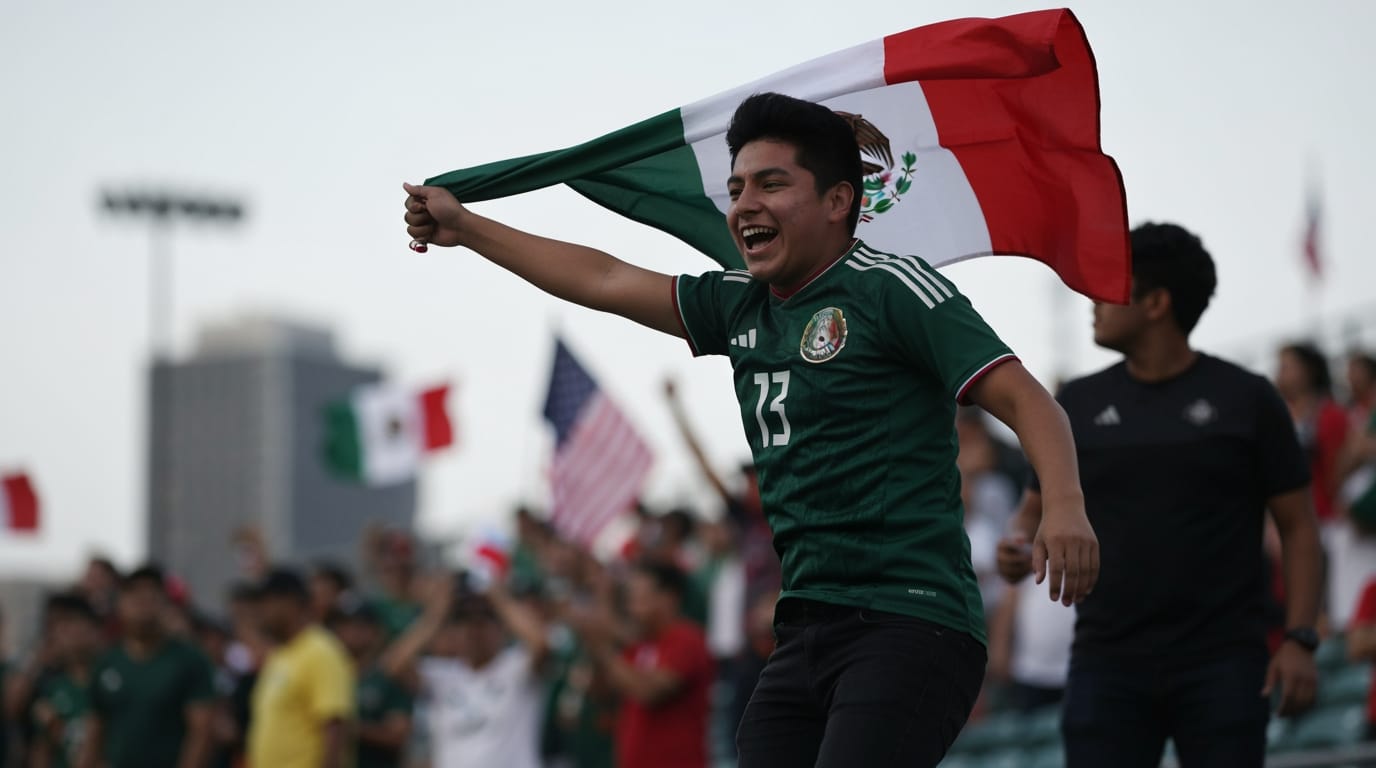
Los Angeles, a vibrant global metropolis, often transforms into a sea of green, white, and red during the FIFA World Cup, unequivocally demonstrating its profound allegiance to the Mexican national soccer team, "El Tri." This deep-seated connection transcends mere fandom, rooted in the city's unique demographics, historical ties, and a powerful sense of cultural identity that makes Los Angeles a de facto home stadium for Mexico, even when El Tri plays thousands of miles away. The passion is palpable, turning watch parties into electrifying celebrations and cementing Mexico's status as LA's undeniable favorite on the world's biggest soccer stage.
Demographic Tapestry and Cultural Resonance
The sheer size of the Mexican and Mexican-American population in Los Angeles forms the bedrock of this unparalleled support. With one of the largest concentrations of people of Mexican origin outside of Mexico City, the city inherently shares a profound cultural and emotional bond with its southern neighbor. This demographic reality means that for millions of Angelenos, cheering for El Tri is not just about supporting a soccer team; it is an affirmation of heritage, a connection to ancestral roots, and a celebration of shared identity. This cultural resonance is so strong that Los Angeles has often been described as having a "de facto third team" presence for Mexico during World Cup matches, creating an atmosphere that mirrors home games regardless of the actual venue.
The fervor is evident in every corner of Southern California following Mexico's victories, with widespread celebrations erupting in predominantly Latino communities from Koreatown to Boyle Heights and Huntington Park. Fans don team jerseys, wave flags, and fill the streets, transforming neighborhoods into spontaneous festivals of national pride. This collective expression of joy underscores how deeply embedded Mexican soccer is within the cultural fabric of Los Angeles.
A Legacy of Support: From Exhibition Matches to Global Stage
The affinity for Mexican soccer in Los Angeles is not a recent phenomenon but a tradition spanning many decades. As early as the late 1940s, international soccer teams, including Atlante of Mexico, began playing exhibition matches in Los Angeles, captivating Mexican-American audiences. These early encounters laid the groundwork for a burgeoning fan base that would only grow stronger with time. Even attempts to establish local soccer teams with a clear Mexican connection, such as the Los Angeles Aztecs in the 1980s, recognized and sought to capitalize on this significant demographic.
Over the years, this support has solidified, turning major tournaments into opportunities for the diaspora to unite. When the Mexican national team plays in the United States, it consistently benefits from a "home game" advantage, largely due to dedicated supporter groups like Pasión 1927 in Los Angeles, who organize tailgates and fill sections of stadiums with enthusiastic chants and songs. This historical context illustrates how generations of Mexican-Americans have maintained and passed down their passion for El Tri, making it an integral part of their family traditions and community life.
Economic and Social Impact of World Cup Fervor
The World Cup's presence, even when Mexico is not directly playing in Los Angeles, significantly impacts the city's economy and social landscape. Los Angeles is poised to host eight matches for the FIFA World Cup 26, including a highly anticipated opening match for the U.S. Men's National Team. These events are projected to inject substantial economic benefits into LA County, with estimates reaching $594 million. This financial boost comes from various sources, including a quarter of a billion dollars in increased wages for Southern California employees across sectors such as hospitality, entertainment, and retail.
World Cup fans are known for their significant spending, with an average of $2,350 per person during their stay, making them more lucrative visitors than typical tourists. The influx of an estimated 180,000 out-of-town visitors during the tournament window contributes to this economic surge, alongside a notable increase in hotel bookings. Beyond the economic figures, the social impact is profound. The World Cup fosters a unique sense of community and pride, bringing diverse populations together, as seen in mixed allegiances during matches involving other teams like South Korea, where cultural connections often lead to shared cheering.
A Unique Allegiance: Beyond Borders
The passionate support for El Tri in Los Angeles often sparks discussions about national allegiance, particularly when Mexico plays against the United States. While some Mexican-Americans also support Team USA, many openly prioritize the Mexican national team, viewing their support as an expression of pride in a community that has historically faced challenges and anti-immigrant sentiment. This unwavering loyalty is not necessarily a rejection of their American identity but rather a celebration of their biculturalism and a connection to a team that embodies resilience and fighting spirit.
The phenomenon is so pronounced that even when Mexico's national team faced periods of fan dissatisfaction, their away games in places like Los Angeles continued to be seen as "home" environments, underscoring the deep bond that persists regardless of the team's performance. This unique allegiance highlights the complex and rich tapestry of identities within Los Angeles, where the World Cup becomes a powerful platform for cultural expression.
Conclusion
Los Angeles' unwavering support for the Mexican national soccer team during the World Cup is a multifaceted phenomenon, deeply woven into the city's demographic landscape, historical narrative, and cultural identity. More than just a preference for a sports team, it represents a vibrant expression of heritage, community, and pride for millions of Angelenos. As the city prepares to host future World Cup matches and continues to serve as a hub for both Mexican and international soccer fans, the green, white, and red banners of El Tri will undoubtedly continue to wave prominently, signifying a connection that transcends geographical borders and celebrates the enduring spirit of a deeply passionate fan base.