Louvre's Apollo Gallery Reopens, Nine Months After Daring Jewel Heist
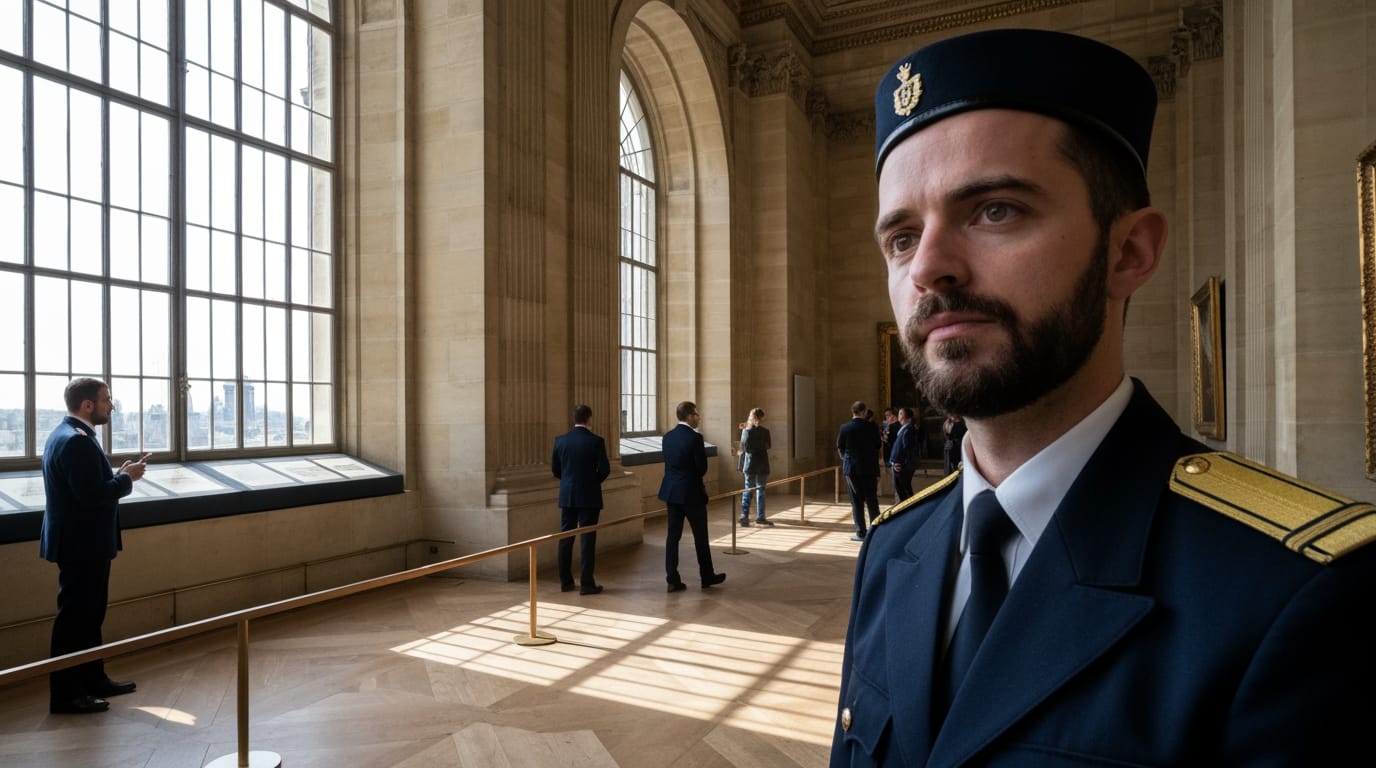
Paris, France – The Louvre Museum's opulent Apollo Gallery has once again welcomed visitors, a significant milestone nine months after it was shuttered in the wake of a brazen daylight heist that saw millions of euros worth of French Crown Jewels stolen. The reopening on July 22, 2026, marks a pivotal moment for the world's most visited museum, signaling both a return to normalcy and a profound recalibration of its approach to security and display. While the gallery's breathtaking Baroque splendor is fully accessible, the precious jewels that once captivated audiences are notably absent, with officials opting for a new presentation that emphasizes the gallery's intrinsic architectural and artistic heritage rather than its former role as a repository for France's royal treasures.
A Grand Reopening, Transformed
The decision to reopen the Apollo Gallery without its celebrated collection of French Crown Jewels underscores a significant shift in the Louvre's exhibition philosophy. Since October 19, 2025, the gallery has remained closed, a stark reminder of the security breach that shocked the art world. Now, visitors are encouraged to immerse themselves in the gallery itself, a masterpiece of 17th-century Baroque design intended to glorify Louis XIV, the "Sun King". The space has been meticulously restored, with its painted and sculpted wall decorations taking center stage, returning the gallery to its original ceremonial purpose as envisioned centuries ago. The gilded ceilings, mythological frescoes, and intricate details by artists like Charles Le Brun and Eugène Delacroix, including Delacroix's monumental "Apollo Slaying the Serpent Python," are now the primary focus. This new presentation highlights the gallery's historical and artistic importance as a precursor to the Hall of Mirrors at the Palace of Versailles. Museum officials have indicated that the surviving Crown Jewels will eventually be moved to a purpose-built, windowless high-security vault elsewhere within the museum, a testament to the heightened security concerns that now permeate the institution.
The Audacious Heist: A Blow to Art Security
The closure followed a meticulously planned and executed robbery on October 19, 2025, which exposed glaring vulnerabilities in the Louvre's security apparatus. A gang of four thieves, disguised as construction workers, utilized a cherry-picker truck to access a vulnerable first-floor window overlooking the Seine. In what French Culture Minister Rachida Dati described as a "four-minute operation," the criminals breached the gallery and made off with eight pieces of the French Crown collection, valued at an estimated €88 million (approximately US$102 million). The stolen items included necklaces, a tiara, a brooch, and other priceless treasures, some dating back to the Napoleonic era. The only item recovered was a damaged emerald-studded crown of Empress Eugénie, found outside the museum. The remaining jewels have yet to be found, and while suspects were arrested and charged, the location of the stolen treasures remains unknown. The heist, which occurred during the museum's regular operating hours, sent shockwaves through the global art community and drew comparisons to the 1911 theft of the Mona Lisa, the last time the museum experienced a crime of such magnitude.
A Legacy of Splendor: The Apollo Gallery's Storied Past
The Galerie d'Apollon holds a profound place in French history and architectural achievement, predating its role as a jewel exhibition space. Its origins trace back to a 16th-century gallery that was rebuilt after a devastating fire in 1661 by King Louis XIV. Louis XIV, who famously identified himself with the sun god Apollo, commissioned the architect Louis Le Vau and his "First Painter," Charles Le Brun, to design a space that would embody the grandeur of his reign. The gallery's elaborate decorations, including celestial themes depicting Apollo's journey across the sky, served as a powerful allegory for the monarch's divine power. The project, though not fully completed in Louis XIV's lifetime, profoundly influenced French classical design, serving as the blueprint for the iconic Hall of Mirrors at the Palace of Versailles. Over centuries, artists like Eugène Delacroix contributed to its splendor, with his magnificent "Apollo Slaying the Serpent Python" taking its place as the ceiling's centerpiece in the 19th century. Since 1887, the gallery has housed the French Crown Jewels, a collection that has itself endured a tumultuous history of theft, dispersal, and sales over the centuries.
Reassessing Defenses: A New Era of Museum Security
The October 2025 heist served as a brutal wake-up call, accelerating long-overdue security upgrades at the Louvre. A French parliamentary inquiry conducted after the theft concluded that security at the museum had been neglected for years despite repeated warnings. Louvre Director Laurence des Cars acknowledged these failings and swiftly announced a comprehensive €80 million (approximately $92 million) security overhaul. Immediate actions included the installation of metal bars on the previously vulnerable window used by the thieves, and a mobile police unit has been stationed near the museum's iconic glass pyramid. The broader plan involves the deployment of around 100 new surveillance cameras by the end of 2026, enhanced anti-intrusion systems, and a new "security coordinator" position reporting directly to the director's office. These measures are part of a larger "Louvre New Renaissance" plan, a decade-long initiative aimed at modernizing infrastructure and improving visitor experience, with security now a paramount concern. The incident has also sparked a global debate among museum professionals regarding the balance between accessibility and security, highlighting a growing trend of "smash-and-grab" thefts where speed and force override traditional stealth.
Beyond the Jewels: A Renewed Focus on Art and Resilience
The reopening of the Apollo Gallery, sans its celebrated jewels, symbolizes the Louvre's resilience and its renewed commitment to safeguarding its unparalleled collection. While the hunt for the stolen treasures continues, the museum has pivoted to emphasize the inherent artistic and historical value of the gallery itself. This transformation invites visitors to appreciate the Baroque masterpiece as an artwork in its own right, a space that once served as a stage for royal power and artistic innovation. The painful lessons of October 2025 have undeniably reshaped the Louvre, ushering in an era of enhanced vigilance and a deeper introspection into how institutions protect their invaluable heritage while continuing to engage and inspire the public.