Makerfield By-Election Propels Burnham to Westminster, Ignites Leadership Crisis for Prime Minister Starmer
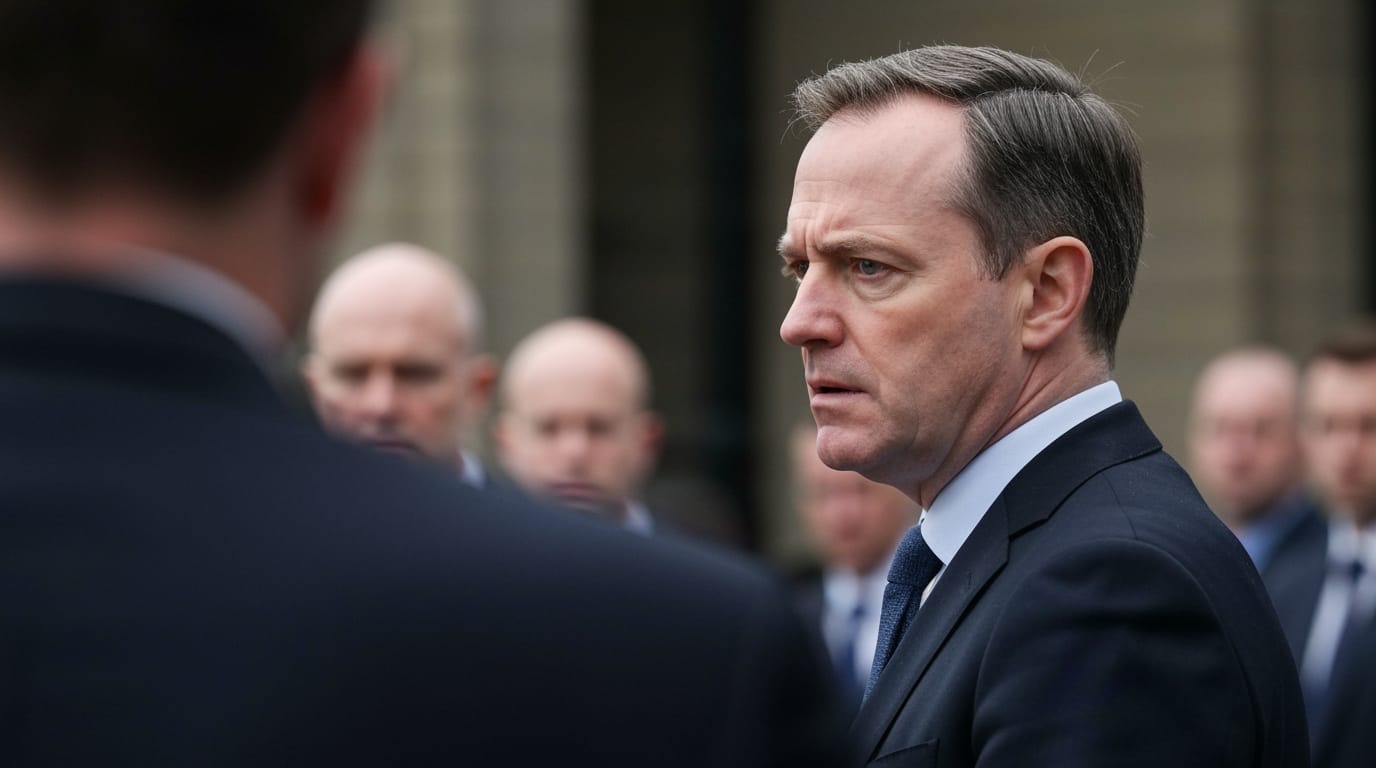
LONDON, UK – A special parliamentary by-election in Makerfield, Greater Manchester, has sent seismic shockwaves through the heart of British politics, culminating in a commanding victory for Andy Burnham and directly challenging the embattled leadership of Prime Minister Keir Starmer. Burnham, the popular Mayor of Greater Manchester, secured the seat with a decisive majority on June 19, 2026, marking his strategic return to Westminster and setting the stage for an imminent and unprecedented leadership contest within the governing Labour Party. The result has forced Starmer into a period of intense reflection on the "political realities" facing his administration, with reports indicating a potential announcement regarding his future as early as Monday.
The meticulously orchestrated by-election, triggered by the resignation of the incumbent Labour MP Josh Simons, was widely interpreted as a direct pathway for Burnham to challenge Starmer. Its outcome has transformed the political landscape, placing immense pressure on Starmer, whose premiership, despite a landslide general election victory in 2024, has been under increasing strain.
The Makerfield Mandate: A Resounding Victory
Andy Burnham's triumph in Makerfield was not merely a by-election win; it was a statement of intent. Securing 55% of the vote, Burnham achieved a commanding majority of over 9,000 votes against his closest rival, Reform UK. This result notably expanded Labour's vote share by 10 percentage points compared to the 2024 general election in the same constituency, pushing Labour's lead over Reform from 13 to 20 points. The turnout of 58.8% was exceptionally high for a by-election, marking the highest since 1982 and underscoring the national significance attributed to this particular contest.
Makerfield, a traditionally Labour-held constituency in Greater Manchester, is a significant "red wall" seat that overwhelmingly voted to leave the European Union in 2016. The area had recently seen Reform UK make significant gains in local elections, making Burnham's victory over the party particularly impactful. His success in a constituency where Reform had a strong base is seen as a validation of his appeal and a potential blueprint for counteracting the challenge from the right-wing party. The result demonstrated that a popular, local Labour figure could galvanise support even in areas that have shown disillusionment with mainstream politics.
Starmer's Waning Authority and the Gathering Storm
Prime Minister Starmer's position has become increasingly precarious since leading Labour to a significant general election victory in July 2024, securing 411 seats and a simple majority of 172. Despite this initial mandate, his popularity has reportedly cratered, and his authority has been under considerable pressure. Mounting calls for his resignation intensified following a dismal performance by Labour in May's local elections.
Before the Makerfield by-election, Starmer had publicly cautioned Burnham against using a victory as a stepping stone for a leadership bid. However, in the wake of Burnham's overwhelming success, Starmer's tone has shifted from initial defiance to one of contemplation. While he congratulated Burnham on his "very good victory" and described the contest as "a real battle of Labour values against divisive Reform values," he also reiterated his commitment to fighting any leadership challenge. Yet, by Sunday, June 21, cabinet ministers confirmed that Starmer was "reflecting on political realities," fueling widespread speculation that he might announce a timetable for his departure on Monday. This pivot highlights the profound impact of the Makerfield result and the deepening crisis within the Labour Party. Reports also suggest that Starmer's handling of significant appointments, such as that of Peter Mandelson as U.S. ambassador, has contributed to calls for his resignation.
The "King of the North" Returns to Centre Stage
Andy Burnham, often dubbed the "King of the North," returns to Westminster after nearly a decade, having served as the Mayor of Greater Manchester since 2017. During his tenure as mayor, he cultivated a reputation as a pragmatic and populist leader, focusing on regional development and critiquing "London-centric politics." Burnham's "Manchesterism" philosophy, which he has pledged to bring to a national scale, advocates for re-industrialising the north of England and challenging "trickle-down" economics.
His successful return to Parliament was a calculated move. Under Labour rules, a potential challenger for the party leadership must be a Member of Parliament. With the Makerfield victory, Burnham is now formally positioned to trigger a leadership contest, which requires the backing of at least 81 Labour MPs. Political analysts suggest he has garnered more than enough support to initiate such a challenge, signalling an imminent showdown for the party's top job. Burnham's previous parliamentary career included serving as MP for Leigh and holding various cabinet positions, including Secretary of State for Health. His deep experience and established political profile make him a formidable contender against Starmer.
Broader Implications for Labour and the UK
The Makerfield by-election and its aftermath represent a pivotal moment for the Labour Party and the broader political direction of the United Kingdom. Should a leadership contest ensue, it would occur unusually early in a Labour government's term, underscoring significant internal discontent. Burnham's platform, advocating for an end to "40 years of neoliberalism" and a shift towards more left-leaning policies, suggests a potential ideological reorientation for the party. This has reportedly caused some concern among economists and financial markets regarding his potential economic approach.
The unfolding events could lead to a significant reshaping of British politics. A successful challenge by Burnham could see a renewed focus on regional inequalities and a more interventionist approach to economic policy. It also tests the resilience of the Labour Party's unity and its ability to manage internal dissent while governing. Starmer's current deliberations highlight the gravity of the situation and the immense pressure on him to navigate a path forward that could either shore up his leadership or pave the way for a new era under Andy Burnham. The nation now watches closely as the implications of the Makerfield vote continue to ripple through Westminster, potentially redefining the future of the governing party and the country.


