May Day Unfurls Global Tapestry of Protest and Celebration Amidst Mounting Tensions
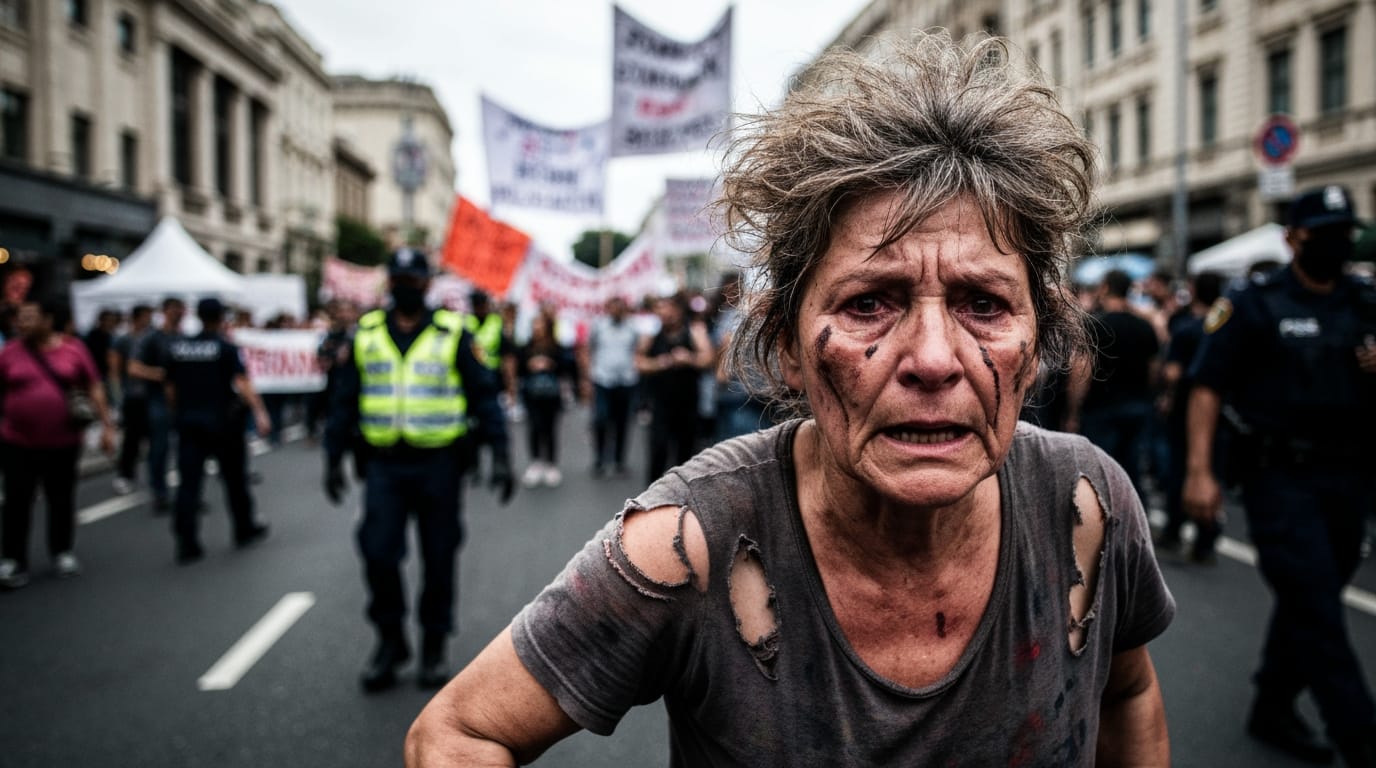
May Day, historically a beacon for workers' rights and a vibrant celebration of spring, once again unfurled a complex global tapestry of demonstrations, cultural festivities, and, in many urban centers, confrontations and arrests. From the bustling streets of Paris and Istanbul to the organized rallies in Seoul and American cities, the first day of May served as a powerful platform for expressing diverse social, economic, and political grievances, alongside enduring traditions of communal revelry.
International Workers' Day, also known as Labour Day in many nations, commemorates the historic struggles and achievements of the labor movement. Its roots trace back to the United States, specifically to the 1886 Haymarket Affair in Chicago, where workers rallied for an eight-hour workday, culminating in a violent clash and fatalities. This pivotal event led the Second International, a federation of socialist groups and trade unions, to designate May 1st as a day in support of workers in 1889. While numerous countries recognize May 1st as a public holiday, allowing for widespread participation in demonstrations, the United States and Canada observe a similar Labor Day in September. Beyond its industrial origins, May Day also retains older traditions rooted in ancient European spring festivals, celebrating the transition from spring to summer with various cultural practices. This dual heritage underscores the day's enduring significance as a moment for both critical reflection on societal structures and joyful community gathering.
A Global Chorus of Grievances and Demands
Across continents, the themes echoing through May Day rallies revealed a collective dissatisfaction with prevailing economic conditions and calls for governmental accountability. In European capitals like Paris, protesters rallied under the banner of "bread, peace and freedom," directly linking daily concerns of workers to ongoing international conflicts in Ukraine and the Middle East. Workers in France, in particular, voiced strong opposition to labor law changes and highlighted struggles for better pay and working conditions. Concerns over rising living costs, often exacerbated by energy prices tied to geopolitical events, were a central issue for many, leading to widespread calls for higher wages and improved purchasing power.
In Asia, from Seoul to Jakarta and Manila, demonstrations centered on criticisms of government policies, demanding higher wages, lower taxes, and stronger protections for worker rights. Activists in the Philippines, for instance, denounced foreign military involvement and called for a focus on domestic needs. The global nature of these economic pressures was evident as many workers, including those in Indonesia, sought stronger government intervention to protect against rising prices and difficulties in accessing raw materials.
In the United States, despite May Day not being a federal holiday, labor unions and activist groups orchestrated thousands of events under the theme "workers over billionaires." These demonstrations emphasized taxing the wealthy, advocating for stronger worker protections, and opposing specific federal policies impacting working Americans and immigrants. The call for an "economic blackout" — encouraging "no school, no work, no shopping" — underscored a strategy to highlight the critical role of labor and consumer power. Immigration policies and the treatment of undocumented workers remained a significant focus, particularly in cities with large immigrant populations, reflecting a long-standing interconnection between labor and immigrant rights movements.
Confrontation and Control: The Line Between Protest and Policing
While many May Day gatherings proceeded peacefully, the day was also marked by instances of tension and direct confrontation between demonstrators and law enforcement, leading to numerous arrests across various cities. In Istanbul, Turkish authorities frequently restricted access to the historically significant Taksim Square, leading to clashes as protesters attempted to defy bans. Police responded with measures such as tear gas and rubber bullets to disperse crowds. Similar scenes unfolded in Paris, where groups of protesters engaged in property damage and threw projectiles at officers, resulting in police deploying tear gas and truncheons. Hundreds of arrests were reported in Paris alone, with authorities noting the presence of "radical activists" among the marchers.
In the United States, cities like Portland saw May Day activities escalate from mostly peaceful daytime marches to nighttime conflicts. Incidents of vandalism, arson, and assaults on officers led police to declare riots and make arrests. In one instance in 2021, six individuals were arrested for charges including criminal mischief and resisting arrest after windows were broken and buildings spray-painted. In another year, 25 people were arrested in Portland after a protest turned into a riot, involving the hurling of rocks and fireworks at officers, and vandalism of storefronts and vehicles. Elsewhere in the US, arrests also occurred in places like Olympia, Washington, and Oakland, California, often tied to property damage or attempts to block access to buildings. These confrontations underscore the persistent challenges authorities face in managing large-scale demonstrations, particularly when segments of the protest turn confrontational.
Celebrating Culture and Community
Beyond the protests, May Day continued its ancient role as a celebration of spring and community in many parts of the world. Traditional observances often include maypole dancing in England, the ancient Celtic fire festival of Beltane in Ireland and Scotland, and Walpurgisnacht in Germany and Scandinavia. These cultural traditions, often steeped in pagan roots, provide a contrast to the modern labor movement's focus, highlighting the multifaceted nature of the holiday. In some regions, May Day festivities involve parades, picnics, and parties, uniting communities in joyful celebrations. The Catholic Church also dedicates May 1st to "Saint Joseph the Worker," offering a religious observance that acknowledges the dignity of labor.
Conclusion: A Day of Unwavering Significance
May Day remains an profoundly significant day on the global calendar, uniquely intertwining the historical struggle for workers' rights with contemporary calls for justice and traditional spring celebrations. It serves as an annual barometer of societal pressures, reflecting widespread concerns over economic inequality, working conditions, and broader political issues. Whether through organized marches, widespread "economic blackouts," or vibrant cultural festivals, the first of May consistently amplifies the voices of the people, demonstrating an unwavering commitment to dignity, equity, and a better future. The blend of celebration, dissent, and occasional conflict reaffirms May Day's role as a powerful, recurring testament to human aspiration and the ongoing pursuit of societal change.