Meta CEO Faces Scrutiny in Landmark Social Media Addiction Trial
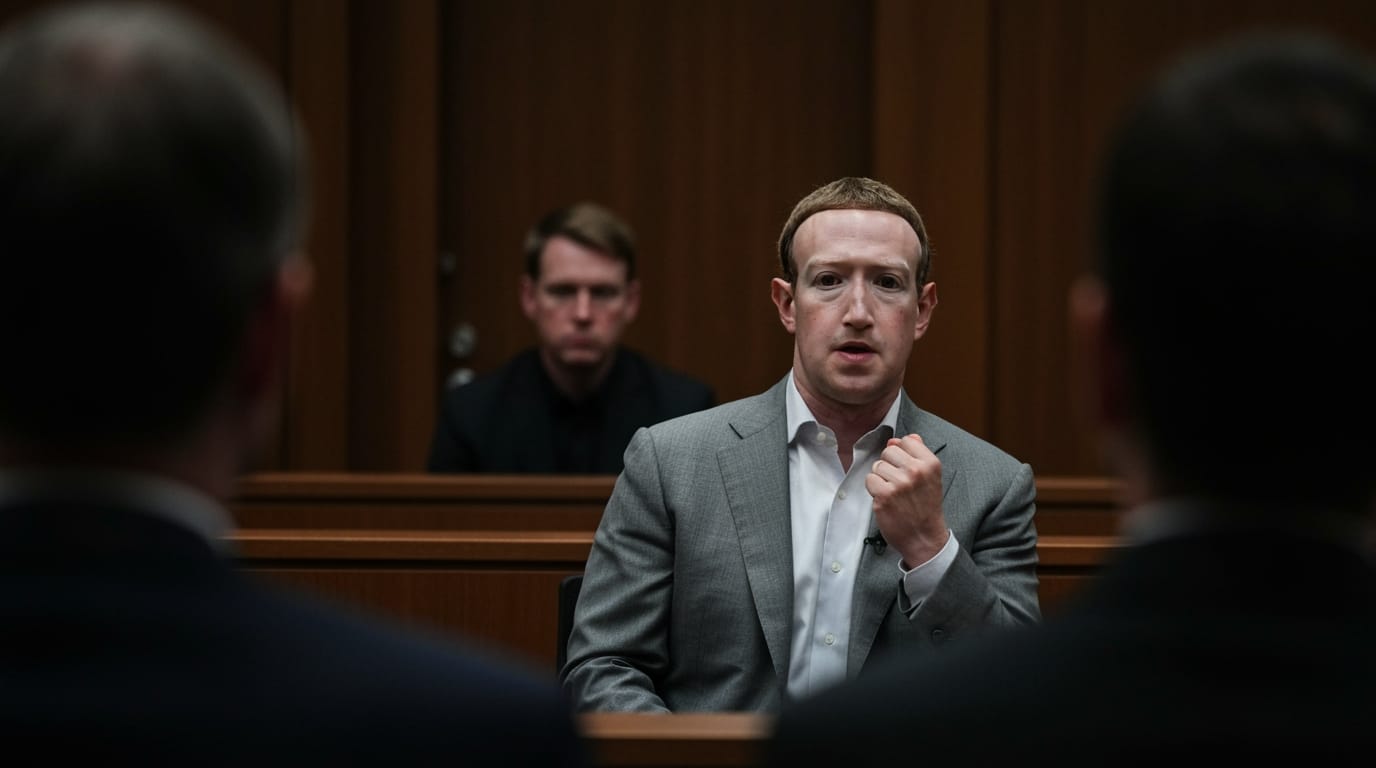
LOS ANGELES – Mark Zuckerberg, the chief executive of Meta Platforms, appeared in a Los Angeles courtroom Wednesday to defend his company against claims that its social media applications are intentionally designed to be addicting and harmful to young users. The high-stakes testimony marks a pivotal moment in a bellwether trial, one of more than 1,600 consolidated lawsuits alleging that major tech companies knowingly created dangerous products that contribute to mental health issues among children and adolescents. The presence of the tech titan underscored the gravity of the legal battle, pitting corporate innovation against growing concerns over digital well-being.
The Courtroom Confrontation
Zuckerberg’s appearance on the witness stand in Los Angeles County Superior Court involved an extended and at times pugnacious exchange with the plaintiff’s attorneys. He was questioned intensely about Meta's age verification policies, internal goals related to user engagement, and prior public statements. The plaintiff’s legal team, led by attorney Mark Lanier, pressed Zuckerberg on whether Meta's platforms, particularly Instagram, were engineered to maximize user time, even at the expense of well-being.
During his testimony, Zuckerberg contended that Meta's platforms have a clear policy prohibiting users under the age of 13. He explained that if a product is not beneficial for people, they will eventually cease to use it, suggesting that Meta's long-term interest aligns with user happiness, not merely maximizing short-term engagement. He further asserted that Meta does not set goals for the amount of time individuals spend on Instagram each month. Zuckerberg also indicated that enforcing age limits would be significantly easier if device manufacturers such as Apple and Google shared parental control settings with social media companies when applications are downloaded.
Attorneys for the plaintiff also probed Zuckerberg about his media training and coaching, implying that his testimony was carefully curated. He pushed back against these suggestions, characterizing such feedback as mere guidance rather than a prescriptive script. He affirmed his belief that a responsible company should strive to assist its users, rather than exploit them.
The courtroom atmosphere was charged, with Judge Carolyn B. Kuhl issuing a stern warning to attendees about wearing Meta's artificial intelligence glasses. She emphasized that no facial recognition of the jury would be tolerated, ordering that any such recordings be deleted, highlighting the unique challenges of navigating technology in legal proceedings.
The Stakes: A Bellwether Case
This particular lawsuit, brought by a 20-year-old woman identified as Kaley G.M., serves as a bellwether trial, meaning its outcome could significantly influence how thousands of similar cases against social media companies proceed nationwide. Kaley G.M. alleges that her prolonged use of Instagram, which began when she was 9 years old, led to addiction, exacerbated depression, and contributed to suicidal ideation.
Meta Platforms, the parent company of Instagram, and Google's YouTube are the remaining defendants in the current trial. Other prominent social media companies, TikTok and Snap, have already settled out of court. The lawsuits broadly contend that these platforms were deliberately designed with features intended to snare young users and maintain their engagement for extended periods.
This trial marks the first time Zuckerberg has testified before a jury specifically regarding these addiction claims, though he previously faced a congressional hearing in 2024 where he apologized to families affected by tragedies they attributed to social media use. The legal proceedings highlight a growing societal debate about the responsibility of tech companies for the mental health impacts of their products on younger demographics.
Industry Defense and Broader Implications
Meta's defense strategy acknowledges the mental health struggles experienced by the plaintiff but disputes that Instagram was a substantial causative factor. One of Meta's attorneys, Paul Schmidt, pointed to the plaintiff's medical records, which reportedly detail a turbulent home life, suggesting that she may have turned to social media platforms as a coping mechanism or a means of escape from pre-existing struggles. This argument attempts to decouple the platform's design from the specific mental health challenges presented by the plaintiff.
The head of Instagram, Adam Mosseri, also testified earlier in the trial, asserting that he disagrees with the notion that individuals can become clinically addicted to social media platforms. While acknowledging that "problematic use" of Instagram can occur, Mosseri maintained that the company diligently works to protect its younger users, stating that it is not beneficial for the company in the long run to make decisions that prioritize profit over user well-being. He also noted that the Instagram Kaley G.M. began using years ago was significantly different from the platform as it exists today, implying an evolution in safety features and policies.
The legal proceedings underscore the complex interplay between platform design, individual vulnerabilities, and parental oversight. The discussion around "addiction by design" challenges the tech industry to reassess its development practices and consider the potential long-term psychological effects of its products, particularly on developing minds.
Public Perception and the Future Landscape
Public sentiment surrounding Mark Zuckerberg and large tech companies remains a significant backdrop to the trial. A recent study by the nonpartisan Pew Research Center indicated that a substantial majority of American adults hold an unfavorable view of Zuckerberg. This broader public distrust may factor into how the jury perceives the arguments presented by both sides.
The outcome of this bellwether trial holds immense implications for the future regulatory landscape of social media. A verdict favoring the plaintiff could open the floodgates for further legal challenges and potentially lead to new legislation governing platform design, age verification, and content moderation aimed at protecting minors. Conversely, a defense victory could embolden tech companies to continue their current practices, though public and political pressure for greater accountability is unlikely to subside. The ongoing legal battle reflects a societal reckoning with the pervasive influence of social media and the difficult questions it raises about corporate responsibility and digital citizenship for the youngest generations.