Milan Cortina 2026 Kicks Off with Historic Multi-Site Opening Extravaganza
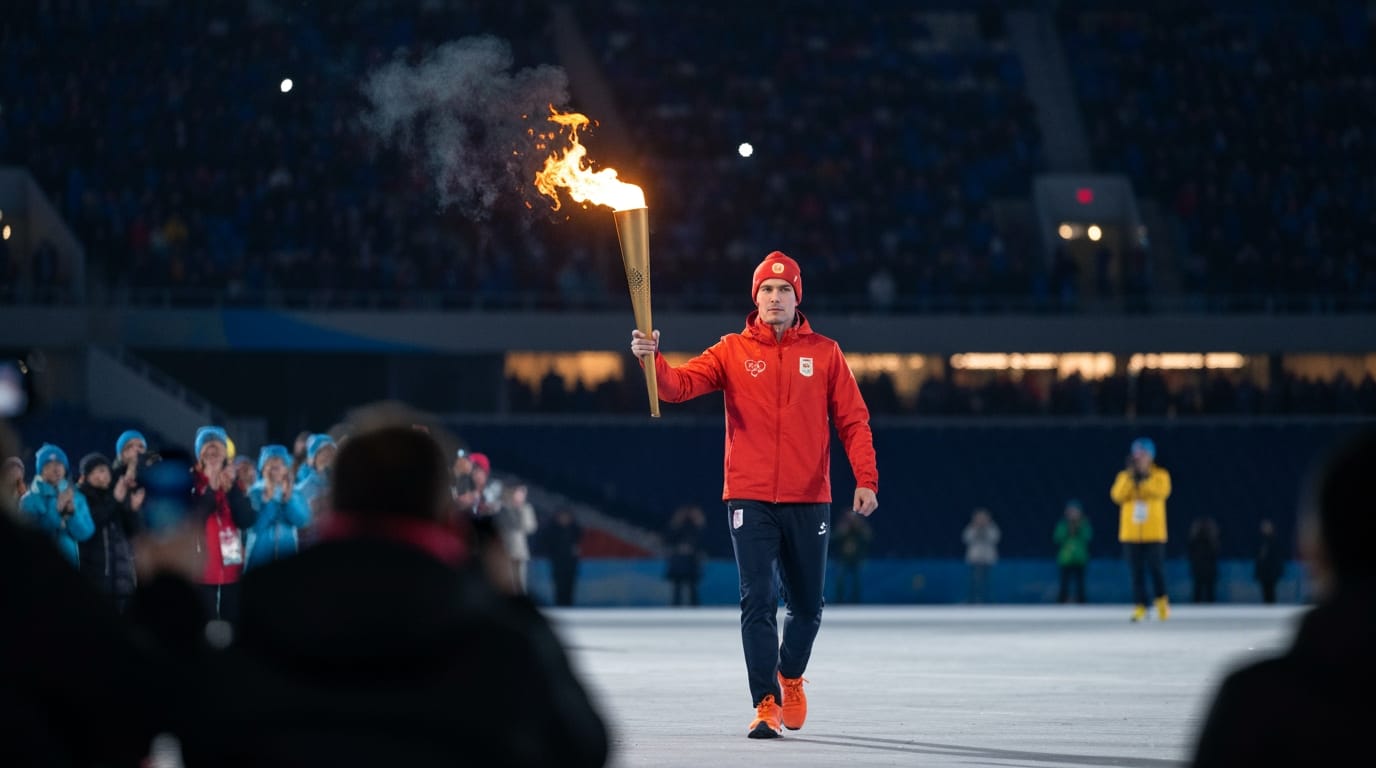
Milan, Italy – The 2026 Winter Olympics officially roared to life today, February 6, with an unprecedented and geographically distributed opening ceremony that seamlessly blended Italy’s rich cultural heritage with innovative technology and a poignant message of global harmony. For the first first time in Olympic history, the traditional curtain-raiser unfolded across multiple locations, with Milan's iconic San Siro Stadium serving as the main stage, while symbolic events simultaneously captivated audiences in Cortina d'Ampezzo, Livigno, and Predazzo, setting a new benchmark for Olympic spectacles.
A Grand Unveiling Across Italy's Diverse Landscapes
The choice to host a distributed opening ceremony reflects the unique geographical spread of the Milan Cortina 2026 Games, which encompass a vast 8,500-square-mile area stretching from the bustling metropolis of Milan to the majestic peaks of the Dolomites. This innovative approach allowed the Olympic spirit to radiate far beyond a single venue, engaging local communities and ensuring athletes from mountain sports could participate in the festivities closer to their competition sites without arduous travel. While the historic San Siro Stadium, a century-old coliseum slated for future replacement, hosted the primary events and the Olympic flame for the first time, mini-ceremonies and athlete parades also captivated crowds in the picturesque Alpine towns of Cortina d'Ampezzo, Livigno, and Predazzo. This grand decentralization underscored a commitment to inclusivity, taking the Olympic celebration directly to the heart of the territories hosting the Games.
Symbolism and Spectacle: Harmony Takes Center Stage
At the core of this year's ceremony was the overarching theme of "Harmony," a message that resonated deeply amidst a global backdrop often marked by discord. Creative director Marco Balich emphasized the renewed urgency of the ancient Olympic Truce, a tradition promoting peace and dialogue through sport, making it a focal point of the event. This powerful theme was visually manifested through a groundbreaking innovation: the lighting of two simultaneous Olympic cauldrons for the very first time. One cauldron ignited at the Arco della Pace in Milan, an iconic city landmark, while its twin flared to life at Piazza Dibona in Cortina d'Ampezzo, nestled in the Dolomite mountains. These dual flames, conceived as an homage to Leonardo da Vinci's geometric studies and his famed knots symbolizing harmony between nature and human ingenuity, represent the profound unity between the two host cities and the distributed nature of the Games. Crafted from aeronautical aluminum, these dynamic structures boast an intricate mechanical system with 244 articulation points and 1,440 components, designed to expand and contract, cradling the flame within a glass and metal container. Beyond their initial illumination, the Milan cauldron at Arco della Pace will become a public spectacle, featuring daily 3-5 minute shows accompanied by music, continuing until the Olympic flame's extinguishing on February 22. The ceremony was further enriched by a star-studded lineup of performers, including five-time Grammy Award-winner Mariah Carey, Golden Globe winner Laura Pausini, and legendary Italian tenor Andrea Bocelli, ensuring a captivating visual and auditory experience for audiences worldwide. A poignant tribute was also paid to the late Italian fashion icon Giorgio Armani, whose enduring legacy as a founder of Italian ready-to-wear is inextricably linked to Milan and who long designed the Italian Olympic team's uniforms.
The Global Procession: Athletes Unite Across Northern Italy
A highlight of any Olympic opening ceremony, the Parade of Nations took on a unique character in Milan Cortina, with athlete processions occurring across the four main locations. Ninety-two delegations proudly marched, each permitted two flagbearers, a privilege extended to four for the host nation, Italy. The procession adhered to the traditional alphabetical order based on the Italian language, commencing with Greece and culminating with the Italian contingent. The United States delegation was notably led by Vice President JD Vance, accompanied by his wife Usha Vance, Secretary of State Marco Rubio, and Ambassador Tilman Fertitta. Representing Team USA with the esteemed role of flagbearers were bobsledder Frank Del Duca and gold medalist Erin Jackson, leading their compatriots with pride. The multi-site parade fostered a more intimate connection between athletes and local spectators, offering a distinct departure from previous Games. This human element was further underscored by stories emerging even before the official start, such as 41-year-old American alpine skier Lindsey Vonn, who, despite rupturing her anterior cruciate ligament just a week prior, bravely completed an aggressive downhill training run in Cortina d'Ampezzo, demonstrating the unwavering spirit of Olympic competitors.
Beyond the Glare: Preparation, Challenges, and Enduring Legacy
The spectacular opening ceremony marked the culmination of nearly seven years of meticulous preparation since Milan and Cortina d'Ampezzo were awarded the Games on June 24, 2019. Italy has undertaken extensive efforts, including the recruitment of tens of thousands of organizing and volunteer staff, the construction of new venues, and significant upgrades to existing infrastructure. More than 1,200 volunteers dedicated months to rehearsing for today's show, ensuring a flawless execution of the intricate performances. The logistical complexity of staging the most geographically dispersed Olympics in history presents both opportunities and challenges. While it allows for greater regional engagement, it also demands sophisticated coordination across varied terrains and communities. A prevailing concern for these Winter Games, particularly in mountain venues like Cortina d'Ampezzo, is the impact of warming temperatures, which necessitates reliance on artificial snow and careful management of conditions to prevent ice and slush. These Games, the 25th edition of the Winter Olympics, mark Italy's return to hosting the event for the first time since Turin in 2006, carrying with them the aspirations of a nation eager to showcase its capabilities and hospitality on the world stage.
The Milan Cortina 2026 Opening Ceremony has delivered a powerful overture to the Games, characterized by its innovative multi-site approach, its profound thematic message of harmony, and its vibrant celebration of Italian culture. From the dual cauldrons symbolizing unity to the distributed parade of nations, the event successfully redefined the traditional Olympic curtain-raiser. As the Olympic flame now burns brightly across two distinct Italian landscapes, it sets the stage for two weeks of unparalleled athletic competition, embodying the enduring ideals of sport, peace, and global camaraderie. The world now eagerly anticipates the athletic feats and human stories that will unfold against Italy's stunning backdrop.