Mounting Frustration Grips Russia as Economic Hardship and War's Toll Deepen
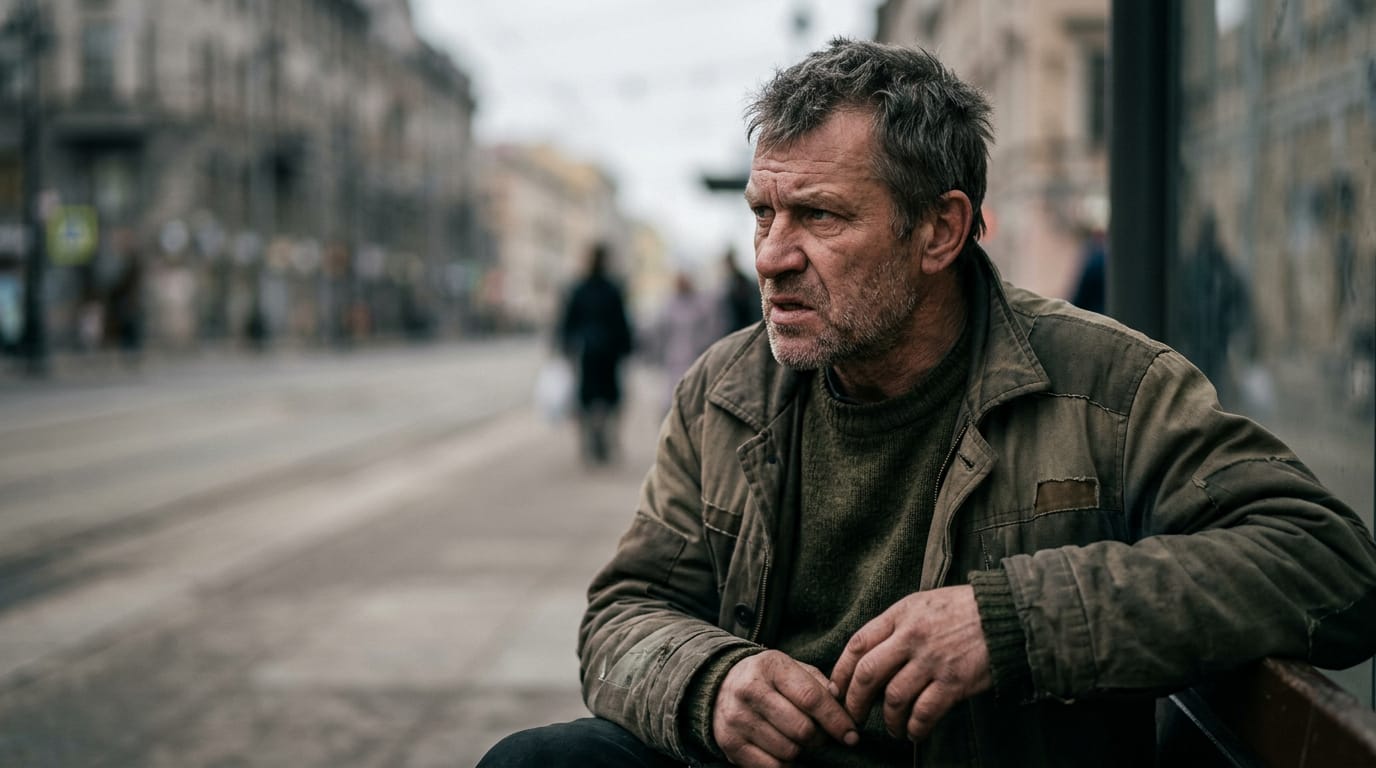
Moscow, Russia – A palpable shift in public sentiment is emerging across Russia, with growing frustration among citizens fueled by a confluence of economic pressures, increasing internet restrictions, and the undeniable impact of the ongoing conflict in Ukraine. For the first time in four years of full-scale war, President Vladimir Putin's approval ratings are showing a steady decline, a development even state-run pollsters are now recording, signaling a potential erosion of the Kremlin's long-held narrative of stability. Reports indicate that rising costs, critical fuel shortages, and the increasing personal toll of the conflict are pushing many Russians to express discontent, often online, despite the significant risks involved.
The Unprecedented Dip in Approval
For years, President Putin's approval ratings remained remarkably resilient, often hovering comfortably above 70 percent even amidst international sanctions and the prolonged conflict in Ukraine. However, recent data from Russia's own state pollster now reveals a consistent downward trend, with support falling to its lowest level since before the full-scale invasion of Ukraine more than four years ago. While still high for a European leader at 65.1 percent as of mid-July 2026, analysts point to this steady slide as a significant indicator that the "rally-around-the-flag" effect, which often boosts leadership popularity during times of conflict, may be starting to fade. Experts suggest this decline reflects a growing inability for the Kremlin to shield ordinary Russians, particularly those in larger cities, from the war's tangible effects on their daily lives.
Economic Strain Reaches Critical Levels
The economic landscape in Russia is becoming increasingly challenging for its citizens, a primary driver of the burgeoning public anger. The national budget deficit for 2026 has already surpassed its annual target within the first three months of the year, a clear sign of financial stress. This fiscal strain directly translates into hardship for households, with prices for essential goods and services escalating sharply. Between January 2022 and January 2026, the cost of food, housing, and heating rose by nearly 40 percent.
Adding to this burden, Russia, one of the world's largest energy producers, is grappling with severe fuel shortages. Videos circulating online depict kilometer-long queues at gas stations, with the resulting loss of personal mobility exacerbating public frustration. This fuel crisis, partly triggered by Ukrainian drone attacks, is now being felt far beyond the battlefield, deeply affecting the lives of ordinary citizens. The economic fatigue is becoming "much, much tougher" for the general population, making it increasingly difficult for the government to maintain the facade that everything is proceeding as planned.
The War Comes Home: A Shifting Perception
The conflict in Ukraine, once presented by the Kremlin as a distant defensive operation, is increasingly impacting life within Russia's borders. While many Russians initially accepted the Kremlin's narrative or simply tuned out the war when it had little personal cost, this is no longer the case. Ukraine's strategy of attacking Russian oil facilities and increasing drone strikes, even in major cities like Moscow, means more Russians are now experiencing the war's consequences firsthand. This direct exposure is a significant factor in the changing public mood, compelling individuals to confront the realities of the ongoing hostilities.
Furthermore, there is an "overwhelming fear" among the populace of another wave of mobilization, a prospect that President Putin has reportedly sought to avoid due to the widespread unpopularity of the first partial mobilization. The return of more body bags from the front lines also serves as a stark reminder of the war's human cost, further contributing to a sense of insecurity and dissatisfaction. While overt anti-war sentiment may not be universal, a growing number of Russians are reportedly supporting an end to the conflict or advocating for negotiations, a notable shift from previous unwavering support or indifference.
Suppressing Dissent in an Age of Discontent
In parallel with the rising public frustration, the Russian government continues its efforts to control information and suppress dissent. Internet restrictions are becoming more pervasive, and pressure on businesses is intensifying. Openly criticizing the government, President Putin, or the war carries severe risks, with hundreds already imprisoned for expressing opposition to what the Kremlin terms a "special military operation." Gauging genuine public opinion has become significantly more challenging since the start of the conflict due to these repercussions.
The suppression of political opposition is also evident. Russia's Supreme Court recently barred Yabloko, previously the country's last registered anti-war party, from participating in parliamentary elections, citing alleged campaign violations. Critics view this action as the removal of one of the few remaining legal channels for Russians to express opposition to the war. While Yabloko may have been electorally weak, its growing online support due to its anti-war stance made it a perceived threat, underscoring the Kremlin's nervousness about any platform for dissenting voices, especially amidst shifting public sentiment. Despite the risks, isolated acts of defiance, such as protests outside the court, demonstrate that anti-war sentiment persists and can unite people, making authorities uneasy.
A Nation at a Crossroads
The accumulating economic hardships, the personal toll of the war, and the ongoing restrictions on information and political expression are creating a complex and volatile environment within Russia. The steady decline in President Putin's approval ratings, even from state-backed sources, indicates that the Kremlin's efforts to isolate the population from the conflict's negative consequences are becoming less effective. As the economic situation continues to deteriorate and the war's impact becomes more gravely felt, the mood in the country could undergo further significant changes. While the ability of public frustration to translate into widespread political change remains uncertain given the tight controls, the current trends suggest a growing unease that the government must contend with.