Musk's X Sues Modi Government Over Alleged Censorship in India
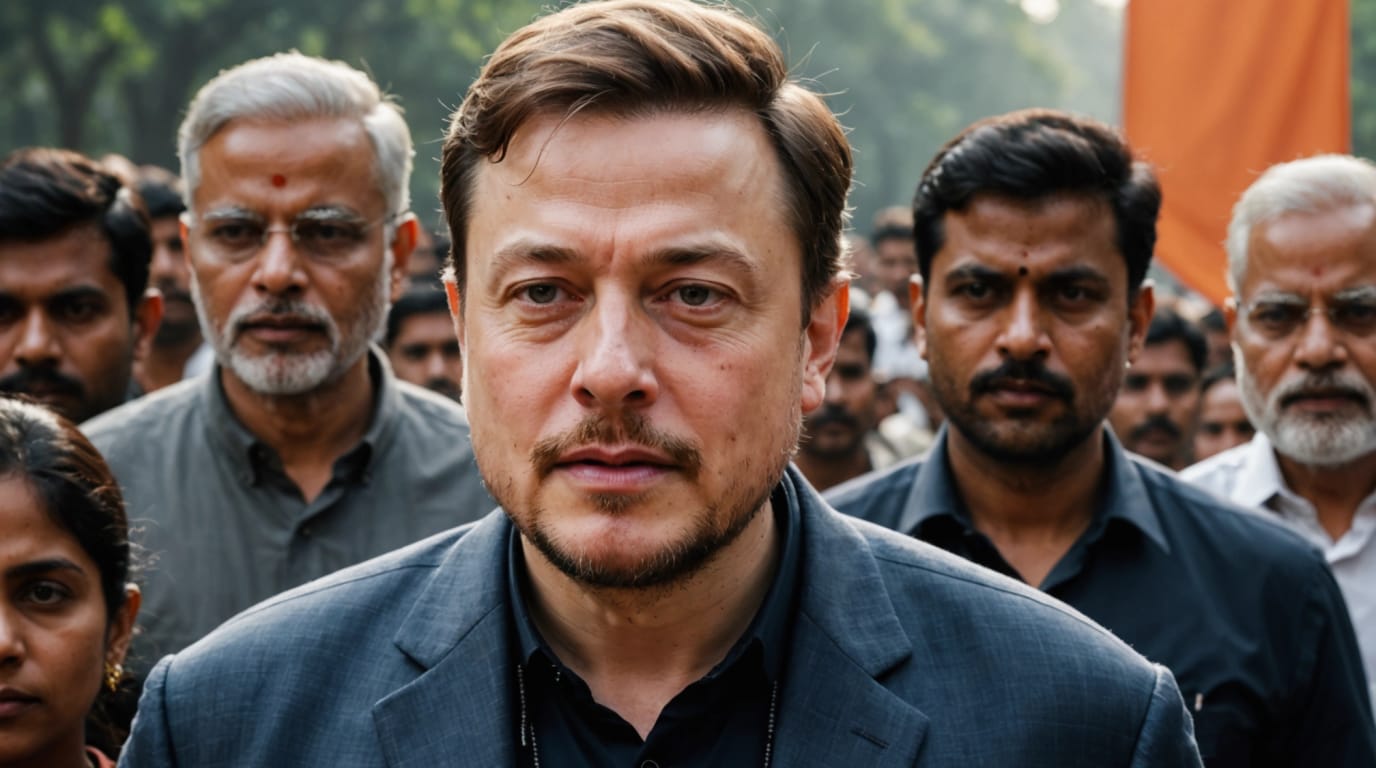
Elon Musk's social media platform X, formerly known as Twitter, has escalated its battle against the Indian government, filing a lawsuit that alleges unlawful content regulation and arbitrary censorship. The move marks a significant challenge to Prime Minister Narendra Modi's administration and raises concerns about freedom of expression in one of the world's largest democracies.
Challenging the IT Act
At the heart of the dispute is the Indian government's interpretation and application of the Information Technology (IT) Act, specifically Section 79(3)(b). This section mandates that online platforms remove illegal content when directed by the government, or risk losing their "safe harbor" protection, which shields them from liability for user-generated content. X argues that the government is misusing this provision to bypass the structured legal process outlined in Section 69A of the same act, which requires judicial oversight and justification based on threats to national security, sovereignty, or public order.
X contends that the government is creating a "parallel" and "unlawful" censorship regime by demanding the removal of content deemed unlawful under any law, without adhering to the safeguards предусмотренные Section 69A. The company claims this approach contradicts a 2015 Supreme Court ruling in the Shreya Singhal case, which established that content can only be blocked through a proper judicial process or the legally defined route under Section 69A.
The Sahyog Portal Controversy
Adding fuel to the fire is the government's creation of the Sahyog portal, managed by the Indian Cyber Crime Coordination Centre (I4C). X alleges that this portal serves as a "Censorship Portal," enabling the government to issue takedown orders without the necessary legal safeguards. The company has also resisted pressure to appoint a "nodal officer" to ensure compliance with these orders, arguing that it is an "impermissible" demand.
X's lawsuit claims that the Sahyog Portal creates an "impermissible parallel mechanism" to Section 69A, violating the Constitution, IT Act, Blocking Rules, and the Supreme Court's ruling in Shreya Singhal. The company argues that the government is attempting to do indirectly through other agencies what it cannot do directly under Section 69A, which it calls a "colourable exercise of power."
Implications for Free Expression
The lawsuit has broad implications for online freedom of expression in India. X warns that the government's actions could lead to widespread censorship, damaging its platform and eroding user trust. The company fears that random blocking orders could hurt its business in the country.
The legal battle also highlights the growing tensions between internet firms and nationalistic governments seeking greater control over online content. As governments worldwide grapple with issues such as misinformation, hate speech, and national security, the balance between regulation and freedom of expression remains a contentious issue.
Government's Response
The Indian government has defended its actions, stating that it is in talks with X and other platforms to ensure compliance with Indian laws. The Ministry of Electronics and Information Technology (MeitY) has stated that it has not sent any notice to X or Grok, another platform mentioned in connection with content regulation.
During hearings in the case, the government has told the court it has not taken any action against X for not joining the Sahyog portal. However, X maintains that the government's interpretation of the IT Act and its use of Section 79(3)(b) are unlawful and undermine free expression online.
Musk's Broader Interests in India
The lawsuit comes at a sensitive time for Elon Musk, who is also seeking to expand his business interests in India through Tesla and Starlink. Some observers see the legal challenge as a surprising move, given Musk's efforts to negotiate access for his other ventures.
The Indian government is keen to attract foreign investment and promote domestic manufacturing, but it is also assertive in its regulatory approach. The outcome of the lawsuit could have significant implications for the business environment for tech companies in India.
Conclusion
The legal battle between X and the Indian government is a high-stakes showdown with far-reaching consequences. It raises fundamental questions about the balance between government regulation, corporate responsibility, and freedom of expression in the digital age. As the case unfolds in the Karnataka High Court, it will be closely watched by tech companies, civil society groups, and governments around the world. The outcome could reshape the landscape of online content regulation in India and set a precedent for other countries grappling with similar challenges.