Myanmar Junta Leans on Russia as Civil War Intensifies
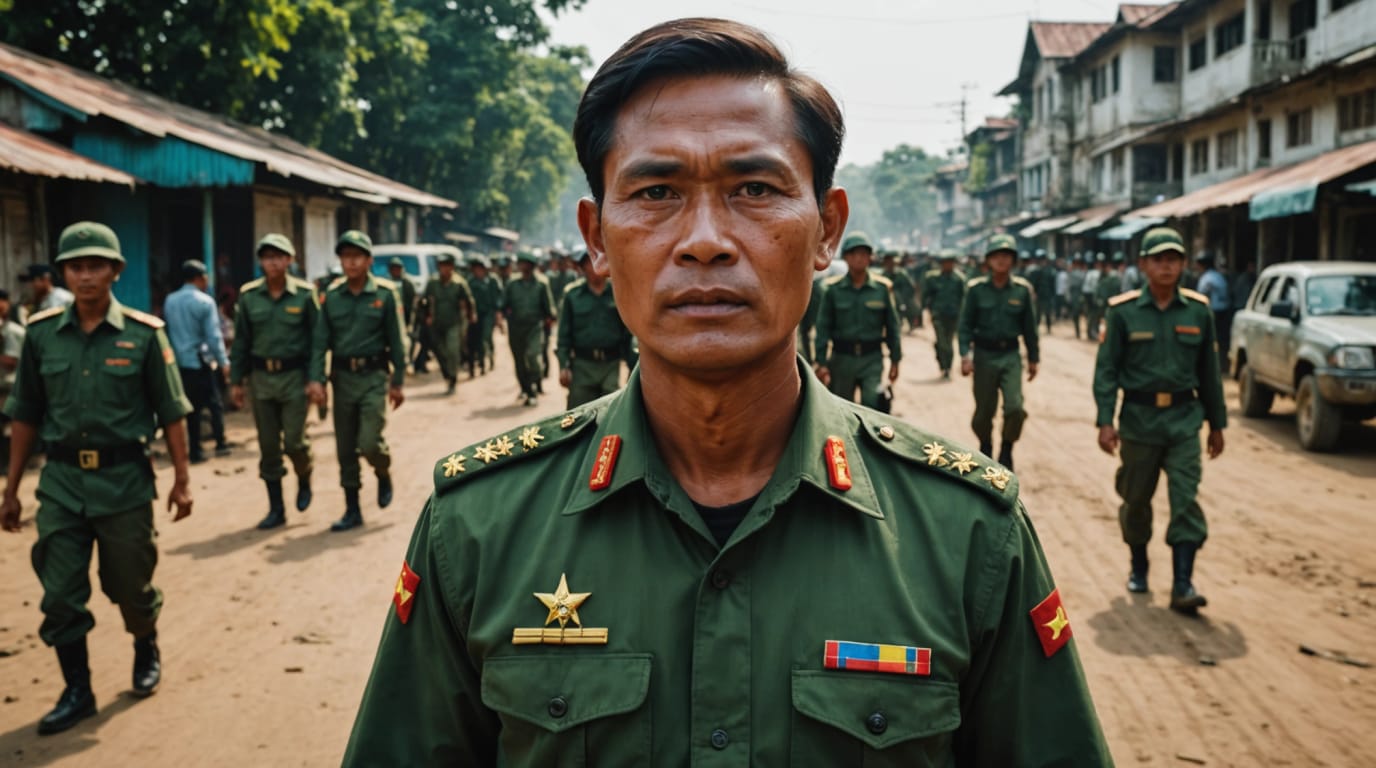
Myanmar's military junta is increasingly relying on Russia for support as it struggles to maintain control amid a widening civil war that has raged since the February 2021 coup. Facing mounting territorial losses and growing resistance from ethnic armed groups and pro-democracy fighters, the junta has turned to Moscow for weapons, diplomatic cover, and economic assistance, deepening a relationship that has solidified in the wake of Western sanctions against both nations.
A Budding Alliance Forged in Isolation
Since the coup that ousted the democratically elected government led by Aung San Suu Kyi, Myanmar has faced widespread international condemnation and sanctions. Similarly, Russia has been under heavy Western sanctions since its 2014 annexation of Crimea and its ongoing war in Ukraine. This shared isolation has fostered a closer relationship between the two countries, with Russia emerging as a crucial ally for the embattled junta. Russia was the only major power to acknowledge the Tatmadaw's 2021 power grab. Myanmar, in turn, was the only ASEAN member state to endorse Moscow's invasion of Ukraine and to send military supplies to Russia's armed forces.
Moscow's Arsenal Bolsters Junta's Air Power
Russia has become a major arms supplier to Myanmar's military, providing essential hardware to combat resistance forces. Since 2021, Russian entities have supplied the junta with at least $406 million worth of arms and military-related equipment. This includes Mi-35 helicopters, MiG-29 jets, and Yak-130 light aircraft, which the military has used to conduct air strikes on schools, medical facilities, and homes. The junta has become increasingly reliant on air power to counter anti-SAC resistance forces, including the armed wing of the NUG, the People's Defence Forces (PDFs) and various EAOs as civil war has engulfed Myanmar.
Economic Ties and Mutual Validation
Beyond military cooperation, Russia and Myanmar are also expanding their economic ties. Russia exports raw materials and fertilizers to Myanmar, and both sides have discussed deepening economic cooperation alongside their military and political alliance. In a televised meeting, junta leader Min Aung Hlaing praised Putin as a "king" and voiced support for Russia's full-scale invasion of Ukraine, further solidifying the bond between the two regimes. Putin highlighted expanding trade ties and “great potential” for further cooperation. This mutual validation extends to diplomatic support, with Russia consistently defending Myanmar's junta on the international stage and accusing Western countries of supporting "extremist" groups within the country.
Civil War Drags On, Junta Loses Ground
The civil war in Myanmar, now in its fifth year, shows no signs of abating. Rebel groups have made significant gains, seizing control of large swathes of territory in the west and northeast of the country. A BBC World Service study indicated that the junta controlled only 21% of Myanmar as of mid-November, with rebel groups holding 42% and both sides contesting the rest. The conflict has resulted in a dire humanitarian crisis, with estimates of civilians and soldiers killed reaching into the tens of thousands. Over 3 million people have been displaced, and half the country now lives in poverty.
China's Complex Role
While Russia has emerged as a key ally of the junta, China's role in the conflict is more complex. China has significant economic and strategic interests in Myanmar, including gas and oil pipelines and factories. While Beijing has maintained a working relationship with the junta to protect these assets, it has also historically supported various ethnic armed groups along its border. Some analysts suggest that China may be growing wary of the junta's inability to stabilize the situation and could be forced to reassess its support. In northeast Myanmar's Shan state, China pressured one of the largest rebel groups in the area, the Myanmar National Democratic Alliance Army.
Uncertain Future
As the civil war in Myanmar continues, the junta's reliance on Russia raises concerns about the country's future. Russia's support provides the junta with the means to continue its violent suppression of dissent, prolonging the conflict and exacerbating the humanitarian crisis. However, the junta's grip on power appears to be weakening, and it is losing ground to resistance forces. The extent to which China will continue to support the junta remains a key question, as does the potential for further international intervention to address the crisis. The ongoing conflict has implications for regional stability, and the growing alliance between Myanmar and Russia presents a challenge to international efforts to promote democracy and human rights in Southeast Asia.