Mystery Illness Claims Dozens of Lives in Democratic Republic of Congo
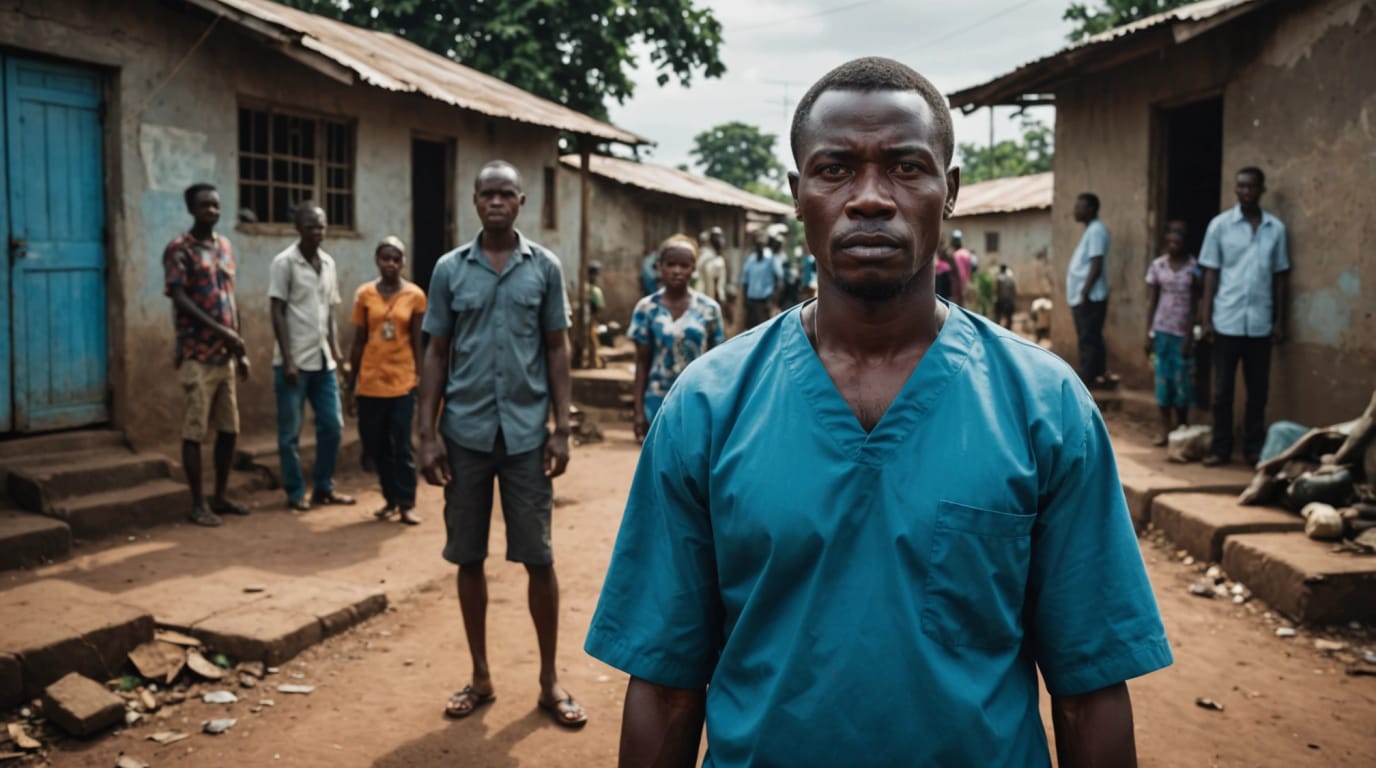
A mysterious illness has claimed the lives of more than 50 people in the Democratic Republic of Congo (DRC) since late January, sparking concerns among health officials and prompting investigations into the outbreak's cause and potential spread. The outbreak, characterized by a rapid progression from symptoms to death, has affected two remote villages in the Equateur province, raising fears of a wider public health crisis in a region already grappling with numerous challenges.
Outbreak Details and Initial Findings
The first cases of the unidentified illness emerged in the village of Boloko around January 21. According to the World Health Organization (WHO), the initial victims were three children who consumed a bat and died within 48 hours, exhibiting symptoms consistent with hemorrhagic fever. Subsequently, a larger outbreak was reported in the village of Bomate, located more than 120 miles away, on February 9. As of late February, a total of 419 cases and 53 deaths have been recorded across the two villages.
Health officials have noted key differences between the outbreaks in Boloko and Bomate. The rapid progression from sickness to death in Boloko is particularly alarming, while Bomate has seen a higher overall number of cases, with some patients testing positive for malaria. Samples from 13 cases have been sent to the National Institute for Biomedical Research in Kinshasa for testing. While tests have ruled out Ebola and other common hemorrhagic fever diseases like Marburg, the exact cause of the illness remains unknown.
Concerns and Response Efforts
The WHO has described the mystery disease as a significant threat to public health, highlighting the lack of medical infrastructure and surveillance facilities in the affected area. The rapid spread of the illness and the high mortality rate have raised concerns about the potential for a larger epidemic.
Local and international health organizations are working to contain the outbreak and identify its cause. Medical teams have been deployed to the affected villages to provide treatment, conduct investigations, and implement preventative measures. The WHO is assisting with laboratory testing, epidemiological investigations, and logistical support.
Potential Causes and Contributing Factors
While the exact cause of the outbreak remains under investigation, several potential factors are being considered. The initial cases in Boloko, linked to the consumption of a bat, have raised concerns about zoonotic transmission – the spread of diseases from animals to humans. Bats are known carriers of various viruses, including some that can cause severe illness in humans.
Another possibility being explored is the contamination of water sources. The WHO has indicated that the outbreak may stem from a "poisoning of a water source". Further investigation is needed to confirm this.
Malaria is also being considered as a contributing factor, particularly in the Bomate outbreak, where some patients have tested positive for the disease. Malaria is endemic in the DRC, and severe cases can be fatal if left untreated. It is possible that the mystery illness is exacerbating the effects of malaria or that the two conditions are occurring simultaneously.
Challenges and Context
The DRC faces numerous challenges that can exacerbate disease outbreaks, including poverty, weak health systems, and ongoing conflict. The affected region, Equateur province, is remote and lacks adequate medical facilities, making it difficult to respond effectively to the outbreak.
The country is also grappling with other health crises, including an ongoing mpox outbreak and recurring outbreaks of Ebola and other infectious diseases. These challenges strain the country's limited resources and make it difficult to address new health threats.
The surge in outbreaks in Africa over the past decade, as reported by the WHO, underscores the need for stronger public health systems and increased investment in disease surveillance and prevention. Factors such as climate change, deforestation, and population growth are contributing to the emergence and spread of infectious diseases, posing a growing threat to public health security.
Conclusion
The mystery illness outbreak in the Democratic Republic of Congo highlights the ongoing challenges of disease control and prevention in a region facing numerous health and socioeconomic challenges. While investigations are underway to determine the cause of the outbreak, the rapid spread of the illness and the high mortality rate underscore the need for urgent action. Strengthening public health systems, improving disease surveillance, and addressing the underlying factors that contribute to disease emergence are crucial steps in preventing future outbreaks and protecting the health of vulnerable populations. The international community must continue to support the DRC in its efforts to contain this outbreak and build a more resilient health system.