Mystery of the Strand: Unraveling Why Whales and Dolphins Beach Themselves
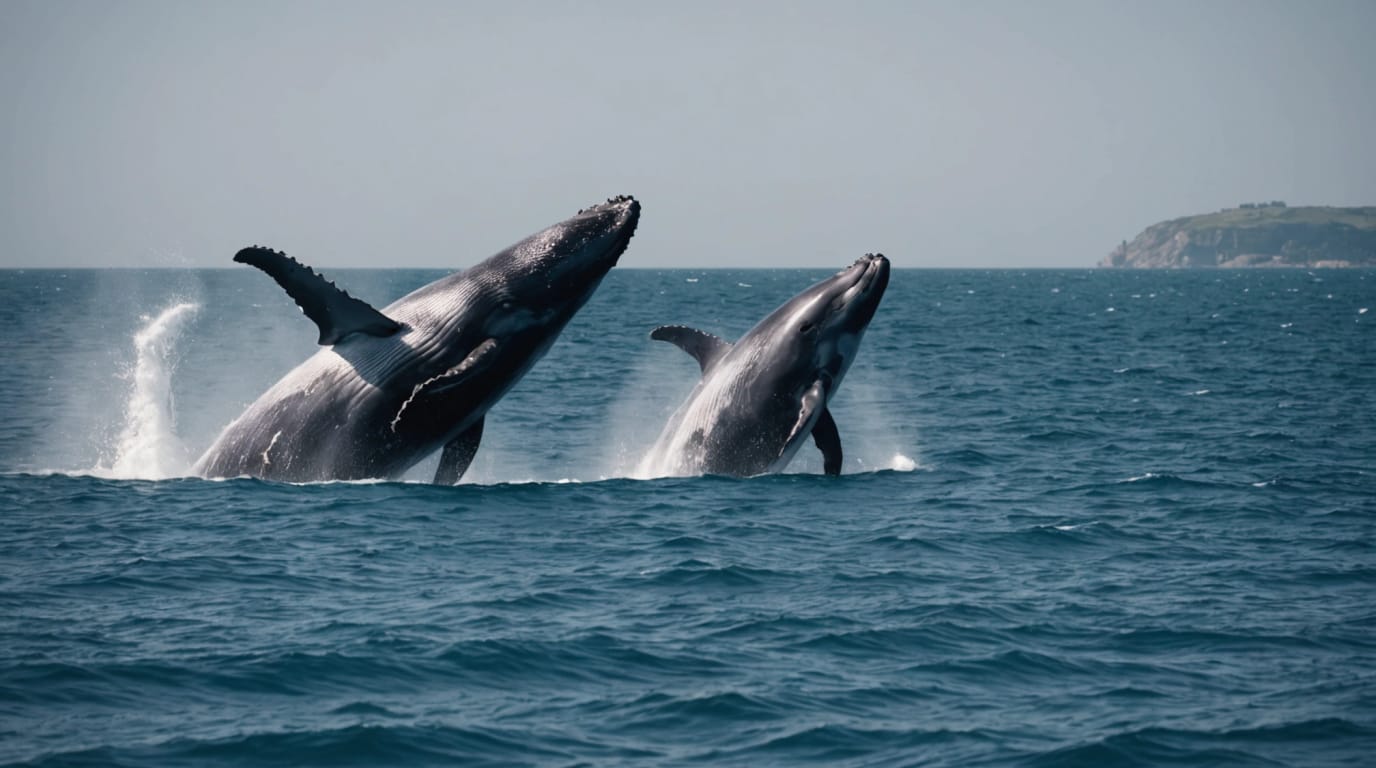
Marine mammal strandings, the phenomenon of whales and dolphins beaching themselves on shore, have puzzled scientists and captivated the public for centuries. These events, sometimes involving single animals and other times entire groups, raise concerns about the health of marine ecosystems and the well-being of these intelligent creatures. While a single, definitive answer remains elusive, research points to a complex interplay of natural and human-caused factors that can lead to these tragic occurrences.
Natural Influences: Navigational Errors and Environmental Factors
Several natural factors can contribute to whale and dolphin strandings. One prominent theory suggests that their sophisticated navigational systems can become impaired. Whales and dolphins rely on echolocation, using sound waves to navigate and find prey. Complex coastlines with gently sloping beaches can create improper surface areas for reflecting these sonar waves, leading to disorientation. Magnetic disturbances and geomagnetic contours may also interfere with their navigation.
Environmental conditions also play a significant role. Changes in water temperatures, driven by shifts in ocean currents, can lead whales and dolphins to follow their prey closer to shore, increasing the risk of stranding. Severe weather, rough seas, and strong tides can also push animals off course and onto beaches. In some instances, predators such as killer whales may panic other whales, herding them towards the shoreline.
Age, illness, and disease are also contributing factors in single strandings. Weak or malnourished animals, including orphans, may come ashore to rest or avoid drowning. Difficulty giving birth can also lead to a stranding event. Examination of deceased stranded animals sometimes reveals underlying health issues that may have contributed to their inability to navigate or survive in the open ocean.
The Role of Social Behavior in Mass Strandings
Mass strandings, involving multiple individuals of the same species, often highlight the strong social bonds within cetacean communities. Species like pilot whales, known for their tight-knit social structures and tendency to follow a lead animal, are particularly susceptible to this type of stranding. If the leader makes a navigational error or becomes sick or injured, the rest of the pod may follow, leading to a mass stranding.
In cases where different species strand together, it may indicate a major disturbing event affecting a wide area, such as a chemical spill. Mixed-species strandings can also occur when different species are schooling together at sea and encounter a common threat or navigational challenge.
Human Impact: Noise Pollution and Habitat Degradation
Human activities are increasingly recognized as significant contributors to marine mammal strandings. Noise pollution, particularly from naval sonar and seismic surveys, has been linked to mass strandings, especially among beaked whales. Mid-frequency active sonar, used by naval vessels to detect submarines, can disrupt whale behavior, causing them to stop feeding, swim away from the noise source, and even strand themselves. The intense sound can disorient the animals, interfere with their echolocation abilities, and cause them to panic and surface too quickly, leading to decompression sickness, similar to "the bends" in human divers.
Chemical pollution, marine debris, and habitat degradation also pose significant threats. Toxic waste, runoff, and oil spills can contaminate the marine environment, leading to high levels of toxins in the bodies of marine mammals. Ingestion of plastics and other garbage can obstruct their digestive systems, leading to malnutrition and death. Furthermore, entanglement in fishing gear, known as bycatch, can cause injury, suffocation, and drowning.
Responding to Strandings: Rescue Efforts and Prevention Strategies
When a whale or dolphin strands, immediate action is crucial. Organizations like the International Fund for Animal Welfare (IFAW) and the Marine Mammal Stranding Center (MMSC) are on the front lines, responding to stranding events, rescuing and rehabilitating animals, and investigating the causes. IFAW's Marine Mammal Rescue team has pioneered field health assessments and treatments, significantly increasing the survival rate of stranded dolphins after release.
If you encounter a stranded marine mammal, experts recommend calling the local stranding network or NOAA's stranding hotline immediately. It is important to keep a safe distance from the animal, avoid excessive noise, and provide shade and water to keep it cool and moist until help arrives.
Preventing strandings requires a multi-faceted approach. This includes mitigating noise pollution from human activities, reducing marine debris and chemical pollution, and protecting critical marine habitats. Some researchers are exploring the use of acoustic deterrents and bubble nets to guide whales away from dangerous areas. Promoting responsible fishing practices and reducing bycatch are also essential steps.
Ongoing Research and the Future of Marine Mammal Conservation
Despite significant progress in understanding the causes of strandings, many questions remain unanswered. Scientists continue to study whale and dolphin behavior, navigation, and physiology to gain deeper insights into the factors that contribute to these events. Advanced technologies, such as satellite tagging and acoustic monitoring, are providing valuable data on whale movements and responses to environmental stressors.
The Marine Mammal Health and Stranding Response Program compiles annual stranding reports, providing valuable data on stranding trends and patterns. This information is crucial for identifying potential threats and developing effective conservation strategies.
Ultimately, protecting whales and dolphins requires a global effort to address the complex challenges they face in a changing ocean. By reducing human impacts, promoting responsible stewardship of the marine environment, and supporting ongoing research and rescue efforts, we can help ensure the survival of these magnificent creatures for generations to come.