Next Ice Age Predicted in 10,000 Years, But Human Activity Could Change Everything
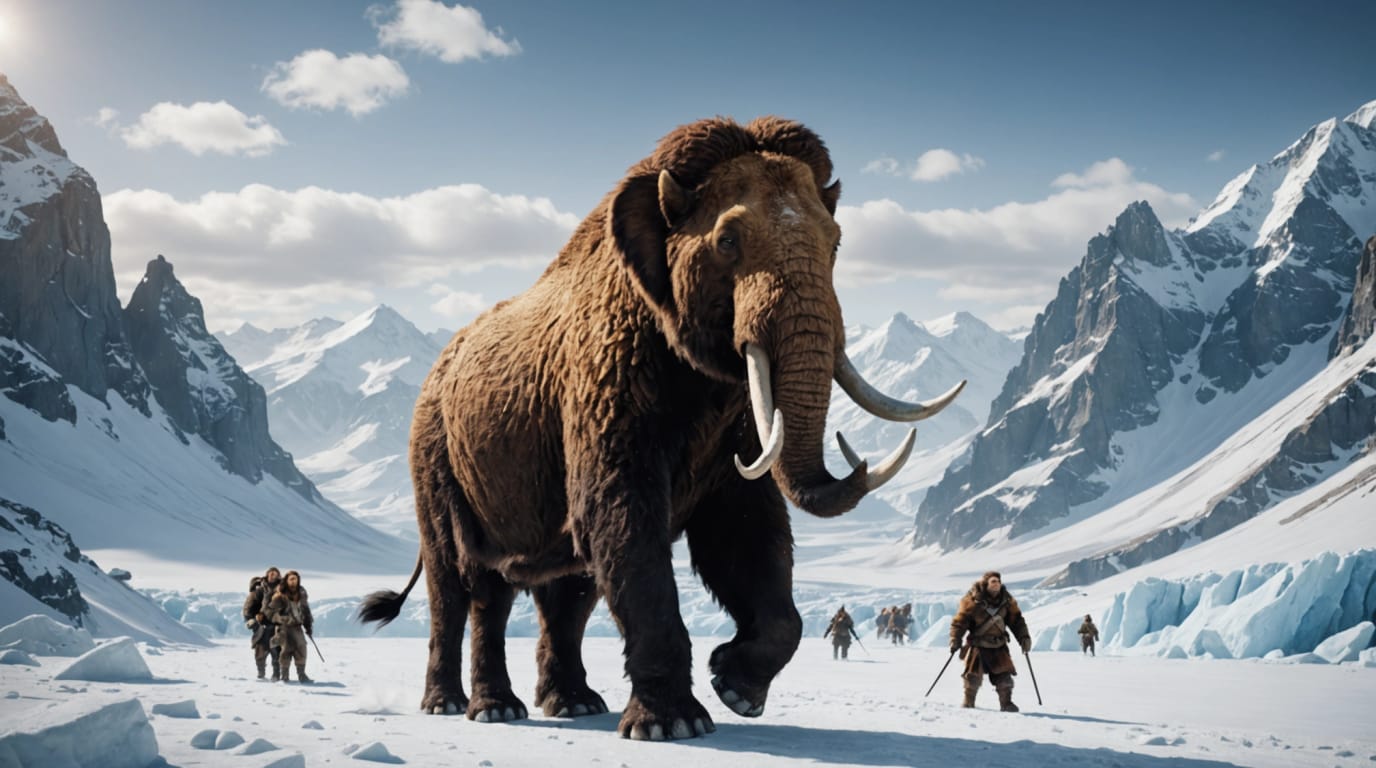
Scientists have cracked the code on predicting ice ages, determining that the next one should begin in approximately 10,000 years. However, this timeline comes with a significant caveat: human-caused climate change, specifically the emission of greenhouse gases, may disrupt this natural cycle and potentially delay or even prevent the next ice age from occurring.
Orbital Mechanics and Ice Age Cycles
For years, scientists have understood that changes in Earth's orbit around the sun influence the planet's climate and the cyclical occurrence of ice ages. These orbital variations, often referred to as Milankovitch cycles, affect the amount and distribution of solar radiation that reaches the Earth's surface. The new research pinpoints which specific orbital changes are most critical in triggering the onset and termination of ice ages. The study highlights the importance of the Earth's tilt relative to the sun, identifying a clear correlation between these changes and the advance and retreat of ice sheets. The research team analyzed nearly one million years of global data to reach their conclusions.
Lorraine Lisiecki, a co-author of the study from UC Santa Barbara, explained that different types of changes in Earth's orbit either initiate an ice age or bring one to an end. Stephen Barker of Cardiff University, the lead author, expressed surprise that this distinct pattern had not been identified previously, given the clarity of the correlation between orbital parameters and the climate record.
The Holocene Epoch and the Predicted Timeline
The Earth is currently in an interglacial period known as the Holocene, which began roughly 11,700 years ago after the end of the last ice age. Based on the newly established formula that considers how the Earth "wobbles" in space, the current interglacial period is expected to transition into a glacial state in about 10,000 years. This prediction aligns with the natural rhythm of ice age cycles observed over hundreds of thousands of years. Without any other factors, ice sheets would begin to expand again in approximately 10,000 to 11,000 years, reaching their maximum size after another 80,000 to 90,000 years, and then retreating towards the poles over about 10,000 years.
The Anthropogenic Interruption
The primary reason the next ice age may not occur as predicted is the significant increase in atmospheric carbon dioxide caused by human activities. The burning of fossil fuels, deforestation, and other industrial processes have released vast amounts of greenhouse gases into the atmosphere, trapping heat and causing global warming.
Gregor Knorr of the Alfred Wegener Institute's Helmholtz Centre for Polar and Marine Research in Germany, a co-author of the study, stated that the transition to a glacial state in 10,000 years is "very unlikely to happen because human emissions of carbon dioxide into the atmosphere have already diverted the climate from its natural course." This diversion has far-reaching implications for the planet's climate system and could potentially override the natural orbital drivers of ice age cycles.
Chronis Tzedakis, a professor at University College London, also noted that humans have altered the natural ice age cycle. The current interglacial period, the Holocene, allows scientists to provide an initial prediction of when the climate might return to a glacial state. However, human activity has already thrown the system off course.
Future Research and Implications
The research team plans to continue refining their predictions by calibrating past climate changes to develop a clearer understanding of what Earth's climate should look like over the next 10,000 to 20,000 years. This future research aims to quantify the extent to which human-caused climate change will delay or prevent the onset of the next ice age. Understanding the interplay between natural climate cycles and anthropogenic forcing is crucial for making informed decisions about climate policy and mitigation strategies.
The implications of delaying or preventing the next ice age are complex and not fully understood. While a warmer climate may seem preferable to a glacial period, the rapid rate of climate change caused by human activities poses significant challenges for ecosystems and human societies. Rising sea levels, extreme weather events, and disruptions to agricultural systems are just some of the potential consequences of unchecked global warming.
A Diverted Climate
The study underscores the profound impact that human activities are having on the Earth's climate system. While the planet may be on a natural trajectory towards another ice age in the distant future, human emissions of greenhouse gases have already altered this course. The extent and duration of this alteration remain uncertain, highlighting the need for continued research and a concerted global effort to reduce greenhouse gas emissions and mitigate the impacts of climate change. The future of Earth's climate now depends more on human actions than on the predictable cycles of orbital mechanics.