Oil Titans Forge Stronger Alliance Amidst Global Energy Realignments
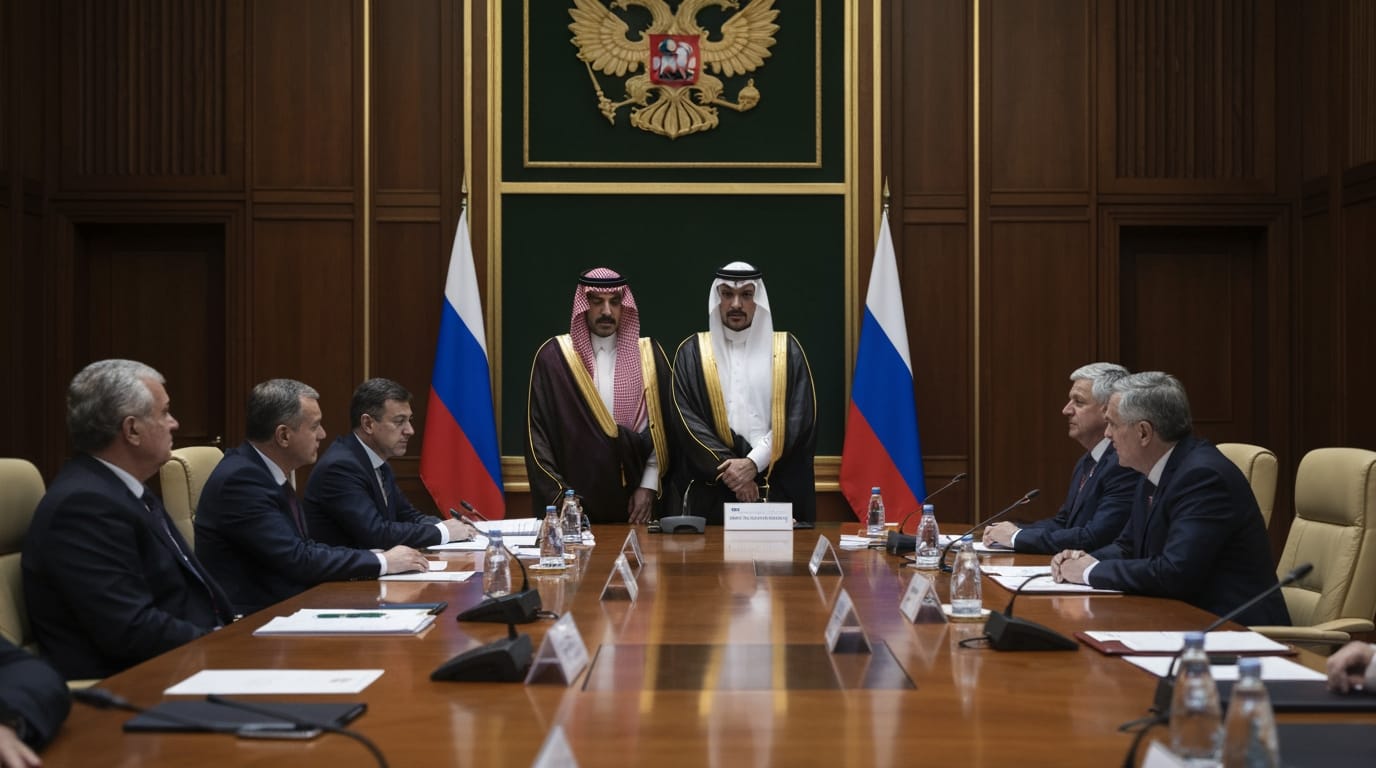
In a significant recalibration of global energy and geopolitical landscapes, Saudi Arabia and Russia, two of the world's preeminent oil producers, are steadily deepening their strategic partnership. This burgeoning alliance, primarily cemented through the OPEC+ framework, is reshaping international oil markets and challenging long-standing diplomatic alignments, signaling a proactive stance from both nations in an increasingly multipolar world.
The alignment between Riyadh and Moscow, once considered an unlikely pairing given their historical rivalries, has evolved from a pragmatic oil market collaboration into a multifaceted engagement spanning economic, technological, and even geopolitical spheres. This deepening bond holds profound implications for oil prices, global energy security, and the future balance of power, as both countries leverage their combined influence to steer market dynamics and diversify their international relations.
The Genesis of OPEC+ and a Newfound Partnership
The foundation of this robust cooperation was laid in 2016 with the formation of OPEC+, an expanded coalition that brought together members of the Organization of the Petroleum Exporting Countries (OPEC) with ten non-OPEC oil-producing nations, prominently including Russia. The alliance emerged from a shared imperative to stabilize global oil markets, which were then grappling with low prices exacerbated by surging U.S. shale oil production. This collaboration marked a departure from previous periods of strained relations, such as the Cold War era and the initial years post-Soviet Union where diplomatic ties were often cold or non-existent.
The OPEC+ agreement was designed to manage market expectations, eliminate excess supply, and compensate for shortages, thereby stabilizing prices without excessively encouraging competition. Saudi Arabia, a dominant force within OPEC, found in Russia a crucial non-OPEC partner whose cooperation was vital for effective market intervention. This arrangement allowed both nations to wield greater influence over oil production quotas and prices than they could individually.
Navigating Market Volatility with Coordinated Action
Since its inception, the OPEC+ alliance has proven remarkably resilient, weathering significant market shocks and internal disagreements. A prime example was the drastic decline in oil demand during the COVID-19 pandemic in 2020. In response, OPEC+ swiftly agreed to unprecedented production cuts, initially reducing output by 9.7 million barrels per day, which gradually tapered over time. These coordinated actions were instrumental in rebalancing the market and preventing a more catastrophic collapse in oil prices.
Despite occasional tensions, such as a brief oil price war in early 2020, Saudi Arabia and Russia have consistently found common ground, demonstrating the durability of their partnership. Their collective decisions continue to significantly influence global supply and demand balances, supporting oil prices at levels deemed favorable for their national budgets. While these cuts entail short-term revenue losses, the long-term benefits of price stability are a powerful incentive for continued coordination. Saudi Arabia has, for instance, implemented voluntary production cuts, and Russia has expanded its own reductions, showcasing a shared commitment to market management. This joint effort ensures that both countries remain pivotal players in dictating the rhythms of the global energy economy.
Beyond Crude: Expanding Economic and Geopolitical Horizons
The Saudi-Russian rapprochement extends far beyond mere oil production quotas. Both nations are actively pursuing diversification of their economic ties and strategic partnerships. Bilateral trade between Saudi Arabia and Russia has seen substantial growth, with non-oil trade surging from $491 million in 2016 to $3.28 billion in 2024, and nearly quadrupling in the first quarter of 2025 compared to the previous year. This expansion encompasses a wide array of sectors, including industry, high technology, agriculture, mining, infrastructure, and investments. For example, the Saudi Public Investment Fund has committed billions to Russian projects across various sectors.
From a geopolitical standpoint, this burgeoning alliance signifies Saudi Arabia's strategic pivot toward a more diversified foreign policy. Riyadh is increasingly seeking to balance its long-standing security partnership with the United States by cultivating stronger ties with other global powers, including Russia and China. This strategy is partly driven by a desire to hedge against perceived decreasing U.S. attention in the Middle East and to embrace a multipolar world order. For Russia, the partnership provides a crucial avenue for exerting geopolitical influence and securing economic opportunities amidst Western sanctions and international isolation following events like the Ukraine invasion. Saudi Arabia’s continued cooperation through OPEC+ has effectively curtailed the impact of Western sanctions on Russia, providing an economic window for Moscow.
A New World Order in the Making?
The motivations underpinning this strengthening relationship are multifaceted. For Saudi Arabia, the drive aligns with its Vision 2030, an ambitious plan to transform its economy and reduce its reliance on oil. By partnering with Russia, Saudi Arabia seeks to enhance its position as a global trade and investment hub and contribute to a more neutral, multipolar global order. Discussions around establishing a free trade zone within the Eurasian Economic Union and increasing trade using local currencies further underscore this ambition.
Russia, on the other hand, finds significant value in the partnership for both economic resilience and geopolitical leverage. Despite historical challenges and a transactional nature, the alliance within OPEC+ serves Russia's long-term national interests by stabilizing energy markets and strengthening its economy. High-level dialogues and joint forums continue to reinforce this cooperation, with officials from both sides routinely emphasizing their shared commitment to collaboration.
While the relationship has its transactional aspects and periods of friction, the common economic interests and shared vision for a more diversified global power structure appear to solidify its long-term prospects. This evolving dynamic underscores a fundamental shift in international relations, where traditional alliances are being re-evaluated in favor of pragmatic partnerships that serve evolving national interests.
Conclusion: An Enduring Shift in Global Dynamics
The deepening ties between Saudi Arabia and Russia represent more than just a temporary alignment of convenience; they signify an enduring shift in global energy governance and international relations. Through the OPEC+ framework, these two oil superpowers have demonstrated their capacity for coordinated action to stabilize volatile markets, asserting their collective influence on a global scale.
Beyond oil, their expanding cooperation in trade, investment, and technology underscores a deliberate strategy by both nations to diversify their economies and solidify their positions in a rapidly changing world order. As Saudi Arabia actively seeks to broaden its alliances and Russia navigates a complex geopolitical landscape, their partnership remains a crucial and increasingly prominent feature, fundamentally reshaping the global energy architecture and contributing to the emergence of a more multipolar international system.