'Olympics on Drugs' Gains Momentum with Trump Jr.'s Backing
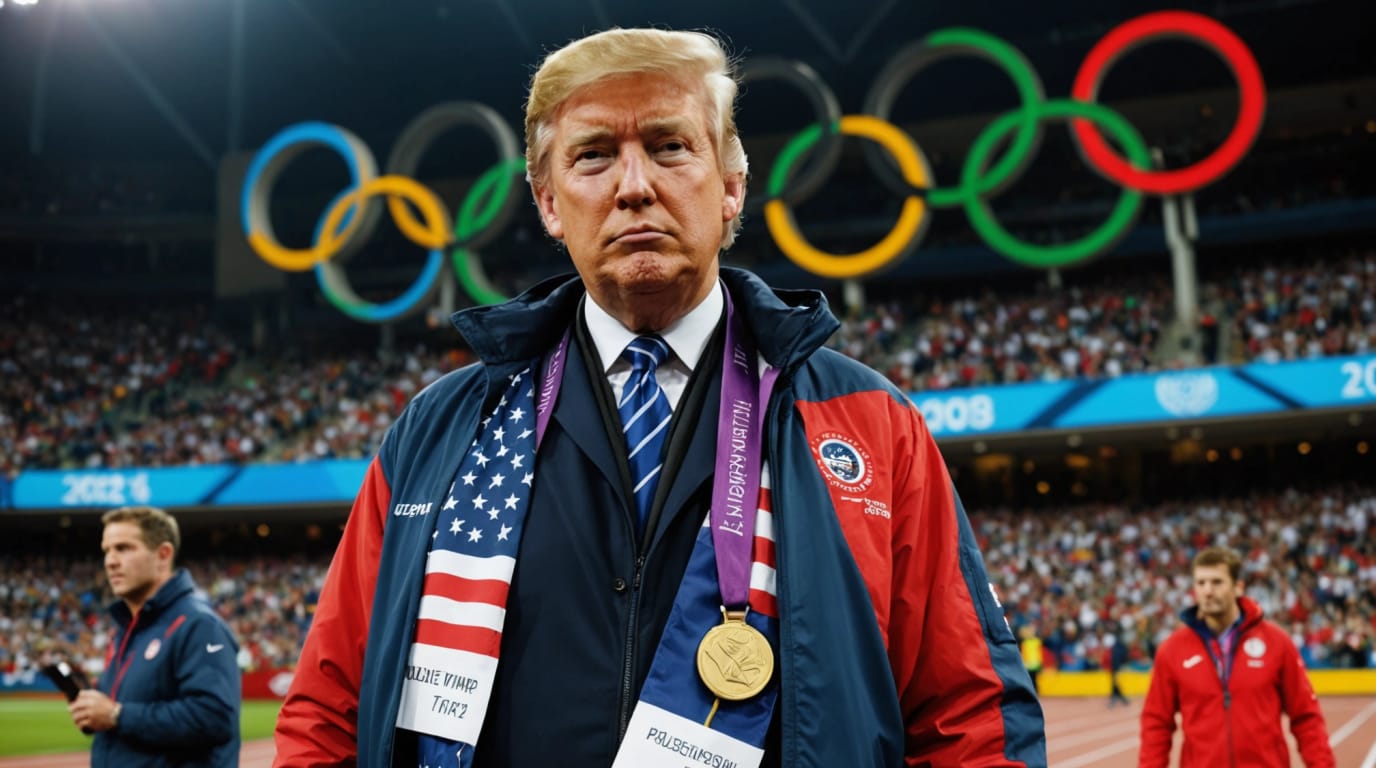
The Enhanced Games, a controversial sporting event where athletes are permitted to use performance-enhancing drugs, is moving closer to reality, fueled by a recent multi-million dollar investment co-led by Donald Trump Jr.'s venture capital firm, 1789 Capital. This development has ignited debate about the future of sports, athlete safety, and the role of regulation in competitive events.
What are the Enhanced Games?
The Enhanced Games, founded by London-based Australian lawyer Aron D'Souza, proposes an alternative to the traditional Olympic Games, one where athletes are not only allowed but actively encouraged to use performance-enhancing substances. D'Souza argues that current sporting regulations stifle innovation and limit athletes' potential. He envisions the Enhanced Games as a platform for pushing the boundaries of human achievement and challenging the authority of organizations like the International Olympic Committee (IOC) and the World Anti-Doping Agency (WADA). The games are planned to take place in mid-2026 in the US.
The proposed sports for the Enhanced Games include track and field, swimming, weightlifting, gymnastics, and combat sports. Unlike the Olympics, the Enhanced Games would not adhere to WADA's strict anti-doping policies. D'Souza has stated that for insurance reasons, only FDA-approved substances would be permitted, explicitly excluding drugs like cocaine and heroin. He also suggests categorizing athletes based on their chromosomal sex.
Trump Jr.'s Investment and the MAGA Connection
Donald Trump Jr.'s involvement has added a new layer of intrigue to the Enhanced Games. His venture capital firm, 1789 Capital, co-led a recent investment round, signaling a significant financial boost for the project. Trump Jr. has publicly endorsed the Enhanced Games, stating, "The Enhanced Games represent the future – real competition, real freedom, and real records being smashed. This is about excellence, innovation, and American dominance on the world stage – something the MAGA movement is all about."
The connection to the "MAGA movement" highlights the ideological underpinnings of the Enhanced Games. Supporters view it as a challenge to established institutions and a celebration of individual liberty. Critics, however, see it as a reckless and dangerous pursuit that prioritizes spectacle over athlete well-being.
Ethical and Safety Concerns
The Enhanced Games have faced widespread criticism from the sporting world, the scientific community, and media outlets. A primary concern revolves around the safety of athletes who would be encouraged to use performance-enhancing drugs. Critics argue that such substances can have serious and potentially fatal side effects.
Lord Sebastian Coe, head of World Athletics, has dismissed the Enhanced Games as a "joke, unfair, and unsafe." Anna Meares, former Olympic track cycling champion, echoed this sentiment, calling the concept "appalling." Travis Tygart, the head of the US anti-doping agency (Usada), has labeled it a "dangerous clown show, not real sport."
D'Souza insists that the Enhanced Games would be "the safest sporting event in history," with comprehensive health check-ups and screenings for all participants. However, skeptics remain unconvinced, arguing that the inherent risks of performance-enhancing drugs cannot be completely mitigated.
The Promise of Scientific Advancement
Proponents of the Enhanced Games argue that it could serve as a valuable platform for scientific research and development. D'Souza believes that data collected from chemically enhanced athletes could potentially lead to breakthroughs in anti-aging technology and other areas of human health.
John Hoberman, a professor at the University of Austin and author of books on performance-enhancing drug use, suggests that D'Souza believes data collected from chemically boosted Enhanced Games athletes might help his billionaire investors live longer and richer lives.
This perspective frames the Enhanced Games as more than just a sporting event; it positions it as a potential catalyst for scientific innovation and a challenge to conventional approaches to human enhancement.
The Future of the Enhanced Games
Despite the controversy and criticism, the Enhanced Games continue to move forward. The organizers are reportedly in discussions with broadcasters and pharmaceutical companies to secure funding and media coverage. The inaugural event is tentatively scheduled for 2026.
The success of the Enhanced Games remains uncertain. It faces significant hurdles, including securing widespread athlete participation, overcoming regulatory obstacles, and addressing ethical and safety concerns. However, the project has already sparked a global debate about the future of sports and the limits of human potential.
The Enhanced Games represent a radical departure from traditional sporting values. Whether it will ultimately succeed or fail, it has forced a re-examination of the role of performance enhancement, the authority of sporting institutions, and the very definition of athletic achievement. The coming years will reveal whether this "Olympics on drugs" can overcome its challenges and carve out a place in the world of competitive sports, or whether it will ultimately be remembered as a controversial experiment that pushed the boundaries too far.