Ovechkin Nears Gretzky's Goal Record as Putin Ties Complicate Legacy
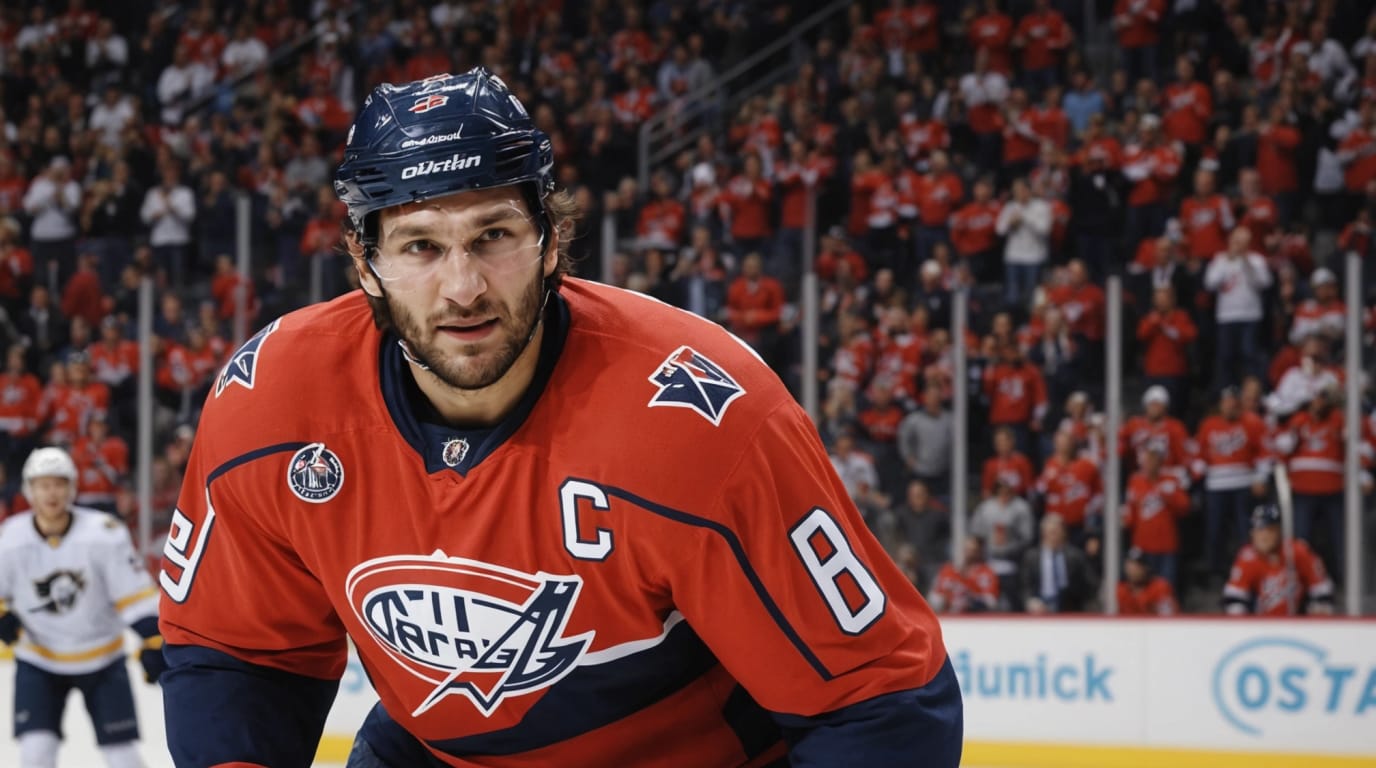
Alex Ovechkin, the Washington Capitals' captain and one of hockey's most dominant goal scorers, is on the cusp of breaking Wayne Gretzky's all-time NHL record of 894 goals. However, his well-documented and unwavering support for Russian President Vladimir Putin casts a shadow over this monumental achievement, creating a complex narrative that intertwines athletic greatness with geopolitical concerns. With 889 goals as of March 28, 2025, Ovechkin is just six goals away from claiming the top spot, a milestone that was once considered unattainable.
A Historic Chase
Ovechkin, known as "The Great 8," has been a force in the NHL since his debut in 2005. Drafted first overall by the Capitals in 2004, he quickly established himself as a prolific scorer, winning the Calder Memorial Trophy as rookie of the year. His career has been marked by nine Maurice "Rocket" Richard Trophies as the league's leading goal scorer, a record in itself. Ovechkin also holds NHL records for power-play goals, goals in away games, overtime goals, and goals scored with a single team. He is one of only three players in NHL history to reach the 800-goal mark, alongside Gretzky and Gordie Howe.
Throughout his 20 seasons, Ovechkin has consistently defied expectations. Even at 39, he remains a potent offensive threat. This season, he overcame a broken leg sustained in November to continue his pursuit of Gretzky's record. His dedication and relentless drive have captivated fans and solidified his place among hockey's elite.
The Putin Connection
Ovechkin's close relationship with Vladimir Putin has been a subject of scrutiny, particularly since Russia's invasion of Ukraine. In 2017, Ovechkin founded "PutinTeam," a social movement expressing support for Putin's presidential campaign. This public endorsement, coupled with frequent visits to Russia and shared appearances, has fueled controversy.
Following the invasion of Ukraine in February 2022, Ovechkin called for "no more war" but stopped short of directly criticizing Putin. This stance drew criticism from various quarters, with some calling for him to denounce the Russian president more forcefully. Reports circulated that the Capitals had requested Ovechkin remove Putin's image from his social media profiles, a request he reportedly declined, citing concerns for his family's safety.
NHL's Stance
The NHL has largely maintained a neutral position on Ovechkin's relationship with Putin. Commissioner Gary Bettman stated that Ovechkin plays for the Washington Capitals, not Russia, emphasizing that his legacy belongs to the team and the league. This stance reflects the NHL's desire to celebrate Ovechkin's achievements while acknowledging the sensitive political context.
However, the league's position has not been without criticism. Some argue that celebrating Ovechkin's record without addressing his support for Putin sends a mixed message, potentially undermining efforts to condemn Russia's actions in Ukraine. The situation presents a complex public relations challenge for the NHL as it navigates the intersection of sports and politics.
A Divided Legacy
As Ovechkin approaches the goal-scoring record, the hockey world is grappling with how to reconcile his on-ice accomplishments with his off-ice associations. For many, his achievements are undeniable, a testament to his skill, dedication, and longevity. Others find it difficult to separate his sporting achievements from his political affiliations, arguing that his support for Putin taints his legacy.
The debate highlights the complexities of judging athletes who operate on a global stage, where personal beliefs and political realities often collide. Ovechkin's situation serves as a reminder that even the most celebrated figures are not immune to scrutiny and that their actions, both on and off the ice, have far-reaching consequences.
Looking Ahead
Whether Ovechkin breaks the record in the coming days or weeks, his achievement will undoubtedly be a major sports story. The celebrations, however, are likely to be tempered by ongoing discussions about his relationship with Putin and the broader implications of his legacy. As he continues his career, Ovechkin will likely face continued pressure to address his political views and reconcile his role as a sports icon with his support for a controversial leader. The final chapter of his story remains unwritten, but it is certain to be one of the most complex and debated in NHL history.