Pakistan Intensifies Mediation in Tehran Amidst Escalating US-Iran Conflict
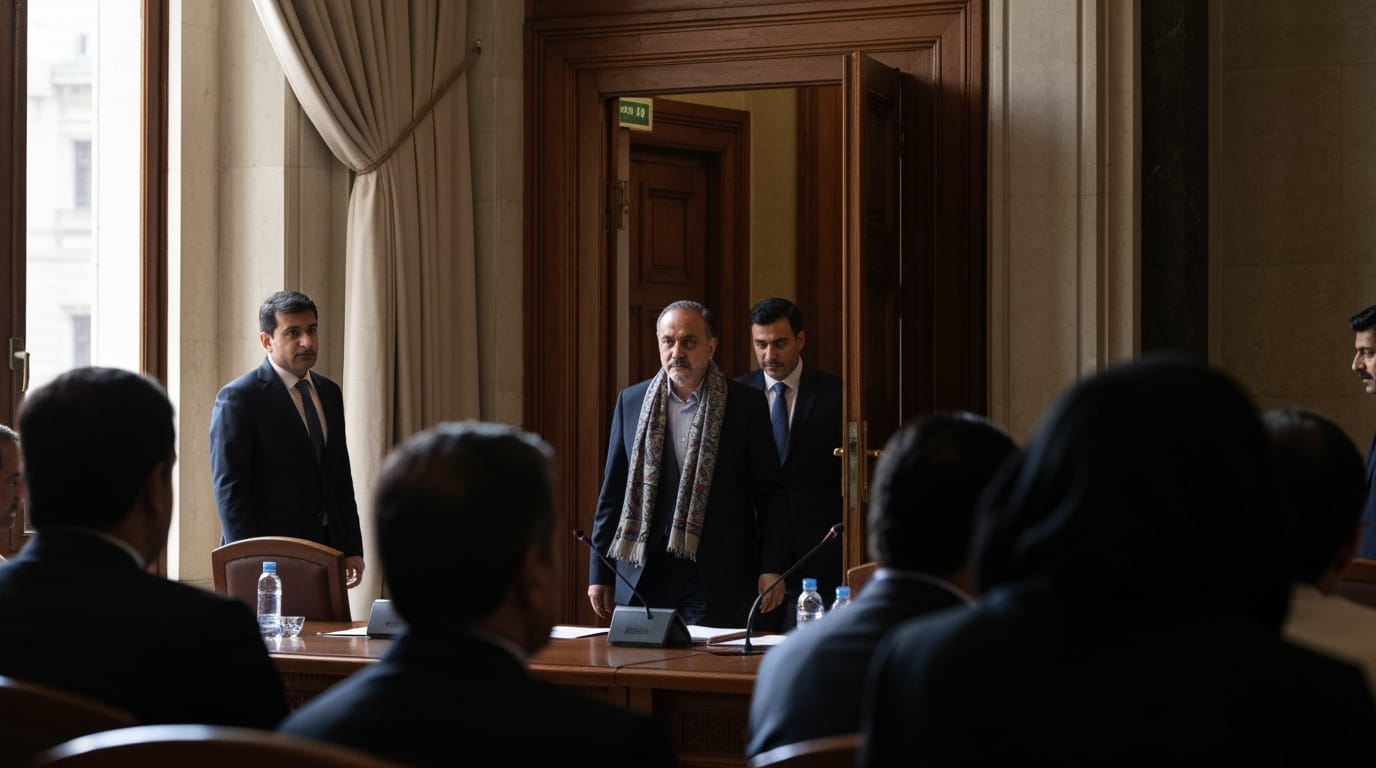
TEHRAN – A high-level Pakistani delegation, led by the nation's army chief, arrived in Tehran Wednesday for critical discussions aimed at de-escalating a nearly seven-week-long conflict between the United States, Israel, and Iran. The diplomatic push is designed to facilitate a second round of direct negotiations between Washington and Tehran, following an initial impasse in Islamabad, as a fragile ceasefire rapidly approaches its expiration next week.
Pakistan has emerged as a central mediator in the volatile standoff, hosting the first face-to-face talks between US and Iranian officials in decades earlier this month. The current mission underscores the urgency of averting further military escalation in a conflict that has already claimed thousands of lives and cast a long shadow over regional stability.
The Urgent Diplomatic Mission
The Pakistani delegation, which includes Army Chief Field Marshal Asim Munir and Interior Minister Mohsin Naqvi, met with Iranian Foreign Minister Abbas Araghchi in Tehran on Wednesday, with discussions expected to continue. The primary objective of these talks is to convey new messages from Washington and to strategize the resumption of US-Iran negotiations. This initiative comes as a two-week ceasefire, brokered by Pakistan on April 8, is set to conclude on April 22, intensifying pressure on all parties to find common ground.
Pakistani officials confirmed their involvement is part of ongoing mediation efforts, although specific details of the discussions remain undisclosed. The dialogue reflects Pakistan's proactive role in seeking to transform the current cessation of hostilities into a more enduring peace.
Unfolding Conflict and Deep-Seated Divides
The conflict erupted in February 2026 following joint US-Israeli airstrikes on Iran, which reportedly resulted in the death of Supreme Leader Ayatollah Ali Khamenei, among other officials. Iran retaliated with missile and drone attacks on Israel and several Gulf states, plunging the Middle East into a profound crisis. Over the past seven weeks, the war has resulted in approximately 3,300 fatalities in Iran and at least 13 US service members killed, with hundreds more wounded.
Adding to the military confrontation, the US has implemented a naval blockade on Iranian ports for the third consecutive day and threatened new economic sanctions against countries engaging in business with Tehran. In response, Iran has warned it would halt trade in the region if the blockade is not lifted, further exacerbating global energy supply concerns, particularly concerning the Strait of Hormuz.
The initial US-Iran talks in Islamabad stalled over several critical issues. Key sticking points include Iran's nuclear program, the status of the Strait of Hormuz, and compensation for wartime damages. The US has reportedly demanded a 20-year moratorium on uranium enrichment, while Iran has countered with an offer for a five-year suspension. Additionally, Washington has set preconditions for renewed talks, including the full reopening of the Strait of Hormuz and a guarantee that the Iranian negotiating delegation possesses full authority to finalize a deal, hinting at perceived internal divisions within Iran's leadership.
Pakistan's Precarious Balancing Act
Pakistan's strenuous mediation efforts are driven by a complex mix of geopolitical considerations and domestic stability concerns. Sharing a 900-kilometer border with Iran, Pakistan maintains a policy of official neutrality in the conflict, condemning attacks from all sides. The nation's significant Shia Muslim population, comprising nearly 20% of its total, holds strong spiritual ties to Iran, making any overt hostility towards Tehran a potential source of internal unrest.
The conflict has also inflicted economic pressure on Pakistan, leading to increased fuel prices and inflation. Furthermore, Pakistan navigates intricate relationships with Gulf states, including Saudi Arabia, with which it has a strategic mutual defense agreement. Millions of Pakistani expatriates in these countries send vital remittances, and the nation relies heavily on energy imports from the region, making stability paramount.
Concurrently, Pakistani Prime Minister Shehbaz Sharif embarked on a diplomatic tour to Saudi Arabia, Qatar, and Türkiye to discuss bilateral ties and regional peace, underscoring Pakistan's multi-pronged approach to de-escalation.
An Uncertain Path Towards Resolution
Despite regional officials indicating an "in principle agreement" to extend the ceasefire for further diplomacy, the path forward remains fraught with challenges. US President Donald Trump has publicly stated he is not considering an extension of the current ceasefire, which ends next week. Meanwhile, Iran has reiterated its right to peaceful nuclear energy and demands sanctions relief as part of any comprehensive settlement, even as it signals openness to discussing the parameters of its nuclear program.
The possibility of a second round of US-Iran talks remains on the table, with the White House suggesting Islamabad as a potential venue. However, the deep chasm over Iran's nuclear ambitions, the Strait of Hormuz blockade, and the broader terms of a lasting peace present formidable obstacles. Pakistan's continued engagement is seen as crucial in navigating these complex negotiations and preventing a return to full-scale hostilities.
The ongoing talks in Tehran represent a pivotal moment in the efforts to transition from a fragile pause in fighting to a more durable resolution, with the regional and global ramifications hanging in the balance.


