Panama Canal Imposes Historic Transit Caps Amid Severe El Niño-Driven Drought, Threatening Global Trade
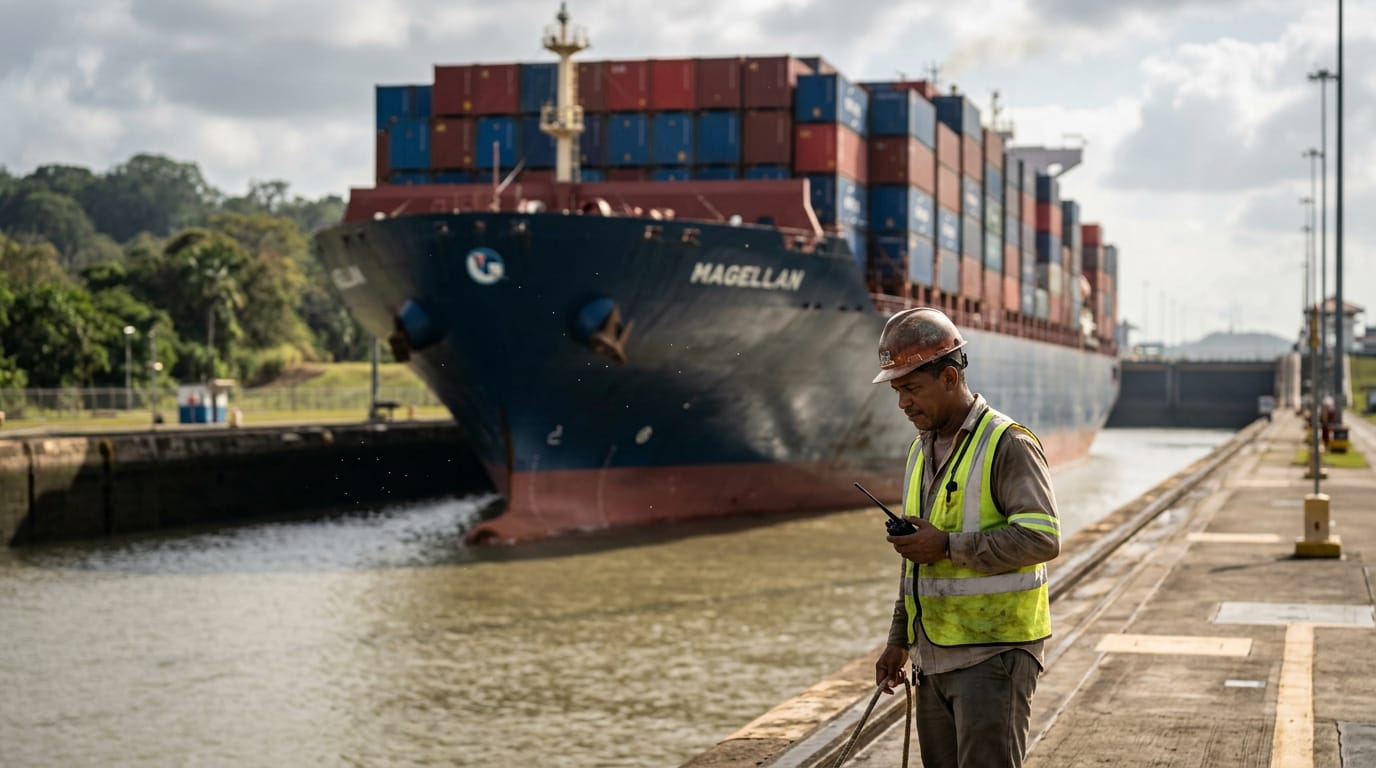
PANAMA CITY – The Panama Canal, a critical artery for global commerce, is set to drastically reduce daily ship transits beginning next month, a measure forced by a severe and persistent drought exacerbated by the El Niño phenomenon. The Panama Canal Authority (ACP) announced the cap, signaling a dramatic response to critically low water levels in the essential freshwater lakes that feed the colossal lock system. This unprecedented move is poised to create significant ripple effects across international supply chains, potentially leading to increased shipping costs, longer transit times, and widespread logistical disruptions for industries worldwide.
Navigating the New Normal: Restricted Passage Takes Hold
Effective September 3, 2026, the number of vessels permitted to cross the interoceanic waterway will be lowered from its typical capacity of 36-38 ships per day to 34. A further reduction will take effect on September 15, limiting daily transits to just 32 vessels. This decision marks a reversal from an earlier assurance in May that no such restrictions were anticipated for the year. The new limits will allocate nine daily slots for the larger Neopanamax locks and 25 for the older Panamax locks, further decreasing to 23 for Panamax locks by mid-September.
The canal’s operational model heavily relies on freshwater from Gatun Lake and Alajuela Lake, which are integral to raising and lowering vessels through the lock chambers. Each transit consumes approximately 200 million liters of water, which is then discharged into the sea, highlighting the canal's profound dependence on consistent rainfall. With rainfall between May and August 2026 recorded at 34% below the historical average, and watershed inflows plummeting 44% below normal levels, the ACP states these restrictions are vital for the long-term sustainability of the waterway. Shipping companies without pre-booked reservations are expected to face significantly longer waiting times, a scenario that previously led to bottlenecks of up to 160 vessels and delays of over three weeks in prior drought events. Expedited slots, acquired through an auction system, have already seen bidding wars, with one company reportedly paying nearly $4 million in April 2026 for priority passage, indicating the escalating costs associated with canal access.
El Niño's Grip: A Changing Climate Reality
The primary driver behind the current crisis is the intensifying El Niño phenomenon, a natural climate pattern characterized by the warming of surface temperatures in the equatorial Pacific Ocean. El Niño typically alters weather patterns globally, frequently bringing drier conditions to Panama. Climate scientists and canal officials anticipate this current El Niño event could be one of the strongest on record and potentially extend well into 2027. The canal has faced similar challenges in recent years, particularly during the severe droughts of 2023 and 2024, which saw daily transit numbers slashed to as low as 18 to 22 ships. These recurring droughts underscore a growing concern about the changing rainfall patterns in the region, with some experts noting a shift from historical averages, where major rainfall deficits occurred roughly every 20 years, to more frequent severe events.
The Panama Canal’s freshwater reserves are not only crucial for global trade but also serve as a vital source for over half of Panama’s 4.3 million inhabitants, creating a complex challenge for resource management. The dual demand places immense pressure on the lakes, which face an estimated water deficit of 3 billion liters daily. The unprecedented intensity and potential longevity of the current El Niño event present a critical test for how this vital resource can be managed to serve both local communities and international commerce.
Global Supply Chains Brace for Impact
As a linchpin of international trade, handling approximately 5% of global maritime commerce and about 40% of U.S. container traffic, disruptions at the Panama Canal reverberate far beyond Central America. The new transit restrictions, coupled with existing limitations on vessel draft — the maximum depth a ship can sit in the water — mean that many ships may be forced to carry less cargo to navigate the shallower waters. Although draft reductions planned for September 2 and October 1, 2026, have been delayed to ease immediate pressure, the underlying water shortage indicates that such measures remain a distinct possibility if conditions worsen.
The consequences for global trade are multifaceted. Companies face increased costs, not only from higher reservation fees for canal access but also from potentially higher freight rates, which some reports indicate surged by 20-30% in prior drought periods. Many shippers may consider rerouting vessels via the Suez Canal or around the Cape of Good Hope, adding thousands of miles, weeks to transit times, and significantly more fuel consumption. These diversions can delay delivery of a vast array of goods, from consumer products and agricultural commodities to energy supplies, potentially affecting inflation and disrupting manufacturing schedules globally. The uncertainty introduced by these restrictions also makes supply chain planning more complex and less predictable for businesses relying on the canal's efficiency.
Adapting to a Water-Scarce Future
In response to the escalating water challenges, the Panama Canal Authority has proactively implemented various water conservation strategies. These include the use of water-saving basins in the Neopanamax locks, which can recycle up to 60% of the water used in each transit. Additionally, cross-filling protocols between lock chambers in the Panamax locks allow for the reuse of water, reportedly saving the equivalent of six daily transits. Stricter controls on water leaks and the suspension of hydraulic assistance during lockages are also part of ongoing efforts.
Looking ahead, the ACP acknowledges the need for both immediate and long-term solutions. While these operational adjustments help mitigate the impact of reduced rainfall, the sustained severity of El Niño events and the broader implications of climate change point to a future where water scarcity may become a more permanent operational challenge. The canal administration has emphasized its commitment to exploring all available options, including potential infrastructure projects to enhance freshwater storage, to ensure the waterway's long-term viability and its continued role as a cornerstone of international trade. The ongoing drought serves as a stark reminder of the vulnerability of critical global infrastructure to environmental shifts and the urgent need for resilient strategies in a changing climate.