Paris Votes to Expand Car-Free Zones, Continuing Green Transformation
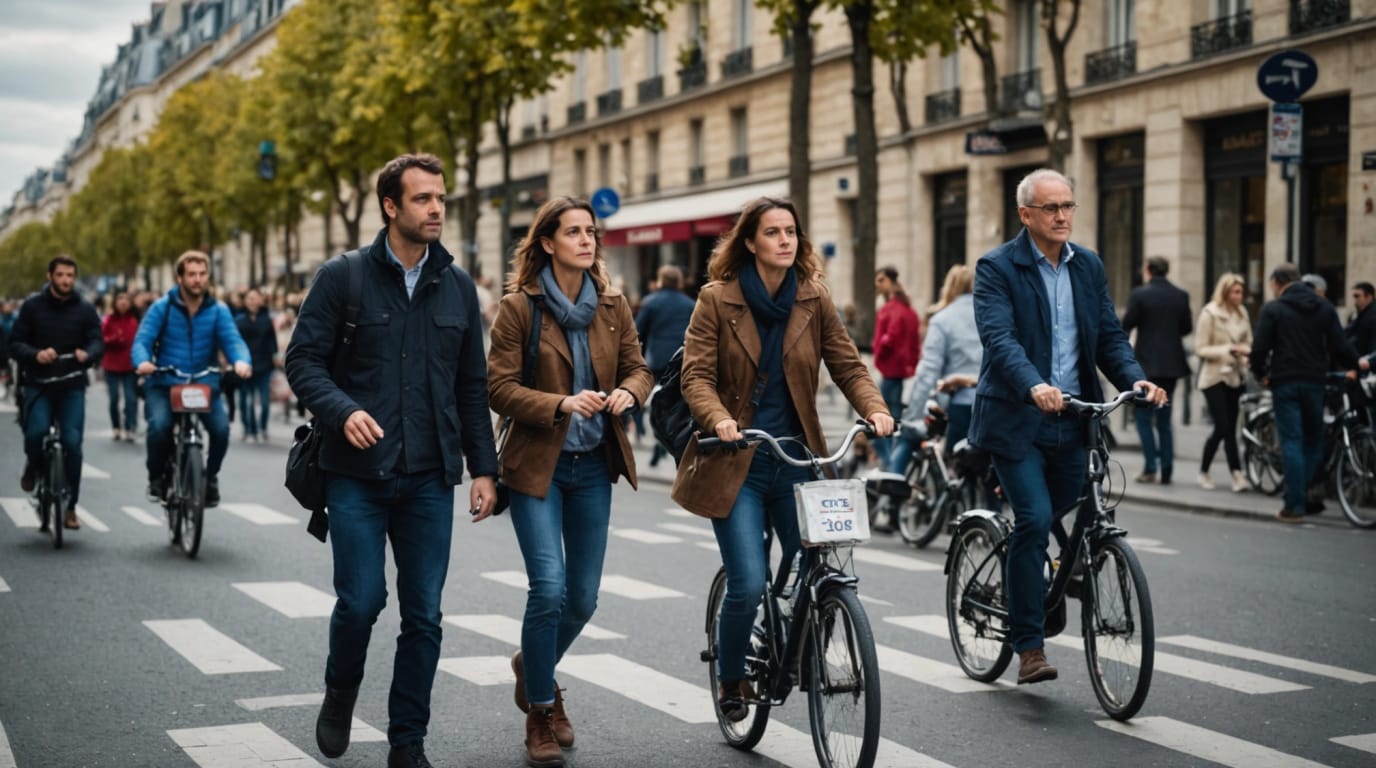
Parisians have voted in favor of significantly expanding car-free zones throughout the city, marking the latest step in a long-term effort to prioritize pedestrians, cyclists, and public transportation over private vehicles. The move, approved in a recent referendum, will see 500 streets "greened" and transformed into pedestrian areas, potentially eliminating up to 10,000 parking spaces in the coming years.
Referendum Results and Implementation
In a referendum held Sunday, a clear majority of those who voted, 65.96%, supported the plan to create more pedestrian zones. While the initiative garnered significant support, voter turnout was low, with only 4.06% of the nearly 1.4 million registered voters participating. Despite the low turnout, Mayor Anne Hidalgo hailed the vote as a victory for the city's ongoing efforts to combat noise and pollution and adapt to climate change.
The municipality will begin consultations in the coming weeks to determine which streets will be included in the pedestrianization initiative. The plan is to implement the changes across all 20 of Paris's arrondissements, or administrative districts, with approximately 25 streets per district being transformed. Implementation of the plan is expected to take three to four years.
Background: Paris's Commitment to Reducing Car Usage
The recent vote is part of a broader, long-term strategy by the city of Paris to reduce car usage and promote alternative modes of transportation. Over the past two decades, Paris has implemented a range of measures aimed at reclaiming urban space from automobiles and creating a more sustainable and livable city.
These measures include:
- Pedestrianizing the banks of the Seine: In 2013 and 2016, Mayor Anne Hidalgo closed highways that once ran along the Seine River, creating new public spaces for pedestrians and cyclists.
- Expanding cycling infrastructure: Paris has invested heavily in expanding its cycling network, creating over 550 kilometers of bicycle lanes, including protected cycleways and two-way cycling routes on one-way streets. As of 2023, the regional government has supported the city's efforts by adding 4,000 kilometers of bike paths, a 54% increase since 2019.
- Implementing "school streets": The city has created pedestrianized and landscaped blocks in front of elementary schools to slow traffic or eliminate car access entirely. Since 2000, 205 school streets have been implemented, with 95 more planned by 2026.
- Reducing speed limits: Paris has enforced a new citywide speed limit of 30 kilometers per hour (approximately 19 mph) on most streets.
- Creating car-free zones: The city has established neighborhood car-free zones on weekends and has reduced car space at major intersections, such as the Bastille and République squares, installing pedestrian plazas and vegetation.
- Restricting traffic in the city center: There is now a zone in the city center where through traffic is prohibited, and plans are in place to strictly limit cars in the four central arrondissements.
- Removing parking spaces: Paris is implementing a plan to remove 60,000 parking spaces and replace them with trees and green spaces.
- Increasing parking fees for SUVs: In February 2024, Parisians approved a tripling of parking rates for sport-utility vehicles, arguing that SUVs should pay more because they take up more space.
These efforts have resulted in a significant decline in car traffic in Paris. Car traffic on city streets has fallen by 50% between 2002 and 2022. The proportion of journeys made by car in Paris has dropped by about 45% since 1990, while the use of public transport has risen by 30%, and the share of cyclists has increased tenfold.
The "15-Minute City" Concept
Many of Paris's transportation policies are aligned with the "15-minute city" concept, which aims to create urban neighborhoods where residents can meet all their daily needs within a 15-minute walk or bike ride from home. This concept, championed by Mayor Hidalgo, seeks to reduce reliance on cars and fossil fuels by promoting mixed-use neighborhoods with easy access to essential services, employment, schools, shops, and recreation.
Opposition and Concerns
Despite the support for expanding car-free zones, the plan has faced opposition and raised concerns among some residents and political groups. The conservative opposition has warned that the road closures could restrict access for traders and emergency services, and that the project could entail enormous costs. Some critics accuse the city government of using propaganda and misleading communication tactics to gain support for the plan.
Implications and Future Directions
The expansion of car-free zones in Paris has significant implications for the city's environment, economy, and quality of life. By reducing car traffic, the city aims to improve air quality, reduce noise pollution, and create more space for pedestrians and cyclists. The plan is also expected to boost local businesses by making it easier for people to walk and shop in their neighborhoods.
The success of Paris's transportation policies has made it a role model for other cities around the world seeking to create more sustainable and livable urban environments. The city's ongoing efforts to reduce car usage, expand public transportation, and promote cycling and walking are inspiring other municipalities to adopt similar measures.
As Paris moves forward with its plan to create more car-free zones, it will be important to address the concerns of residents and businesses who may be negatively impacted by the changes. By engaging in open dialogue and finding solutions that work for everyone, Paris can continue to lead the way in creating a more sustainable and equitable urban future.


