Pope Leo XIV Calls for End to Violence, Urges Dialogue in War-Torn Cameroon
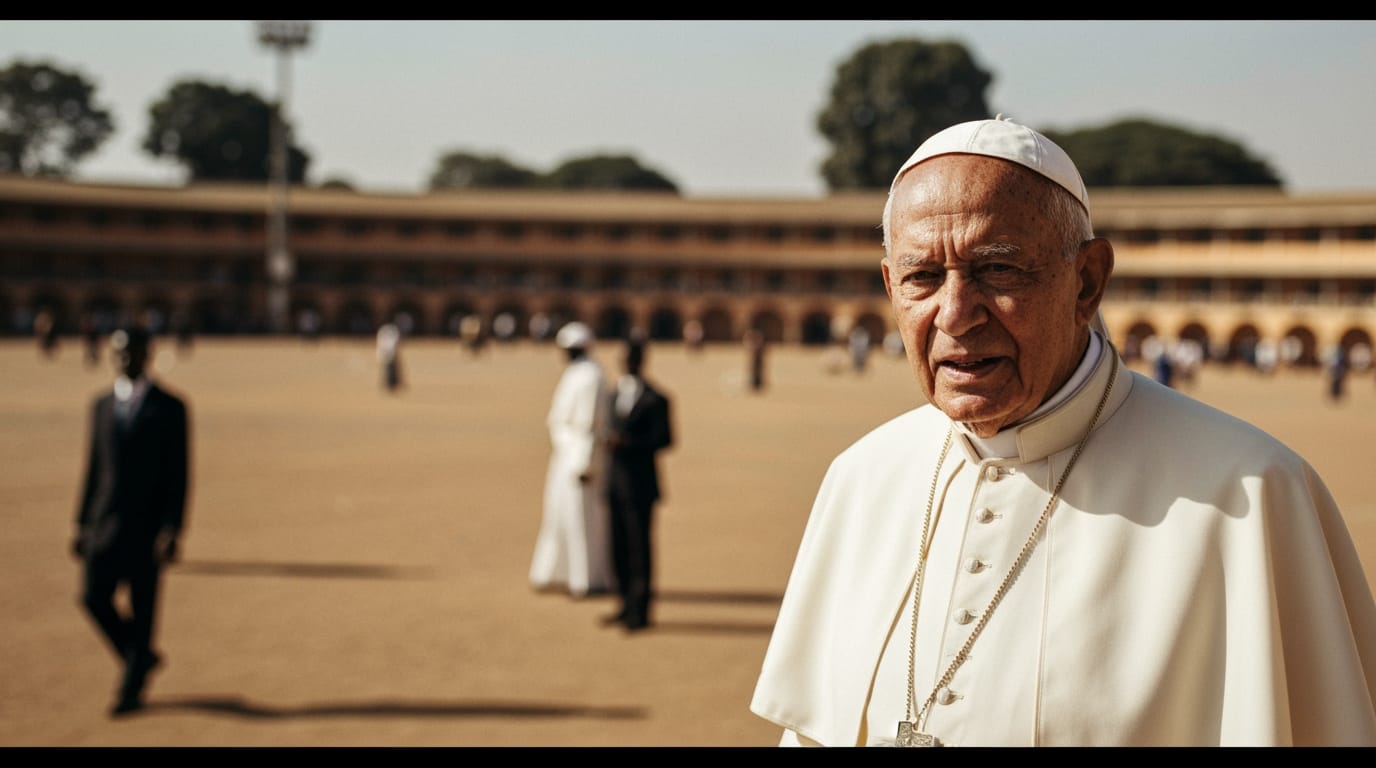
Bamenda, Cameroon – April 16, 2026 – Pope Leo XIV, on a historic visit to Cameroon, delivered a powerful message against violence and for peace, justice, and dialogue, addressing the faithful and leaders in the heart of the nation's Anglophone conflict zone. His impassioned plea from St. Joseph's Cathedral in Bamenda, a city deeply scarred by years of separatist conflict, underscored the urgent need for an end to hostilities and a renewed commitment to reconciliation. The pontiff's presence in the restive region, part of a four-nation African tour, has brought a global spotlight to one of the world's most neglected crises, sparking cautious optimism amid deeply entrenched divisions.
The visit, eagerly anticipated by thousands who lined the streets, saw Pope Leo XIV directly confront the "masters of war," denouncing those who perpetuate conflict and exploit resources while urging all parties to embrace a peace "unarmed" yet "disarming." His message resonated deeply in a country where the Anglophone crisis has claimed thousands of lives and displaced hundreds of thousands since 2017.
Papal Denunciation of War and Exploitation
In a poignant address, Pope Leo XIV strongly condemned the architects of conflict, stating, "The masters of war pretend not to know that it takes only a moment to destroy, yet often a lifetime is not enough to rebuild." He criticized those who "turn a blind eye to the fact that billions of dollars are spent on killing and devastation, yet the resources needed for healing, education and restoration are nowhere to be found." The Pope further castigated those who "rob your land of its resources generally invest much of the profit in weapons, thus perpetuating an endless cycle of destabilization and death." His words, delivered with unusual passion, extended beyond Cameroon's borders, aiming at all responsible for global conflicts and exploitation.
The pontiff also issued a stern warning against the manipulation of faith, declaring, "Woe to those who manipulate religion and the very name of God for their own military, economic and political gain, dragging that which is sacred into darkness and filth." This powerful statement, echoed from previous remarks, highlighted the Pope's consistent theme of faith as a unifying force, not a tool for division.
A Nation Grappling with Deep Scars
Cameroon's Anglophone crisis, rooted in colonial history and fueled by perceived political and economic marginalization of English-speaking regions, erupted into full-blown conflict in 2017. The violence, which pits Anglophone separatists against the Francophone-dominated government, has resulted in over 6,000 deaths and the displacement of more than 600,000 people. Testimonies shared during the peace meeting painted a stark picture of the suffering endured by ordinary Cameroonians. Sister Carine Tangiri Mangu recounted being kidnapped by separatists and held hostage for three days, surviving on prayer. A local chief imam described attacks on mosques and the killing of innocent civilians, including children. Denis Salo shared his harrowing experience of neighbors and a close friend being killed, and homes being burned by both separatist fighters and government soldiers.
Archbishop Andrew Nkea of Bamenda, in welcoming the Pope, lamented that the region's soil has "drunk the blood of many of our children," emphasizing the profound trauma inflicted upon communities. The conflict has disrupted education for years, leaving a generation vulnerable and exacerbating the humanitarian crisis.
Interfaith Cooperation and the Path to Peace
Amidst the turmoil, religious leaders in Cameroon have played a crucial role in fostering dialogue and advocating for peace. Presbyterian and Muslim leaders shared the stage with Pope Leo XIV, underscoring a united front in the pursuit of a peaceful resolution. The Pope lauded these interfaith efforts, noting that the crisis has "brought Christian and Muslim communities closer than ever before" and that religious leaders have formed a "Movement for Peace" to mediate between opposing sides.
The Catholic Church, specifically, has been actively involved in seeking a negotiated solution to the Anglophone conflict. Bishops from the Bamenda Ecclesiastical Province initiated talks with President Paul Biya in 2016, and later efforts in 2019 sought to bring together Anglophone voices for a conference on peace. These ongoing endeavors highlight the Church's commitment to finding a peaceful path forward, even when political solutions have stalled.
Political Implications and Hopes for Dialogue
Pope Leo XIV's visit carried significant political weight, particularly given its timing and location. Separatist factions, in a rare gesture, announced a three-day pause in fighting to coincide with the papal visit, signaling a cautious willingness to engage in dialogue. The pontiff's earlier remarks in Yaoundé, urging reforms and cautioning against corruption and external influence, were seen as an implicit challenge to the decades-long rule of President Paul Biya.
Many Cameroonians harbor hopes that the papal visit could instigate a "broader political reset" and encourage a genuine commitment to a negotiated settlement. Bishop Aloysius Fondong Abangalo of Mamfe emphasized that the Catholic Church plays a "very significant role in resolving this conflict," advocating for dialogue with both separatists and the government. However, some, like Morine Ngum, a widow whose husband was killed in the conflict, expressed skepticism that the visit alone would bring meaningful change without fundamental shifts from those in power.
A Call for Collective Responsibility
Pope Leo XIV emphasized that peace "cannot be decreed: It must be embraced and lived." He stressed that the pursuit of peace is a collective responsibility, starting with civil authorities, and must be grounded in love and justice, rather than fear, threats, or weapons. The Pope called for a "decisive change of course" away from conflict and exploitation, advocating for integral human development as the true measure of profit. He also highlighted the potential of Cameroon's youth, urging investment in education, training, and entrepreneurship to counter frustration, violence, and social ills. The Pope's visit serves as a powerful reminder that peace requires unwavering commitment, sustained dialogue, and the collective will of all stakeholders to heal deep wounds and build a more just and harmonious society.


