Powerful El Nino Could Cause 451,000 Excess Heat Deaths Globally
Extreme heat driven by the current weather pattern threatens vulnerable populations and provides an early look at baseline global temperatures projected for the 2040s.
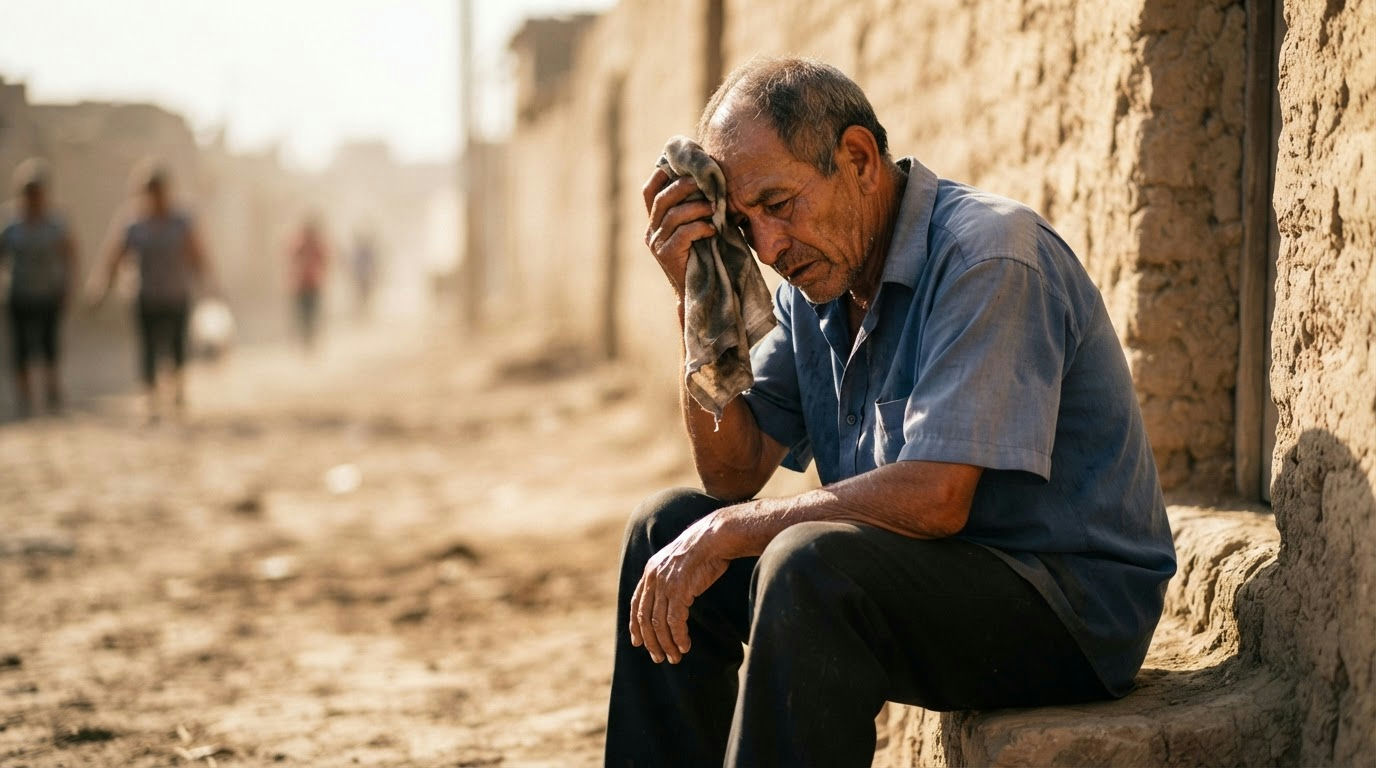
An exceptionally strong El Nino event could cause an estimated 451,000 additional deaths from extreme heat worldwide between June 2026 and February 2027, according to a study released Wednesday by researchers at the Climate Impact Lab. The authors warned that the weather phenomenon is temporarily driving temperatures to levels that could become normal within 20 years.
The report described the current event as a postcard from the future. Researchers found that the combination of El Nino and greenhouse gas pollution could lift global land temperatures 1.2 degrees Celsius above normal. That shift is expected to increase the number of extremely hot days by 44% compared with a typical year.
The projected deaths will concentrate heavily in developing countries across the Global South. The Sahel region of Africa is projected to suffer 66,800 additional heat deaths. Nigeria leads all countries with 31,400 projected fatalities, followed by Sudan with 17,500, Niger with 10,000 and Chad with 8,000.
In Southeast Asia, Indonesia faces an estimated 19,300 additional deaths. Another 19,400 deaths are projected across the Philippines, Vietnam, Thailand and Cambodia. India is projected to record 15,800 deaths, while Brazil could see 13,300. The United States is the only Western country in the top 20, with 3,500 projected fatalities.
The estimates account only for heat-related mortality. They exclude deaths from secondary effects such as droughts, wildfires and floods. Michael Greenstone, an economics professor at the University of Chicago and co-founder of the research hub, said in a statement that researchers can now predict temperature impacts on human mortality alongside crop yields.
The study noted that targeted emergency measures can reduce the death toll. Proven interventions include early-warning systems, cooling centers, hydration stations and workplace protections for outdoor laborers. Tamma Carleton, faculty head of research at the Climate Impact Lab, said better emergency responses can save lives now, but communities must invest in long-term resilience so future generations do not live in constant emergency.
The authors said the current forecast covers the period through February 2027. They said they will update the mortality projections as the El Nino event develops into 2027.