Racism: A Daily Scourge for Muslims in Germany
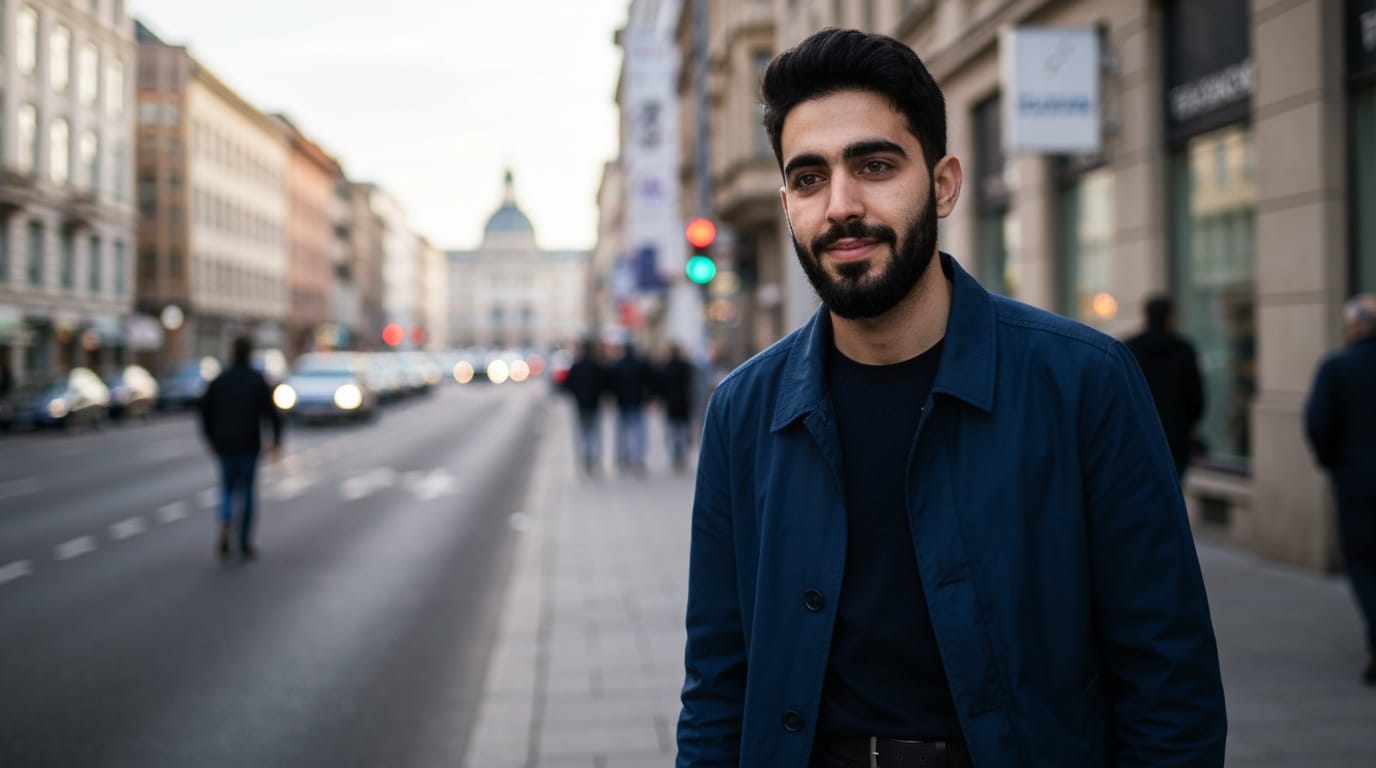
Germany, a nation lauded for its progressive values and diverse society, faces a stark and persistent challenge: the pervasive reality of racism against its Muslim population. Far from isolated incidents, anti-Muslim sentiment manifests daily in various forms, from overt discrimination in public spaces to structural barriers in employment and housing, profoundly impacting the lives of millions. Recent reports and studies paint a sobering picture, revealing a deep-seated animosity that undermines social cohesion and calls for urgent, comprehensive action.
The Unmistakable Pattern of Discrimination
For many of Germany's approximately 5.5 million Muslims, who constitute the second-largest Muslim population in Western Europe, discrimination is not an abstract concept but a tangible, everyday experience. Data from various sources consistently highlight the alarming frequency of these incidents. In 2025 alone, the Alliance Against Islamophobia and Anti-Muslim Hate (CLAIM) documented over 4,000 anti-Muslim incidents, marking a significant 33% increase from the 3,080 cases reported in 2024. This translates to an average of more than 11 anti-Muslim incidents occurring daily across the country. These incidents span a wide spectrum, including verbal attacks, which accounted for the largest share at 61% of cases, followed by direct discrimination (21.5%), and harmful behaviors such as physical assault and property damage (17.4%). Moreover, authorities recorded 1,554 anti-Muslim hate crimes in 2024, with 54 mosques targeted and 53 individuals injured. The government's own figures from January to September 2025 noted 930 Islamophobic crimes, with 31 attacks on mosques resulting in 37 injuries. The sheer volume and consistency of these numbers underscore a systemic issue rather than sporadic occurrences.
The impact extends to virtually every facet of life. Studies show that over 40% of Muslim men report experiencing racism daily. Discrimination is particularly acute in public offices and when dealing with authorities, including the police, where 51% of Muslim men and 46% of Muslim women reported negative experiences. The housing market presents another significant hurdle, with research indicating that 35% of Muslim residents are more likely to be denied apartment viewings due to their names or appearance. Even the healthcare system is not immune, with concerns raised about racial bias affecting appointment scheduling and the perception of suffering among racially marked individuals. These challenges are particularly acute for Muslim women who wear headscarves, who report higher rates of discrimination across all areas of life. Despite the widespread nature of these experiences, reporting remains low, with experts suggesting that only about 10% of Muslims report hostility and hate crimes, implying the actual figures are significantly higher.
Deep-Seated Prejudices and Political Fuel
The prevalence of anti-Muslim racism in Germany is not an isolated phenomenon but is deeply rooted in societal prejudices and exacerbated by political rhetoric. Surveys reveal a disturbing level of anti-Islamic sentiment within the broader German population. Nearly half of all Germans support anti-Muslim statements, and almost every second person holds an anti-Islamic attitude. A 2023 study found that 52% of the population perceives Islam as "very" or "rather" threatening, while 54% of non-Muslims view Islam primarily as a political ideology. These perceptions contribute to the "othering" of Muslims, even those who are German-born citizens.
This environment is significantly amplified by the rise of far-right political parties, most notably the Alternative for Germany (AfD). The AfD has openly declared that "Islam does not belong to Germany," a stance that has infiltrated mainstream discourse and normalized anti-Muslim rhetoric. The party's populist and anti-immigrant narratives often exploit existing anxieties, fueling Islamophobia and contributing to a climate where hate speech and discriminatory actions become more acceptable. The tragic 2020 Hanau attack, which killed nine people of predominantly Muslim background, stands as a stark reminder of the deadly consequences of such extremist ideologies.
The Human Cost and Eroding Trust
The constant exposure to racism, hatred, and violence inflicts a profound human cost on Germany's Muslim communities. It fosters a pervasive sense of insecurity and marginalization, eroding their sense of belonging and trust in societal institutions. The daily microaggressions and overt acts of discrimination contribute to psychological distress and hinder full social and economic participation. This environment contradicts the fundamental principles of an open and inclusive society.
The lack of effective redress and the perceived sluggishness of governmental responses further exacerbate this distrust. Many victims hesitate to report incidents, feeling that their concerns will not be taken seriously or that meaningful action will not follow. This creates a cycle of underreporting that obscures the full extent of the problem and limits the ability of authorities to address it comprehensively. The Independent Group of Experts on Muslim Hostility noted that despite the significant challenges, Germany's Interior Minister Nancy Faeser acknowledged that "Muslims in Germany experience exclusion and discrimination in their everyday lives — right up to hatred and violence," and stressed the importance of making this visible.
Challenges in Response and Calls for Action
Despite growing awareness, Germany's response to anti-Muslim racism faces significant challenges. Human Rights Watch has criticized the German government for falling short in protecting Muslims, citing a narrow understanding of the problem, a lack of official data collection, and insufficient institutional support for victims. Critics argue that authorities often categorize incidents as merely "anti-Islamic" motives rather than explicitly acknowledging them as racism, thereby failing to grasp the intersectional nature of the hostility faced by Muslim individuals. This semantic distinction can have practical implications for how crimes are investigated and how victims are supported.
There is a growing consensus among civil society organizations and experts that a more robust and clearly defined strategy is needed. This includes recognizing anti-Muslim hate as a form of racism, rather than just faith-based hostility, and establishing comprehensive mechanisms for data collection and monitoring. Anti-racism commissioner Reem Alabali-Radovan has emphasized the importance of acknowledging everyday and systemic racism and providing stronger assistance to those affected. Legislative actions, such as bans on specific religious garments, have also drawn scrutiny for potentially reinforcing discrimination rather than promoting integration. While there have been governmental reports and acknowledgements of the issue, the implementation of effective countermeasures and the building of trust within Muslim communities remain critical areas for improvement.
The ongoing struggle against anti-Muslim racism in Germany demands sustained political will, a commitment to rigorous data collection, and genuine engagement with affected communities. Only through a multi-faceted approach that addresses both overt acts of hate and underlying systemic biases can Germany truly uphold its values of equality and ensure that all its citizens, regardless of their faith, can live free from prejudice and discrimination.


