Ramadan's Global Start Fractured: Saudi Arabia Leads Wednesday Observance Amidst Diverse Declarations
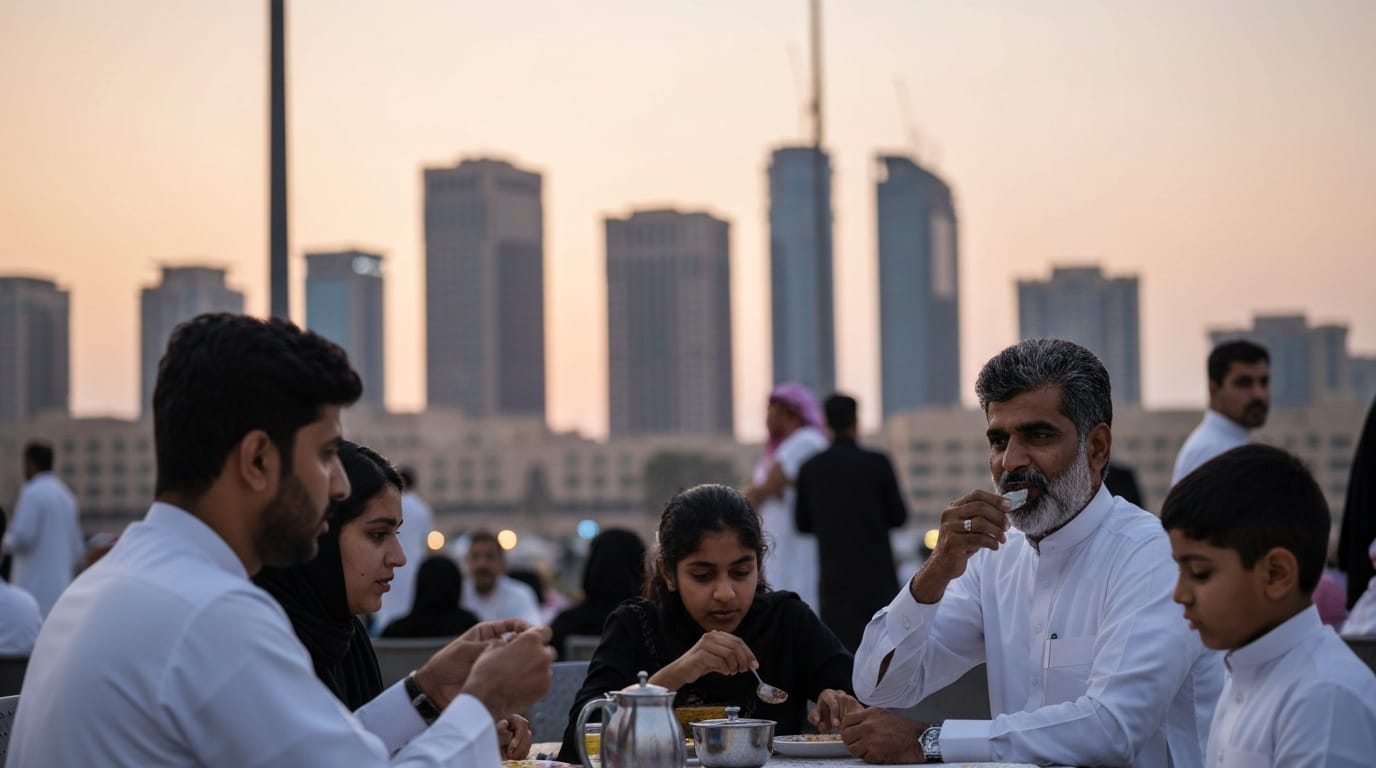
The holiest month in the Islamic calendar, Ramadan, is set to commence with a bifurcated start across the globe this year, highlighting the enduring complexities of lunar calendar determinations. Saudi Arabia, home to Islam's most sacred sites, officially announced that fasting would begin on Wednesday, March 13, following the sighting of the new crescent moon. However, numerous other Muslim-majority nations and communities worldwide have declared Thursday, March 14, as the first day of the fasting month, underscoring a long-standing divergence in the interpretation and application of Islamic astronomical principles.
The split declaration initiates a period of profound spiritual devotion for Muslims globally, characterized by daily fasting from dawn until sunset, intensified prayer, charitable acts, and communal gatherings. While the core tenets of Ramadan remain universal, the differing start dates reflect varying methodologies for confirming the beginning of each lunar month, a practice steeped in tradition, scientific observation, and religious interpretation. This year's distinction sets the stage for a unique observance, where neighbors in some regions might begin their spiritual journey a day apart, united in faith but separated by the moon's elusive appearance.
The Crescent's Elusive Glimpse: Tradition Meets Modernity
The Islamic calendar, known as the Hijri calendar, is purely lunar, meaning its months begin with the sighting of the new crescent moon (hilal). This traditional method, rooted in prophetic teachings, requires verifiable visual confirmation of the moon following its conjunction. In Saudi Arabia, the Supreme Court reviews testimonies from designated moon-sighting committees across the kingdom. Upon sufficient and verifiable sightings on Tuesday evening, the court made its definitive announcement, signaling the end of the preceding month of Sha'ban and the dawn of Ramadan.
This traditional approach, however, often faces challenges in the modern era. Factors such as geographical location, atmospheric conditions, light pollution, and even the observer's eyesight can impact the visibility of the faint crescent. Consequently, while Saudi Arabia's declaration carries significant weight due to its religious stature, other nations employ diverse criteria. Some prioritize local sightings within their own borders, while others rely on advanced astronomical calculations to predict the moon's visibility, or follow the declarations of a regional consensus or a different prominent Islamic authority. This blend of traditional decree and contemporary science often leads to the discrepancies observed annually.
For many Islamic scholars and scientific bodies, the debate between purely visual sighting and astronomical calculation is a perennial one. Proponents of astronomical calculation argue for its precision and ability to unify the Muslim world on a single starting date, removing uncertainties. They contend that modern science offers a reliable means to determine the moon's position with absolute accuracy. Conversely, advocates for traditional sighting emphasize adherence to the literal interpretation of religious texts, which they believe necessitates human observation, even if it results in localized variations. This dynamic tension is precisely what manifests in the two distinct start dates for Ramadan this year.
A Global Mosaic of Observance: Unity Amidst Variance
The staggered start of Ramadan translates into a nuanced global observance. In countries like the United Arab Emirates, Qatar, Kuwait, and Bahrain, authorities also confirmed Wednesday as the beginning of the holy month, aligning with Saudi Arabia. This synchronicity creates a regional coherence across much of the Gulf. However, nations including Indonesia, Malaysia, Singapore, Brunei, and Australia, among others, have declared Thursday as their first day of fasting, following their respective local moon-sighting committees or religious bodies. Similar announcements are expected from various communities in Europe and North America, where local Islamic councils often coordinate their declarations.
This variance, while sometimes prompting discussions about global Islamic unity, is largely accepted as part of the diverse tapestry of Islamic practice. For devout Muslims, the core purpose of Ramadan – introspection, spiritual purification, empathy for the less fortunate, and drawing closer to God – transcends geographical or calendrical differences. Families with members residing in different time zones or countries may experience a momentary disconnect in their spiritual timings, but the collective spirit of fasting and worship remains an unbreakable bond. The global Muslim population, estimated at nearly 2 billion, will collectively embark on this sacred journey, whether beginning on Wednesday or Thursday, each group observing the month in accordance with the rulings of their respective religious authorities.
The differing dates also reflect the decentralized nature of Islamic religious authority. Unlike some other major religions, there is no single global ecclesiastical body that dictates the start of Ramadan for all Muslims. Decisions are typically made at national or regional levels by supreme courts, grand muftis, or religious affairs ministries. This autonomy ensures that local conditions and interpretations are respected, even if it means some communities begin fasting earlier or later than others.
The Rhythms of Ramadan: Preparation and Practice
As the world transitions into Ramadan, the rhythms of life for Muslims shift profoundly. Preparations typically begin weeks in advance, with families cleaning homes, stocking up on essential food items for iftar (the evening meal to break the fast) and suhoor (the pre-dawn meal), and planning spiritual activities. Mosques prepare for increased attendance, especially for the nightly Tarawih prayers, which are a special feature of Ramadan. Charitable organizations intensify their efforts, as the month is a time of heightened generosity and giving, with zakat (obligatory charity) often disbursed during this period.
During Ramadan, daily life is reoriented around spiritual discipline. From the pre-dawn meal of suhoor, which provides sustenance for the day, to the sunset call to prayer that signals the breaking of the fast with iftar, each day is structured by acts of devotion. Beyond abstaining from food and drink, Muslims also strive to abstain from gossip, anger, and other negative behaviors, focusing instead on kindness, patience, and compassion. The evenings are vibrant with communal iftars, where families, friends, and neighbors gather to share meals and strengthen social bonds, followed by congregational prayers that extend late into the night.
The month culminates in Eid al-Fitr, the "Festival of Breaking the Fast," a joyous celebration that marks the successful completion of Ramadan. Just as the start date varies, so too will the celebration of Eid al-Fitr, with communities following their respective moon sightings to determine the end of the fasting period.
Ultimately, whether starting on Wednesday or Thursday, the arrival of Ramadan ushers in a period of immense spiritual significance for Muslims worldwide. Despite the calendrical variations, the essence of the holy month — its call for self-discipline, spiritual reflection, community solidarity, and profound devotion — remains a unifying force. As billions prepare to embark on this journey, the diverse starts serve as a reminder of the global reach and inherent adaptability of Islamic practice, all centered around a shared pursuit of faith and righteousness.


