Ratko Mladić, "Butcher of Bosnia" and Convicted War Criminal, Dies at 84
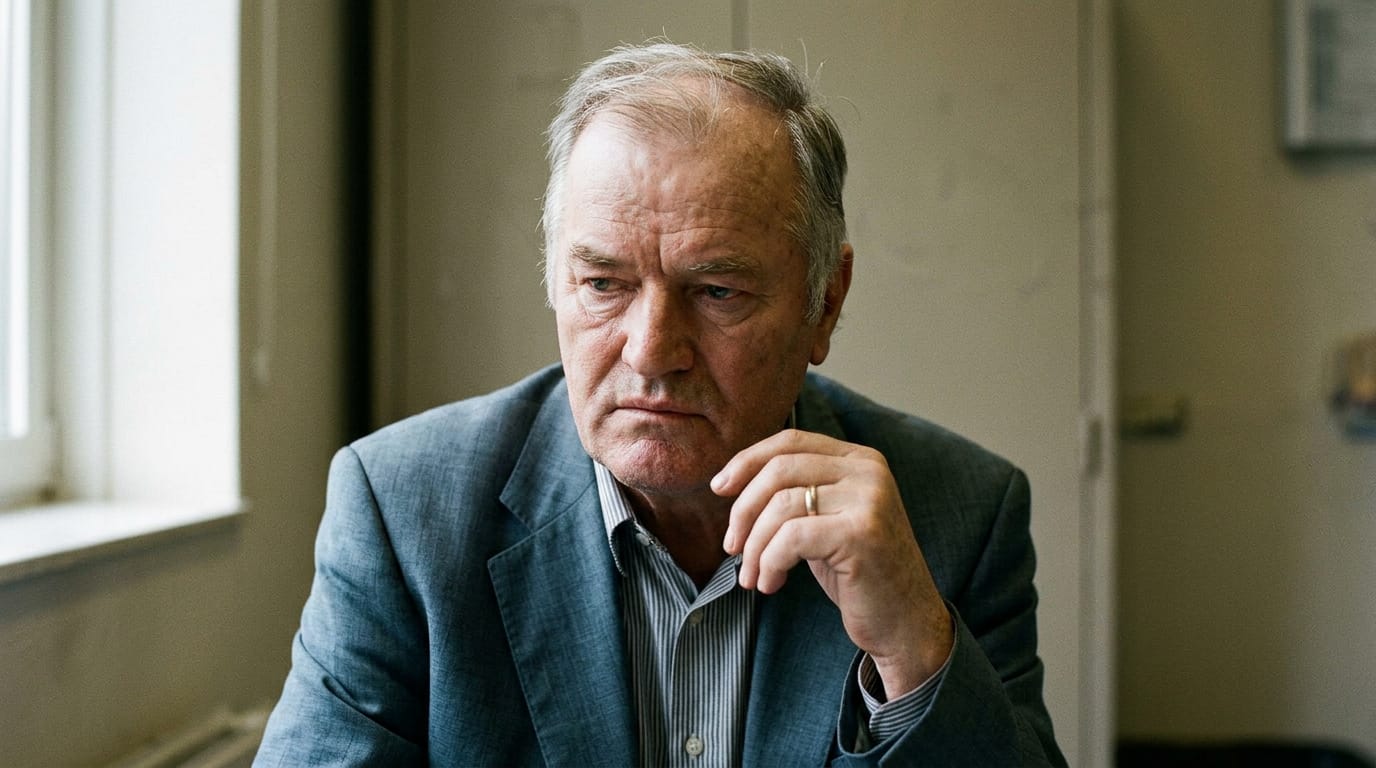
THE HAGUE, Netherlands – Ratko Mladić, the former Bosnian Serb military commander known as the "Butcher of Bosnia" and convicted of genocide, war crimes, and crimes against humanity, has died at the age of 84. Serbian television reports indicate Mladić passed away on August 27, 2026, in The Hague, Netherlands, where he was serving a life sentence for his role in the brutal 1992-1995 Bosnian War. His death closes a dark chapter in European history, bringing a final end to the life of a figure synonymous with some of the continent's most horrific atrocities since World War II.
Mladić's passing stirs a complex mix of emotions across the former Yugoslavia and the international community, offering a form of closure for many victims and their families while reigniting painful memories of the conflict. He was a central figure in the systematic campaign of ethnic cleansing that tore Bosnia and Herzegovina apart, leaving an indelible scar on the region and challenging the world's conscience.
A Military Career Steeped in Conflict
Born on March 12, 1942, in Božanovići, a village in what is now Bosnia and Herzegovina, Ratko Mladić's early life was marked by the turmoil of World War II, during which his father, a Partisan leader, was killed. He rose through the ranks of the Yugoslav People's Army (JNA), becoming a brigadier general. As Yugoslavia began to fragment in the early 1990s, Mladić became a prominent military figure. He was initially assigned to Knin, Croatia, and later to Sarajevo in May 1992. Just days after his arrival in Sarajevo, he was appointed commander of the Bosnian Serb Army (VRS) by the assembly of the self-declared autonomous Republika Srpska. In this capacity, Mladić wielded immense power, commanding forces that played a pivotal role in the Bosnian War.
The Horrors of Sarajevo and Srebrenica
Mladić's command was directly linked to some of the most heinous acts of the Bosnian War. He oversaw the devastating 44-month siege of Sarajevo, a campaign of terror that indiscriminately targeted civilians. During the siege, Bosnian Serb forces subjected the city's inhabitants to relentless artillery, mortar, machine-gun, and rifle fire, resulting in the deaths and injuries of thousands.
However, Mladić is most infamously associated with the Srebrenica massacre in July 1995. After Serb forces overran the UN-declared "safe area" of Srebrenica, Mladić was found to have masterminded the systematic execution of at least 7,000 to 8,000 Bosniak (Bosnian Muslim) men and boys. This act of mass murder was deemed the worst episode of its kind in Europe since World War II. The International Criminal Tribunal for the former Yugoslavia (ICTY) later confirmed his responsibility for both the siege of Sarajevo and the Srebrenica massacre.
Decades as a Fugitive and Eventual Capture
Following the Bosnian War, Mladić was first indicted by the ICTY in July 1995, just days after the Srebrenica genocide. He was charged with genocide, crimes against humanity, and violations of the laws or customs of war. Despite international arrest warrants, Mladić managed to evade capture for 16 years, becoming one of the most wanted war criminals in the world. He was widely believed to have lived under the protection of military figures and then-Serbian President Slobodan Milošević. During his time in hiding, his family even attempted in 2010 to have him declared legally dead.
His prolonged evasion became a significant obstacle for Serbia's international relations, particularly its aspirations for European Union membership. Finally, on May 26, 2011, Serbian security agents apprehended Mladić in Lazarevo, a village north of Belgrade. His arrest was hailed as a major step towards justice by human rights organizations like Amnesty International. He was subsequently extradited to The Hague to face trial.
The Hague Tribunal and a Landmark Conviction
Mladić's trial at the ICTY formally commenced in May 2012, more than 17 years after the crimes were committed. The prosecution presented extensive evidence, and the court heard testimony from nearly 600 witnesses over 530 trial days. Mladić faced 11 counts, including two counts of genocide, five counts of crimes against humanity, and four counts of violations of the laws or customs of war. These charges encompassed his involvement in the siege of Sarajevo, the Srebrenica massacre, and widespread ethnic cleansing.
On November 22, 2017, the ICTY delivered its final judgment, convicting Mladić on 10 of the 11 charges. He was found guilty of genocide for the Srebrenica massacre, as well as crimes against humanity and war crimes, and was sentenced to life imprisonment. He was acquitted on one count of genocide related to ethnic purges in other municipalities early in the war. Mladić appealed the conviction, but on June 8, 2021, UN appeals judges upheld his convictions and confirmed his life sentence, marking a definitive legal conclusion to his case. The UN's top human rights official at the time, Zeid Ra'ad Al Hussein, described Mladić as the "epitome of evil" and his conviction as a "momentous victory for justice."
A Legacy of Pain and the Pursuit of Justice
Mladić's death closes the physical presence of one of the architects of the Bosnian War, but his legacy of destruction and suffering endures. The conviction and life sentence ensured that he was held accountable for his actions, a significant achievement for international justice. His case, alongside that of Radovan Karadžić, his political counterpart, demonstrated that even those at the highest levels of power could not escape justice for mass atrocities.
For the survivors and victims of the Bosnian War, particularly those who lost loved ones in Srebrenica and Sarajevo, Mladić's passing may offer a measure of peace. However, the profound pain and division caused by his actions continue to resonate deeply within Bosnia and Herzegovina. His death serves as a stark reminder of the devastating human cost of ethnic hatred and the persistent importance of accountability for war crimes. While his absence from the world stage is now permanent, the lessons of the Bosnian War and Mladić's conviction will continue to serve as a critical reference point for human rights and international law.