Record-Breaking Heatwave Scrambles Fourth of July Celebrations Across the U.S.
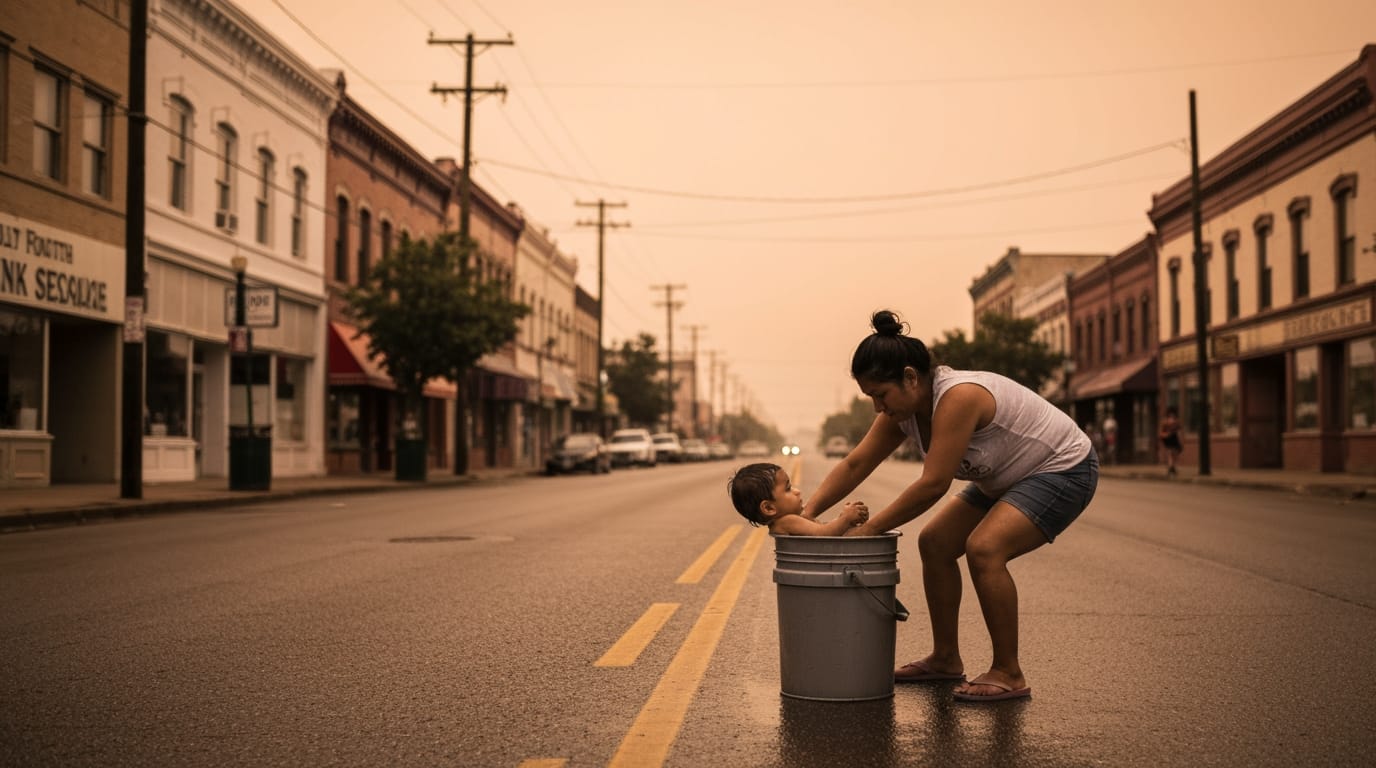
A dangerous and potentially historic heatwave has engulfed vast swathes of the central and eastern United States, forcing the cancellation or significant alteration of traditional Fourth of July celebrations and casting a sweltering shadow over the nation's 250th birthday. With more than 185 million Americans, over half the U.S. population, under extreme heat alerts, communities from the Midwest to the Eastern Seaboard are grappling with triple-digit temperatures and oppressive humidity, raising serious public health concerns and straining critical infrastructure during one of the year's busiest holiday weekends.
The Scorching Reality: A Heat Dome's Grip
The culprit behind the widespread misery is a persistent "heat dome," a high-pressure system that has trapped a mass of hot air over the region, driving temperatures significantly above seasonal averages and exacerbating conditions with high humidity. Temperatures have soared into the 90s and low 100s Fahrenheit, with heat index values—what the temperature "feels like" to the human body—reaching a perilous 115 degrees Fahrenheit (46 degrees Celsius) in some areas. This extreme weather event has led to record-breaking heat in several major cities. Philadelphia experienced a searing 103 degrees Fahrenheit, tying a record set in 1901, while Newark, New Jersey, hit 104 degrees, surpassing a 1966 record. Boston recorded 101 degrees Fahrenheit, breaking a 1963 benchmark, and New York City saw its first triple-digit temperature since July 2012. The National Weather Service (NWS) has warned that night-time temperatures will offer little relief, remaining in the 70s, increasing the cumulative impact of prolonged heat exposure.
Independence Day Interrupted: Events Altered and Abandoned
Across the affected regions, officials have been compelled to make difficult decisions regarding cherished Independence Day festivities, leading to numerous cancellations and postponements. The Great American State Fair on the National Mall in Washington D.C., a centerpiece of President Donald Trump's efforts to mark the nation's 250th birthday, was temporarily closed as temperatures climbed to 101 degrees Fahrenheit (38 degrees Celsius). In Philadelphia, a city central to the nation's founding, the marquee "Salute to Independence Parade" was canceled outright due to the extreme conditions. Other events in the city, such as the Wawa Welcome America Salute to Service concert and certain FIFA Fan Festival hours, were also impacted.
Similar disruptions were reported elsewhere. Norristown, Pennsylvania, and Haddon Township, New Jersey, both called off their annual July Fourth parades. In upstate New York, Watertown canceled its Independence Day concert and fireworks display. Even fireworks displays, a hallmark of the holiday, were not immune, with Cripple Creek, Colorado, preemptively canceling its show. Boston opted for a delayed entry to its annual riverside fireworks celebration, pushing back access by four hours to mitigate exposure during the hottest part of the day. These widespread changes underscore the severity of the heatwave and the priority placed on public safety.
Public Health Imperative: A Deadly Threat
Government officials and health experts have issued urgent warnings, emphasizing the potentially deadly nature of the current heatwave. Extreme heat is recognized as the leading cause of weather-related deaths in the United States. The combination of high temperatures and humidity poses significant risks, as high humidity prevents sweat from evaporating, hindering the body's natural cooling mechanisms and increasing the risk of heatstroke, dehydration, and cardiovascular strain. Vulnerable populations, including the elderly, young children, individuals with underlying health conditions, and outdoor workers, are particularly susceptible to heat-related illnesses.
In response, cities are implementing various mitigation strategies. New York City, where average summer heat claims approximately 500 lives annually, has opened outdoor misting stations and deployed mobile cooling vans to distribute water and sunscreen. The American Red Cross has advised people to stay hydrated, seek shade, wear lightweight clothing, and recognize the signs of heat illness, such as heavy sweating, muscle cramps, dizziness, or confusion. Many localities have also opened cooling centers, providing air-conditioned refuge for those without access to it.
Infrastructure and Economic Strain: Ripples Beyond Celebrations
Beyond the immediate impact on festivities and public health, the prolonged heatwave is exerting considerable strain on critical infrastructure and local economies. The immense demand for air conditioning has placed power grids under immense pressure. PJM, the largest U.S. power grid operator serving 67 million people across the Mid-Atlantic, South, and Washington D.C. areas, issued orders for customers enrolled in emergency conservation programs to curb usage. Con Edison in New York City also urged customers to conserve electricity, with reports of power outages affecting approximately 17,000 customers. The strain is so intense that in parts of Manhattan, shoe soles were reported to be sticking to the softened asphalt.
Economically, the cancellations and reduced attendance at outdoor events translate into lost revenue for local hospitality businesses, retailers, and food service providers. While a specific economic toll for the U.S. heatwave was not immediately available, analyses from Europe's own recent heatwaves point to significant economic damage, including reduced labor productivity, impacts on tourism, increased healthcare costs, and strains on transportation and agriculture. These broader implications highlight the growing economic vulnerability to extreme weather events.
Conclusion: A Hot Future and the Need for Adaptation
As the nation navigates this exceptionally hot Fourth of July, the experience serves as a potent reminder of the increasing frequency and intensity of extreme weather events. While the celebrations of America's 250th birthday are overshadowed by the need for caution and adaptation, the resilience of communities is evident in their efforts to adjust, find alternatives, and prioritize safety. This heatwave underscores the critical importance of robust public health initiatives, resilient infrastructure, and proactive planning to mitigate the impacts of a warming climate on both cherished traditions and daily life. The immediate focus remains on safeguarding lives and health through the scorching holiday, while the long-term challenge of adapting to a hotter future looms large.


