Romanian Presidential Election Rerun Plunged into Crisis After Disqualification of Pro-Russian Candidate
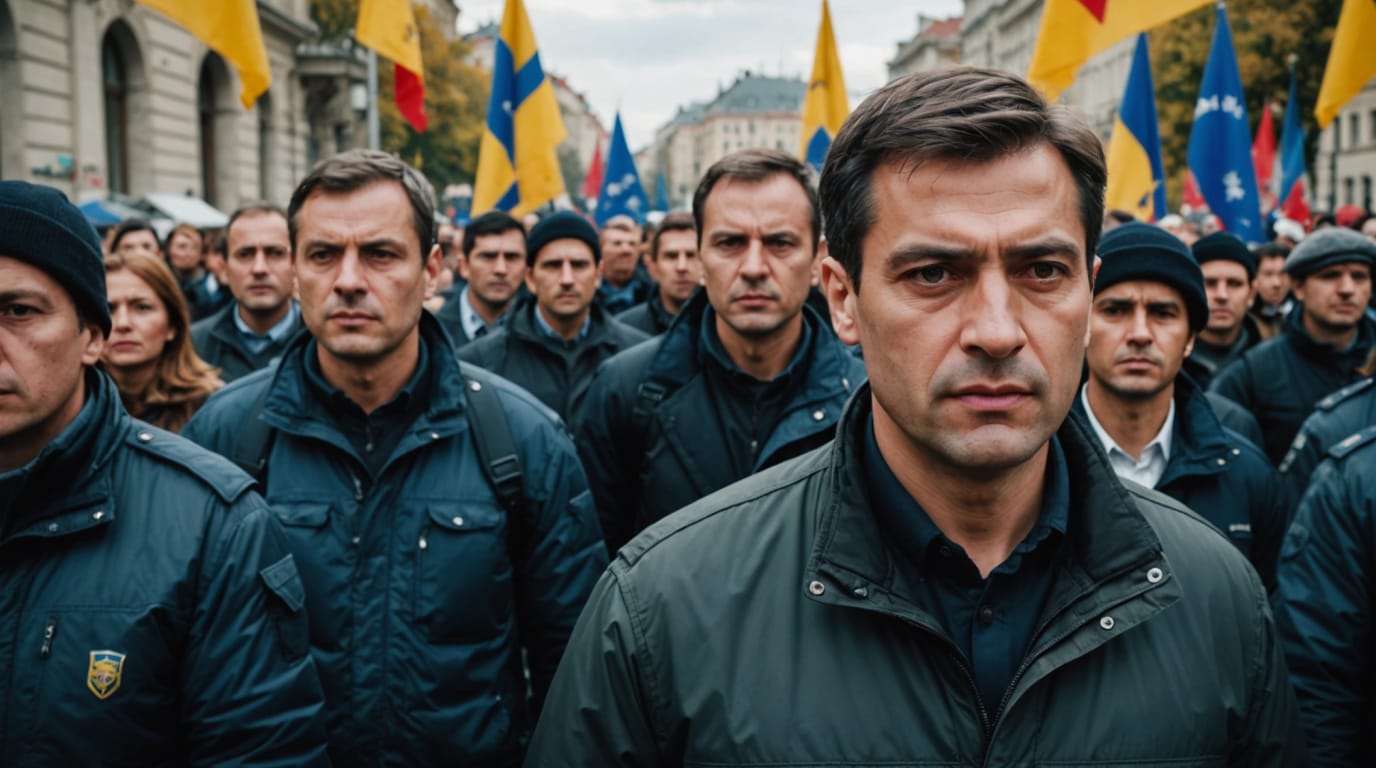
Romania is facing a deepening political crisis after the central election authority disqualified pro-Russian candidate Calin Georgescu from participating in the May presidential election rerun. The decision, based on the annulled December election due to alleged Russian interference, has sparked protests and intensified the existing constitutional turmoil within the NATO and European Union member state. The events have also widened the divide between European leaders and figures in the United States regarding the interpretation and safeguarding of democratic values.
The controversy began with the initial presidential election held in November 2024. Georgescu, an independent candidate, emerged as the frontrunner, followed by Elena Lasconi of the Save Romania Union (USR). However, concerns about irregularities quickly surfaced, prompting President Klaus Iohannis to convene the Supreme Council of National Defense (CSAT) to investigate potential cyber interference in the election.
Intelligence reports later confirmed that Russia had interfered in the election process. The Constitutional Court annulled the first-round results on December 6, citing Article 50, paragraph 3, of Romania's electoral law, which allows for annulment if significant fraud or interference likely impacts the election's outcome. The court stated that the documented Russian interference met this threshold, invalidating the results and mandating a rerun of the electoral process.
The annulment decision was met with criticism from both Georgescu and Lasconi, who viewed it as undermining democratic processes. However, the court defended its decision by stating that voters' freedom to form an opinion includes the right to be correctly informed before making a decision. The court argued that the manipulation of digital technologies and artificial intelligence during the campaign distorted the will of the electorate and violated the principle of equal opportunity among candidates.
The recent decision by the central election authority to disqualify Georgescu from the rerun election has further fueled the crisis. The authority cited the court's previous ruling as grounds for its decision, stating that Georgescu failed to adhere to ballot regulations. The decision has been met with strong opposition from Georgescu's supporters, who have taken to the streets to protest the disqualification.
Hundreds of Georgescu supporters gathered outside the election bureau in Bucharest, chanting slogans and clashing with riot police. Protesters hurled rocks, overturned vehicles, and set rubbish bins ablaze, leading to a tense standoff with authorities. Georgescu himself has denounced the decision as a blow to democracy, echoing claims of tyranny and corruption.
The situation has drawn international attention, with some figures in the United States framing the court's annulment of the December election as evidence of European governments stifling political dissent. European diplomats, on the other hand, have voiced support for the independence of Romania's judiciary.
The controversy surrounding Calin Georgescu extends beyond the election. Prosecutors have launched a criminal investigation against him, accusing him of "incitement to actions against the constitutional order," supporting fascist groups, and false declarations of electoral campaign funding and asset disclosures. Despite these allegations, Georgescu maintains his innocence and claims to be a victim of political persecution.
The Romanian government is trying to guard against Russian election interference. However, such a drastic, unexpected, and last-minute move risks undermining people's faith in democracy. The timing of the court's decision, coming after the Romanian diaspora had already begun voting, only magnifies this impact.
The Romanian Intelligence Service, which led the investigation, had previously downplayed the influence of rising extremist movements. In its public reports, the intelligence service concluded that attempts to form a nationalist movement posed no significant “risks to national security.” Yet the December 1 parliamentary elections told a different story: Far-right forces secured 35 percent of the seats, pushing their presidential candidate to the cusp of victory.
The rise of far-right forces in Romania is a cause for concern. These forces often promote nationalist and anti-immigrant sentiments, which can lead to social division and discrimination. They also tend to be critical of the European Union and NATO, which can undermine Romania's international alliances.
The Romanian crisis highlights the challenges that democratic countries face in the 21st century. Foreign interference, disinformation campaigns, and the rise of extremist movements are all threats to democratic institutions. It is essential for democratic countries to be vigilant in defending themselves against these threats.
The disqualification of Calin Georgescu and the subsequent protests have plunged Romania into a state of political uncertainty. The upcoming presidential election rerun is now fraught with tension, and the outcome could have significant implications for the country's future. The crisis also underscores the broader challenges facing democratic institutions in the face of foreign interference and the rise of extremist movements. As Romania navigates this turbulent period, the resilience of its democratic institutions will be tested. The ability of the country's leaders to bridge divides, uphold the rule of law, and ensure a fair and transparent electoral process will be crucial in restoring public trust and safeguarding Romania's democratic future.