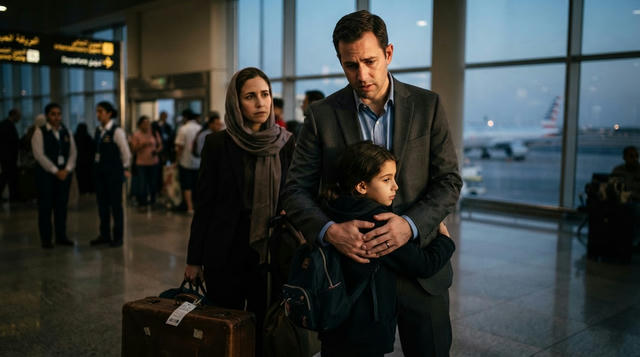
Russia and Ukraine Trade Heavy Strikes on Capitals Following Peace Talks
The overnight bombardments hit Moscow and Kyiv just as American diplomats secured a preliminary agreement to resume trilateral peace negotiations next month.
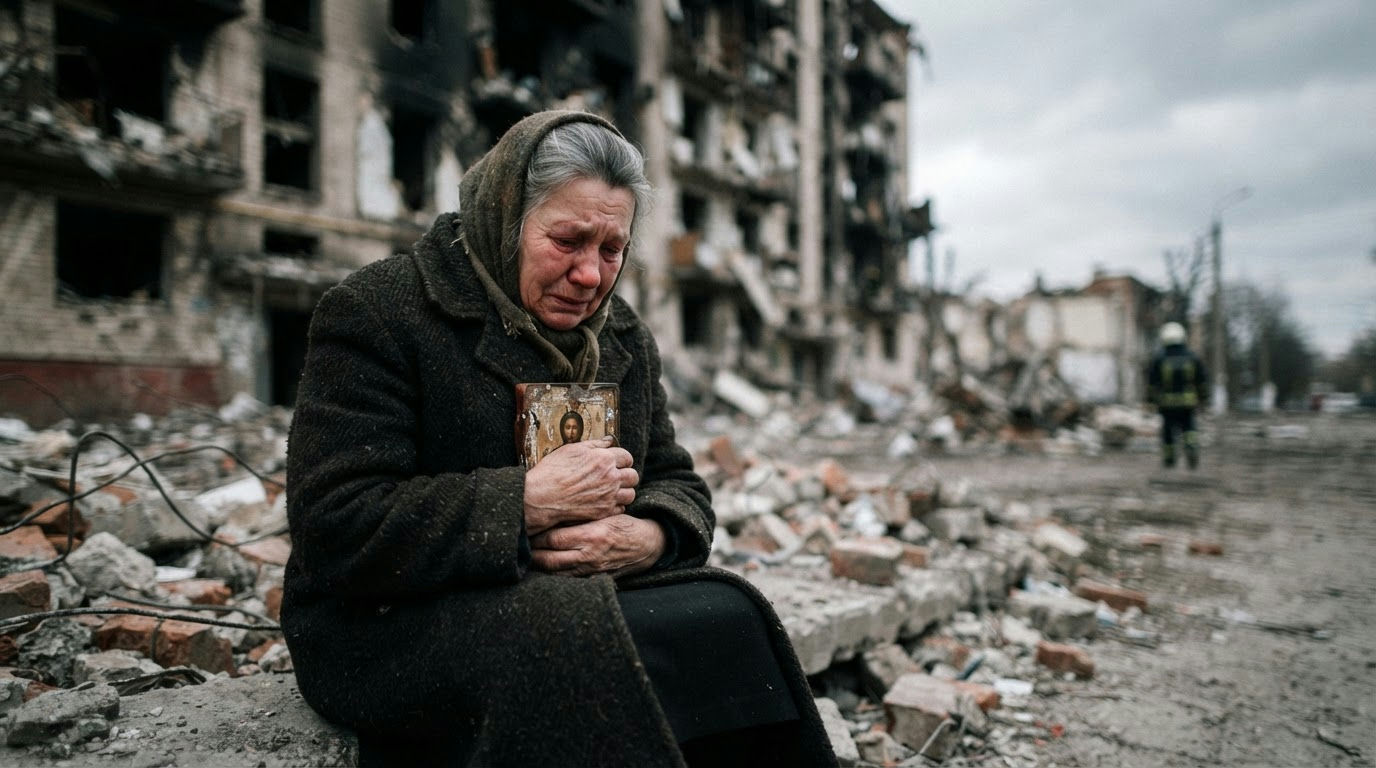
Russia and Ukraine launched extensive reciprocal drone and missile strikes against Moscow and Kyiv overnight into Thursday, Oct. 22, 2026. The attacks occurred hours after high-level diplomatic talks between American and Russian officials.
Moscow Mayor Sergei Sobyanin said Ukraine launched 630 drones toward the Moscow region. Russian air defenses brought down 163 drones as they neared Moscow, while crews intercepted the rest farther out across the region. Falling debris and drone impacts injured two people in the Voronovo area.
In Kyiv, a Russian missile and drone barrage wounded 15 people, with eight requiring hospitalization. The strikes damaged transit infrastructure near the Pivdenny Bridge and disrupted movement across the capital. The Ukrainian Air Force told residents to remain in shelters as ballistic missiles approached the city.
The strikes followed a three-hour meeting in St. Petersburg on Wednesday between Russian President Vladimir Putin and United States Special Envoy Steve Witkoff. Russian presidential adviser Yuri Ushakov and economic envoy Kirill Dmitriev attended in person, while Jared Kushner joined by video link.
The trip marked Witkoff’s ninth official mission to Russia. He traveled from Oslo, where he met on Tuesday with Ukrainian President Volodymyr Zelenskyy. Norwegian Prime Minister Jonas Gahr Støre and Finnish President Alexander Stubb also attended that meeting.
Russia released 74-year-old American Stephen Hubbard without an exchange during Witkoff’s visit. Witkoff described Putin as a humanitarian for releasing Hubbard, which drew criticism from observers in Washington. Witkoff also confirmed that discussions broadened to include Russian diesel shipments to the United States and fertilizer exports.
President Donald Trump stated that the warring nations were the closest they had ever been to ending the war. Ushakov said Russia agreed in principle to resume trilateral talks in mid-November, following the United States midterm elections.
Zelenskyy supported the momentum and reiterated that a direct summit of heads of state was essential. Kremlin spokesperson Dmitry Peskov warned that the overall negotiation process would take substantial time.
Formal trilateral negotiations had been frozen since February 2026 after rounds in Abu Dhabi and Geneva. Ties between Kyiv and Washington had become strained after Trump lifted select sanctions on Russian diesel shipments. Ukrainian defense officials also voiced concern over disruptions to United States intelligence sharing and Starshield satellite restrictions.
Days before the capitals traded strikes, Ukrainian drones set fire to an oil export terminal and fuel storage facility in St. Petersburg. That operation involved roughly 1,000 aerial drones.
Delegations from Ukraine, Russia, and the United States are scheduled to begin technical discussions to structure an agenda for broader peace talks. Formal trilateral negotiations are slated to reconvene after Nov. 10. European and Ukrainian leaders continue to advocate for post-war security guarantees modeled on NATO’s collective defense framework.