Russia Elects New Parliament Amid Mounting Economic Strain and War Anxiety
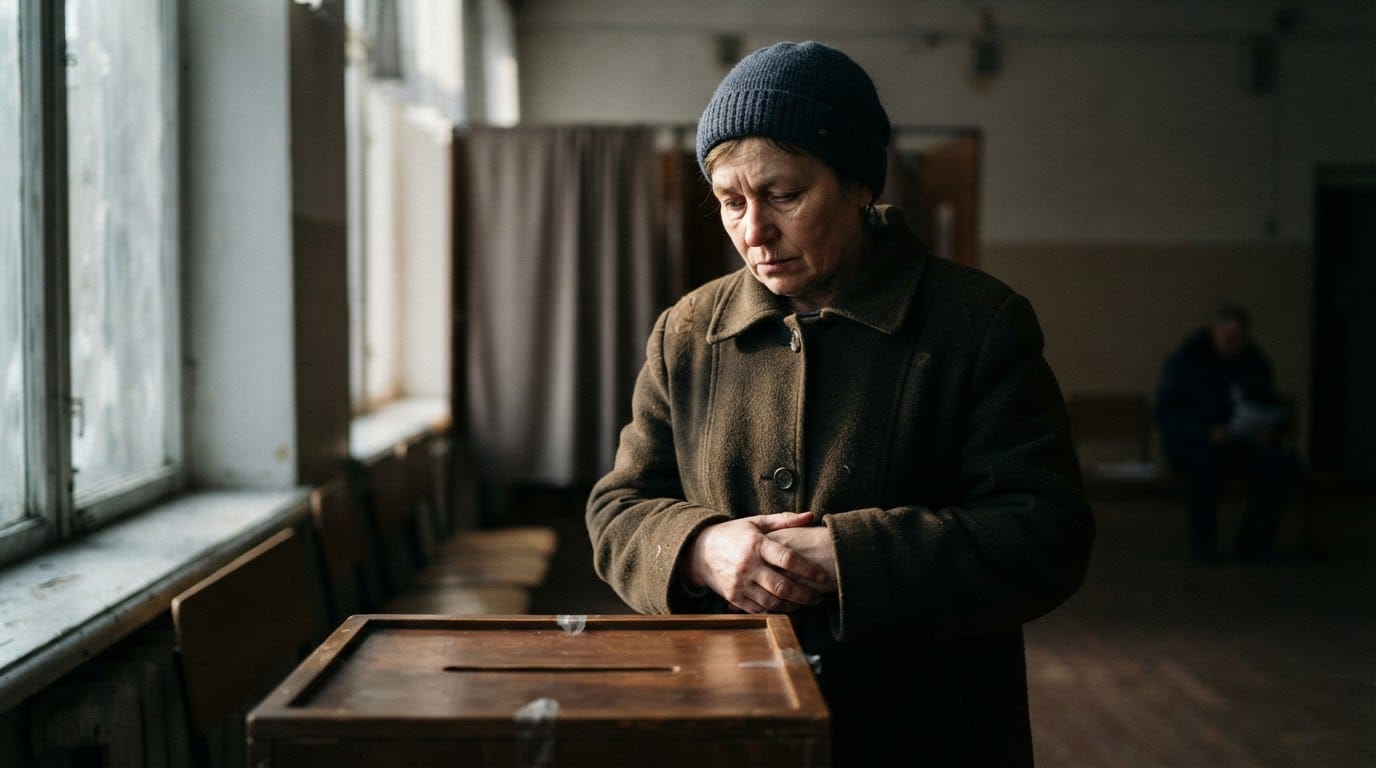
Across 11 time zones stretching from the Pacific coast to the western borderlands, Russian citizens cast ballots in a three-day national election to select all 450 members of the State Duma. Marking the country's first parliamentary contest since the 2022 invasion of Ukraine, the voting process unfolded under an unmistakable atmosphere of public fatigue, domestic economic disruption, and deep uncertainty about the conflict's next chapter. While the outcome in Moscow's lower legislative chamber was virtually guaranteed to keep Kremlin-aligned forces firmly in power, the political climate surrounding the vote presented an increasingly complex test for the country's leadership.
The three-day voting window saw polling stations open across Russia as well as in four occupied Ukrainian regions—Donetsk, Luhansk, Zaporizhzhia, and Kherson—whose integration into the national tally drew swift international condemnation. Authorities treated the exercise as a high-stakes display of national cohesion, even as voters contended with persistent inflation, fuel disruptions, and drone strikes that brought the realities of warfare directly to major civilian and logistical centers.
A Strained Domestic Front
The fifth year of active warfare has reshuffled daily priorities across Russian society. While the Kremlin initially framed the fighting as an isolated military operation, sustained Ukrainian drone incursions have disrupted energy infrastructure, hitting oil refineries and transit nodes deep within Russian territory. These strikes contributed to localized fuel shortages, complicating supply chains and pushing consumer costs upward.
Public opinion metrics capture this shift in mood. Recent polling by the state-linked Public Opinion Foundation indicated that nearly half of respondents identified anxiety as the prevailing sentiment among their peers. Independent polling conducted by ExtremeScan showed that 60% of Russians believe the war has produced adverse consequences for their daily livelihoods. The persistent financial pressures, paired with higher corporate and personal taxes introduced to finance military procurement, have eroded household savings and prompted a noticeable surge in consumer caution.
The most potent source of dread among ordinary citizens centered on conscription. With the previous broad mobilization drive dating back to autumn 2022, rumors circulated throughout the campaign that the Kremlin might launch another draft once the ballots were tabulated. The uncertainty triggered quiet flights of military-age men toward neighboring regional hubs, including Georgia and Central Asian republics, underscoring the delicate line authorities walk between filling frontline ranks and preserving social peace.
A Managed Ballot and the Elimination of Dissent
To guard against unexpected electoral shocks, the government tightened procedural mechanisms and eliminated meaningful opposition. United Russia, the party that has dominated domestic politics for over two decades, campaigned heavily on its connection to the armed services, featuring dozens of returning combat veterans among its parliamentary candidates. The ruling bloc sought to maintain its constitutional supermajority of 300 or more seats, accompanied by systemic parties such as the Communist Party and the Liberal Democratic Party, which routinely endorse Kremlin foreign policy.
Any attempt to run on an explicit peace platform met swift legal barriers. The liberal Yabloko party, the sole registered political entity openly campaigning against the ongoing war, initially gained ballot access through the Central Election Commission. Early polling suggested its anti-war message resonated with up to 18% of voters, especially younger urban demographics. However, the Supreme Court disqualified the party weeks before the election after a rival nationalist party alleged that anti-war rhetoric amounted to calling for the violation of Russia's territorial integrity.
Independent observers noted that the exclusion highlighted internal divisions within the political apparatus. While administrative managers desired a competitive appearance to stimulate voluntary turnout, security officials feared that the campaign would pivot into an open national referendum on the wisdom of continuing the conflict. Prominent dissident figures remained either imprisoned, exiled, or barred from public life, leaving voters with an unchallenging roster of ten officially sanctioned parties.
The Wartime Mechanics of Voting
The voting procedure itself reflected the physical and technical pressures of the conflict. Officials reported heavy distributed denial-of-service disruptions directed at Moscow’s electronic balloting servers and communications networks in the Far East. In southern resort communities such as Sochi, aerial drone warnings briefly forced election workers and voters into protective basements. Farther west, in the Russian-occupied territories of eastern Ukraine, polling stations in Luhansk navigated rolling blackouts caused by targeted strikes against local power plants.
Despite the volatile security environment, turnout figures initially outpaced the 51.7% recorded during the previous legislative cycle in 2021. Kremlin planners relied extensively on multi-day voting, widespread online casting of ballots, and workplace mobilization initiatives across public-sector enterprises to drive up overall participation. In authoritarian governance models, high voter turnout acts as a critical institutional metric, serving to validate administrative efficiency, signal state resilience to domestic elites, and project outward stability.
The official campaign narrative also underwent an evident recalibration. Where state media previously emphasized business-as-usual complacency, official addresses shifted toward framing participation as a patriotic civic duty. Russian leadership explicitly tied Duma participation to soldier support, describing each cast ballot as an expression of national unity behind the military.
A Dual Reality for the Kremlin
The broader political landscape reveals an apparent paradox in Russian public sentiment. While domestic fatigue has fueled broad desire for negotiated settlements, it has not directly translated into open rejection of current leadership. Independent sociological data indicates that armed forces support remains close to 68%, while the president's individual job approval maintains a baseline above 75%.
This dynamic illustrates that war weariness in Russia remains distinct from active political revolt. Many citizens, feeling detached from direct policy influence, adopt an attitude of passive acceptance or rally around state structures in response to foreign sanctions and external pressure. Yet the psychological barrier between civil life and the battlefront continues to thin. Rising living expenses, labor shortages created by military hiring, and disruptions to infrastructure have made the economic cost impossible to ignore.
The newly convened State Duma faces the immediate challenge of addressing these compounded strains. Once the choreographed voting process concludes, the assembly will be tasked with approving heavily militarized federal budgets, managing rising inflation, and navigating potential manpower decisions that voters spent months dreading. The ballot confirmed the Kremlin's tight hold on legislative levers, but the underlying tensions in Russian society suggest that managing an anxious, war-weary populace will remain an enduring domestic challenge.