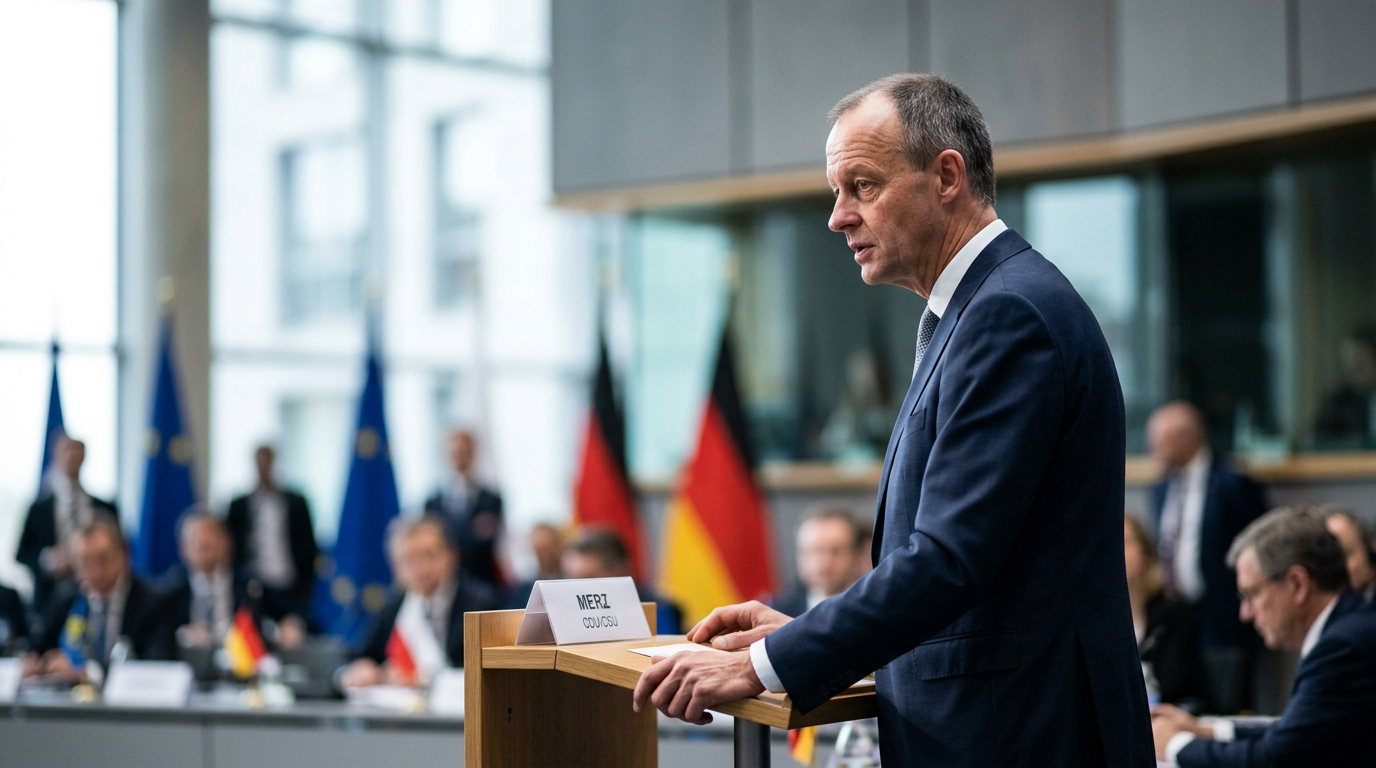
Russia Warns Germany Against Supplying Taurus Missiles to Ukraine
Moscow has cautioned Germany against providing Ukraine with Taurus long-range cruise missiles, claiming such a move would escalate the ongoing conflict. The warning comes as Germany's incoming Chancellor Friedrich Merz has indicated a willingness to consider supplying the missiles, a stance that departs from the more cautious approach of his predecessor. The potential transfer of these advanced weapons has ignited debate within Germany and drawn international attention, raising questions about the future of German-Russian relations and the broader implications for the war in Ukraine.
Merz's Stance and Potential Policy Shift
Friedrich Merz, who is expected to take office in early May, has publicly stated his openness to supplying Ukraine with Taurus missiles, contingent on coordination with European partners. He has argued that providing Ukraine with these advanced weapons systems would enable Kyiv to disrupt Russian military supply lines, particularly those operating from Crimea. Merz has also suggested that the missiles could be used to target strategic Russian military infrastructure, including the Kerch Bridge, a vital link between Russia and the occupied peninsula.
This position marks a potential shift from the policies of outgoing Chancellor Olaf Scholz, who has repeatedly blocked the delivery of Taurus missiles due to concerns about escalating the conflict and potentially drawing Germany into a more direct confrontation with Russia. Scholz has maintained that Germany should avoid providing Ukraine with weapons capable of striking deep inside Russian territory.
Russian Condemnation and Threats
The Kremlin has reacted strongly to Merz's statements, with spokesman Dmitry Peskov asserting that supplying Taurus missiles to Ukraine would lead to an "inevitable escalation" of the war. Russian officials have long criticized Western countries for providing Ukraine with long-range weapons, arguing that Kyiv uses them to strike targets within Russia. Dmitry Medvedev, the deputy chairman of the Security Council of Russia, has gone as far as to level insults at Merz and threaten consequences if Germany proceeds with supplying the missiles.
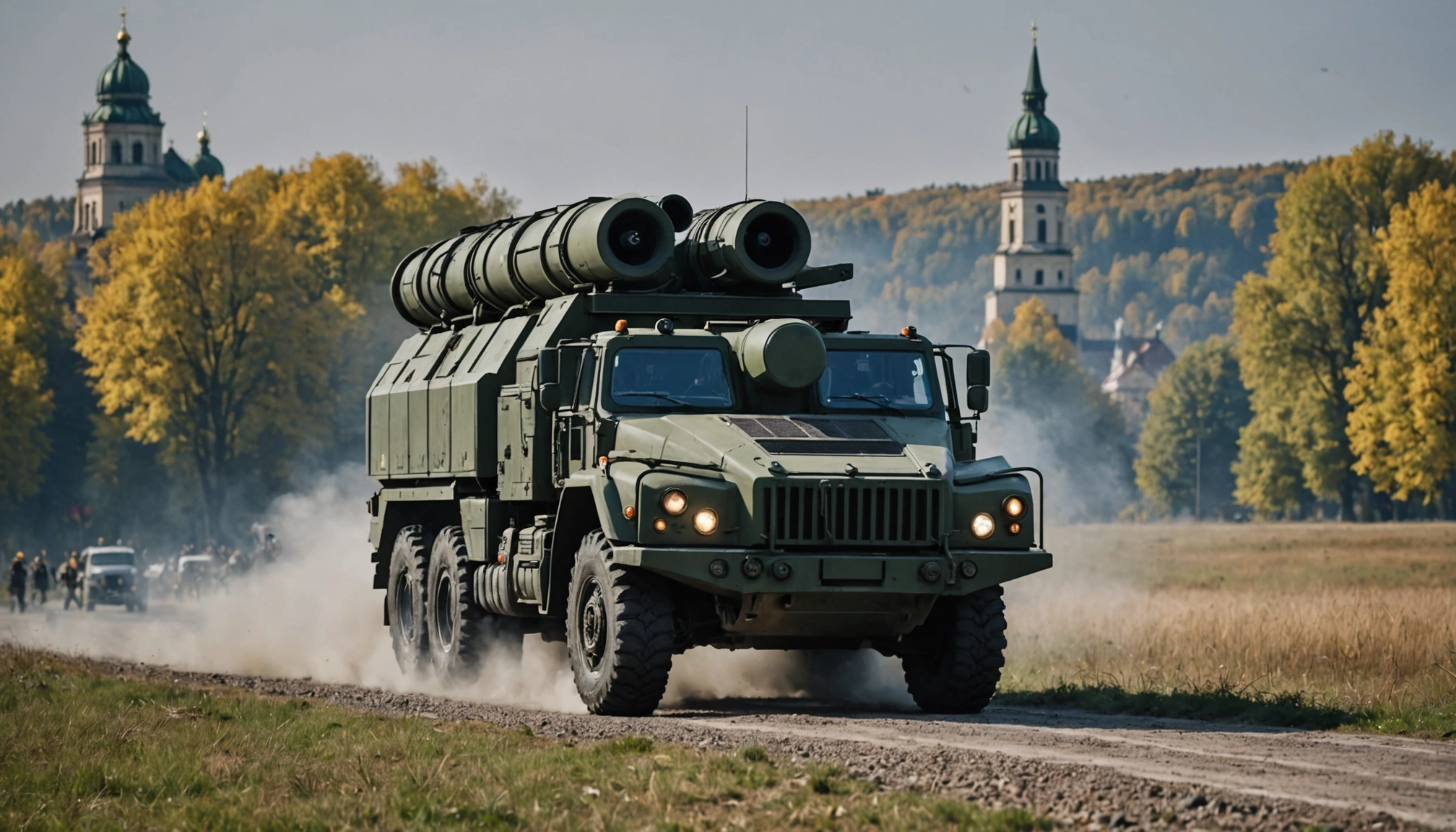
Russia views the potential deployment of Taurus missiles as a significant threat due to their range and precision. The missiles, which have a range of over 500 kilometers, are capable of striking targets deep within Russian-held territory, including critical infrastructure and military installations.
The Taurus Missile: Capabilities and Strategic Significance
The Taurus KEPD 350 is a German-Swedish air-launched cruise missile considered one of the most modern weapons in the German arsenal. It is designed to penetrate heavily fortified targets, such as bunkers, and features stealth technology that makes it difficult to detect and intercept. Weighing approximately 1,400 kilograms and measuring 5.1 meters in length, the missile can travel at high subsonic speeds, typically around Mach 0.8, while maintaining a low-altitude flight profile.
Military analysts suggest that Ukraine's acquisition of Taurus missiles would significantly enhance its ability to conduct deep-strike operations against Russian forces. Potential targets include command posts, ammunition depots, and logistics networks in eastern Ukraine and Crimea. The missiles could also be used to neutralize Russian air defense systems, potentially creating safer corridors for Ukrainian aircraft.
German Public Opinion and Political Divisions
While Merz has expressed support for supplying Taurus missiles to Ukraine, public opinion in Germany remains divided. A November 2024 poll indicated that 61% of German citizens oppose providing Ukraine with the missiles, with opposition being more pronounced in eastern Germany (76%) compared to western Germany (56%).
Within the German government, there are also differing views on the matter. German Defense Minister Boris Pistorius has expressed skepticism about supplying Ukraine with Taurus missiles, citing "strong arguments against it," though he acknowledged that there are also "strong arguments in favor." This divergence of opinion highlights the political challenges facing Germany as it navigates its role in the Ukraine conflict.
International Perspectives and Support
The United Kingdom has signaled its support for a potential German decision to supply Taurus missiles to Ukraine. This backing could serve as an additional signal of support for the incoming Chancellor Merz and potentially influence the ongoing discussions within Germany.
Other European countries, including France, have already provided Ukraine with cruise missiles, such as the SCALP, while the United States has supplied ATACMS. Both Washington and London have permitted Kyiv to use these systems to strike targets within Russian-occupied territory, including Crimea.
Historical Context and German-Russian Relations
The debate over supplying Taurus missiles to Ukraine is unfolding against a backdrop of complex and often strained German-Russian relations. Throughout history, the relationship between the two countries has been marked by periods of both cooperation and conflict.
Since Russia's annexation of Crimea in 2014 and its subsequent support for insurgents in eastern Ukraine, relations between Germany and Russia have deteriorated significantly. Germany has been a leading voice in imposing European Union sanctions against Russia, while Russia has responded by cutting food imports from the EU.
The full-scale invasion of Ukraine in 2022 further strained relations, leading Germany to decouple from Russian gas and oil and become one of the largest providers of military aid to Ukraine. A recent poll indicated that 95% of Germans disapprove of Russian President Vladimir Putin.
Implications and Potential Outcomes
The decision on whether to supply Ukraine with Taurus missiles carries significant implications for Germany, Russia, and the broader conflict. If Germany proceeds with the transfer, it could bolster Ukraine's military capabilities and potentially alter the course of the war. However, it could also trigger a more aggressive response from Russia and further escalate tensions between Moscow and Berlin.
Conversely, if Germany continues to resist supplying the missiles, it could face criticism from allies and potentially limit Ukraine's ability to strike key Russian targets. The decision will likely depend on a complex interplay of political, strategic, and domestic factors, as well as the evolving dynamics of the war in Ukraine.
Related Articles

Ratko Mladić, "Butcher of Bosnia" and Convicted War Criminal, Dies at 84
THE HAGUE, Netherlands – Ratko Mladić, the former Bosnian Serb military commander known as the "Butcher of Bosnia" and convicted of genocide, war crimes, and crimes against humanity, has died at the age of 84. Serbian...


Long-Awaited 9/11 Mastermind Trial Set for 2028, Decades After Attacks
GUANTANAMO BAY, Cuba – Nearly a quarter-century after the devastating terror attacks of September 11, 2001, a military judge has finally set a trial date for Khalid Sheikh Mohammed, the alleged mastermind behind the...